Nobuo Uematsu on why the FF7 soundtrack is intentionally boring
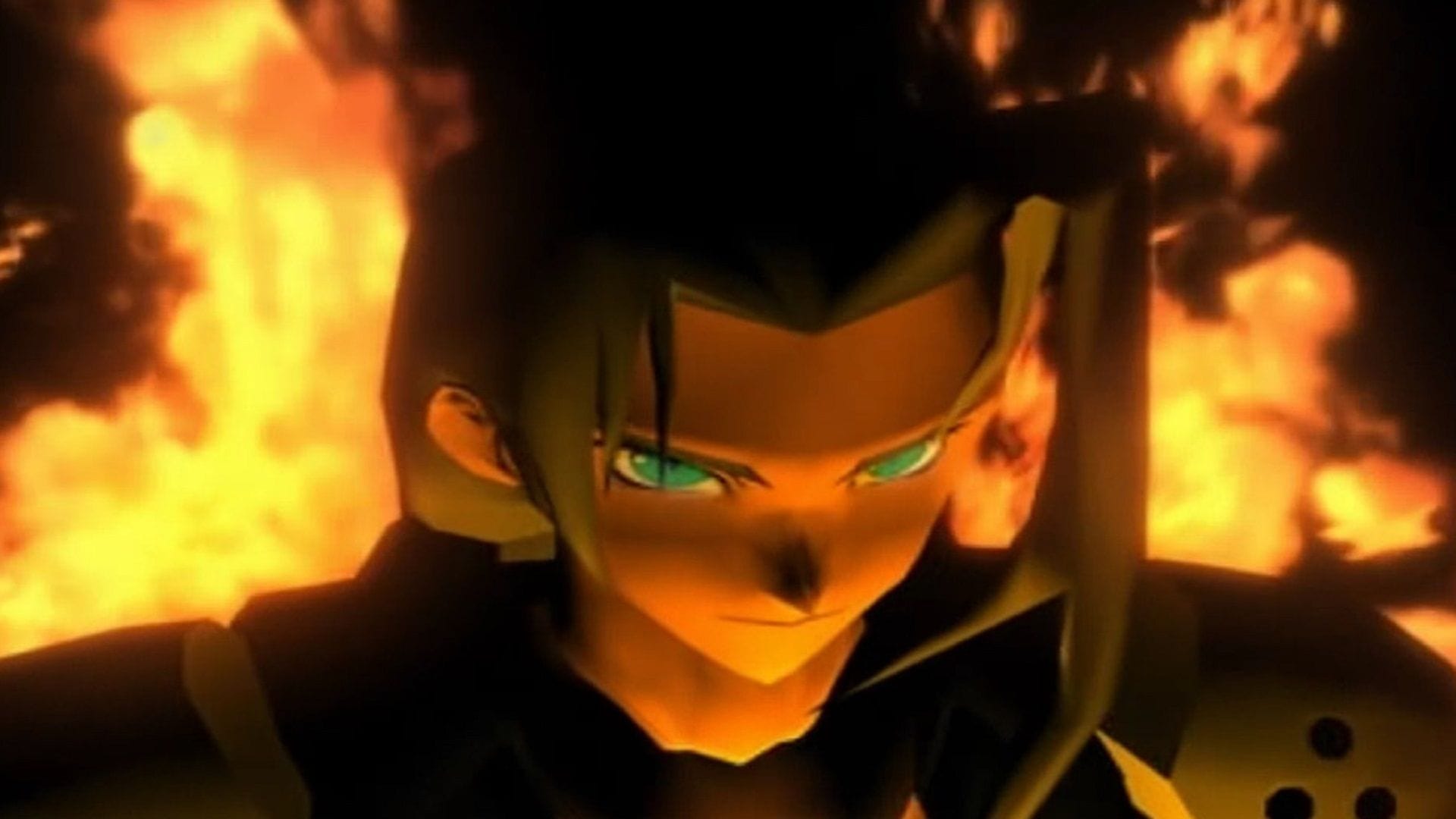
When we talk about the legendary Final Fantasy franchise, the soundtrack is often as iconic as the adventures themselves. But within the realm of gaming music, two titles consistently stand out as titans: Final Fantasy 7 and Final Fantasy 10. These two scores are often placed in a fierce musical rivalry, and the heavyweight composer, Nobuo Uematsu, has weighed in on the matter with a strong, if slightly contentious, opinion.
Uematsu, the musical architect behind Square Enix’s celebrated properties, doesn’t mince words when discussing the score for Final Fantasy 7. He argues that while songs like One-Winged Angel remain fan favorites, the overall musical experience of the original game is diminished compared to his earlier work.
His reasoning centers on the shift in design philosophy. Uematsu suggests that in earlier titles, the music played an active role in advancing the narrative. However, by the time of Final Fantasy 7, the visual presentation had matured significantly. He notes that when the visuals became so convincing, the music needed to step back and allow the story to take center stage.
For Uematsu, the challenge became finding a balance. He believes that if a melody is too demanding or catchy, it risks distracting the player from the gameplay and the story. Therefore, he consciously aimed for a soundscape that sits comfortably in the background—a strength rather than a weakness.
This approach is beautifully exemplified in tracks like Mako Reactor. This piece is foreboding and broody, perfectly amplifying the mood of observing Shinra’s technological grip on the world. Yet, its cyclical melody maintains an ambient quality, offering enough atmosphere to absorb, without demanding the player’s entire focus.
The evolution of Uematsu’s sound is a fascinating journey. His work across titles like Final Fantasy 8 and 9 became more orchestral and dynamic, benefiting from the expanded capabilities of the PlayStation sound team. Despite this evolution toward grander, dynamic scores, Uematsu maintains that the synth-heavy flavor of the 1997 classic still possesses a unique charm.
Ultimately, it seems the difference in perspective comes down to how we view artistic choices. Whether the music is meant to impose on the experience or serve it, Uematsu acknowledges that there is no single objective truth. It remains a classic case of agreeing to disagree, allowing the legacy of the Final Fantasy soundtracks to continue evolving.
Buy on Amazon
Credit
