Nolan changed The Odyssey ending from the grim poem
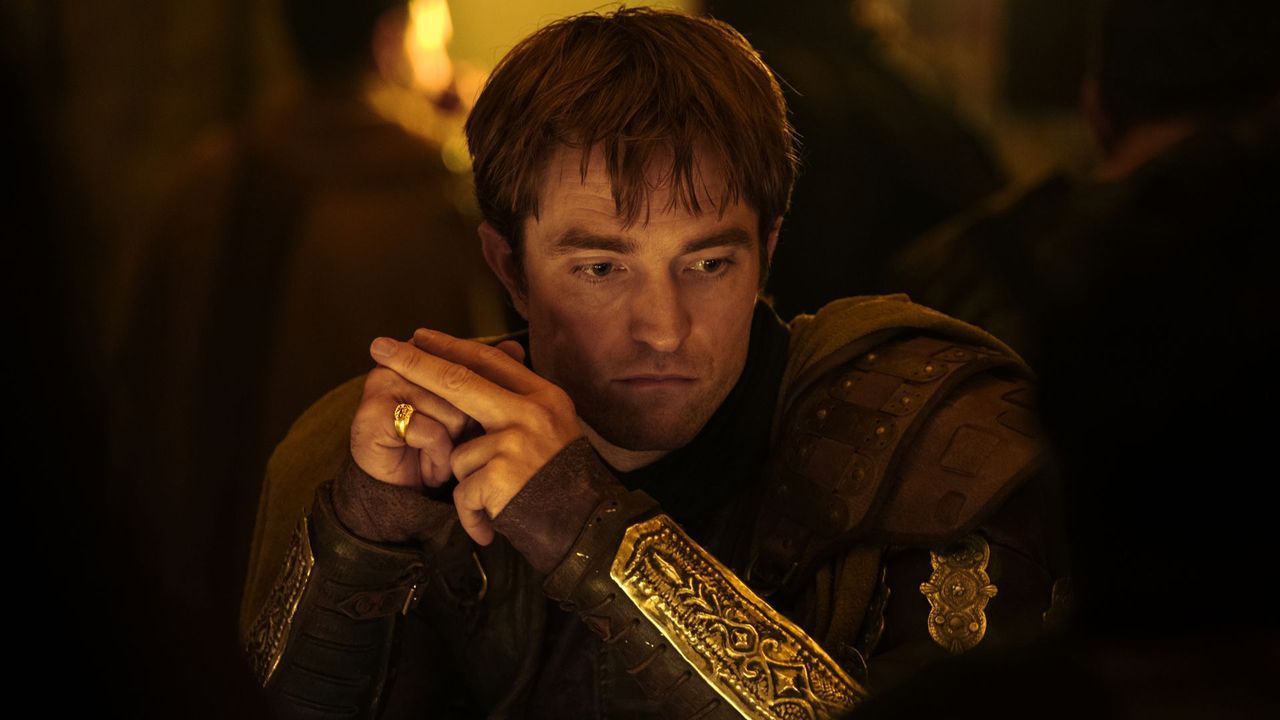
When you tackle a timeless epic like Homer’s The Odyssey, you inevitably run into the question of adaptation: how do you honor the source material while making it relevant for today? Director Christopher Nolan didn’t just tell a story; he performed a fascinating act of literary revision, demonstrating how artistic vision can reshape ancient narratives.
In his cinematic journey, Nolan made a key decision regarding the film’s conclusion. Where the original poem finds Odysseus and Penelope completing their quest and returning home, Nolan steered the narrative toward a different direction. His version sees the hero achieve his triumph and then choose to embark on a new adventure with his wife rather than settling into domestic peace.
This wasn’t merely a tweak of the plot; it was a philosophical statement. When discussing the film’s deeper themes—specifically Nolan’s exploration of “man as beast” through sequences like Circe and the sack of Troy—he felt compelled to adjust the text. He noted that the original ending, while powerful, carried elements he sought to exclude, describing it as being too grim and somewhat misogynistic.
Nolan explained that his goal was not to discard historical context entirely but to refine the narrative’s emotional landscape. He wanted to shift the focus away from certain aspects of the poem while still retaining the core commentary on how men wage war and navigate their choices.
Beyond the ending, Nolan made several other deliberate cuts and changes across the adaptation. This included reducing the time Odysseus spent with Circe, streamlining the portrayal of certain gods, and altering the shades he encountered in the underworld scene. These modifications highlight the delicate dance between faithfulness to source material and the imperative to create a unique cinematic experience.
Of course, any artistic transformation inevitably stirs conversation. When faced with public reaction regarding these alterations, Nolan remains grounded in his creative process. He suggests that discussions before the film is seen are often irrelevant because those involved haven’t yet experienced the final vision.
Ultimately, Nolan’s approach to The Odyssey is a masterclass in interpretive storytelling. It shows that even when working with established literary foundations, the filmmaker has the power to recontextualize history and force audiences to confront new, compelling perspectives.
Buy on Amazon
Credit