Nolan’s no CGI rule makes The Odyssey pig scene pure visual genius
The Practical Magic of Myth: How Christopher Nolan Built the Odyssey
When you watch a film featuring mythical creatures and epic journeys, we often assume the magic lies in advanced computer-generated imagery, or CGI. But in Christopher Nolan’s latest cinematic adventure, The Odyssey, the visual spectacle is built on something far older and more tangible: pure, masterful filmmaking technique.
Far from relying on digital trickery for its most fantastical moments, Nolan and his team chose to harness the raw power of practical effects. This commitment to real-world artistry gives the film an undeniable, tactile quality that makes every scene feel genuinely lived in. The result is a cinematic experience where illusion isn’t manufactured by a computer, but conjured through meticulous craftsmanship.
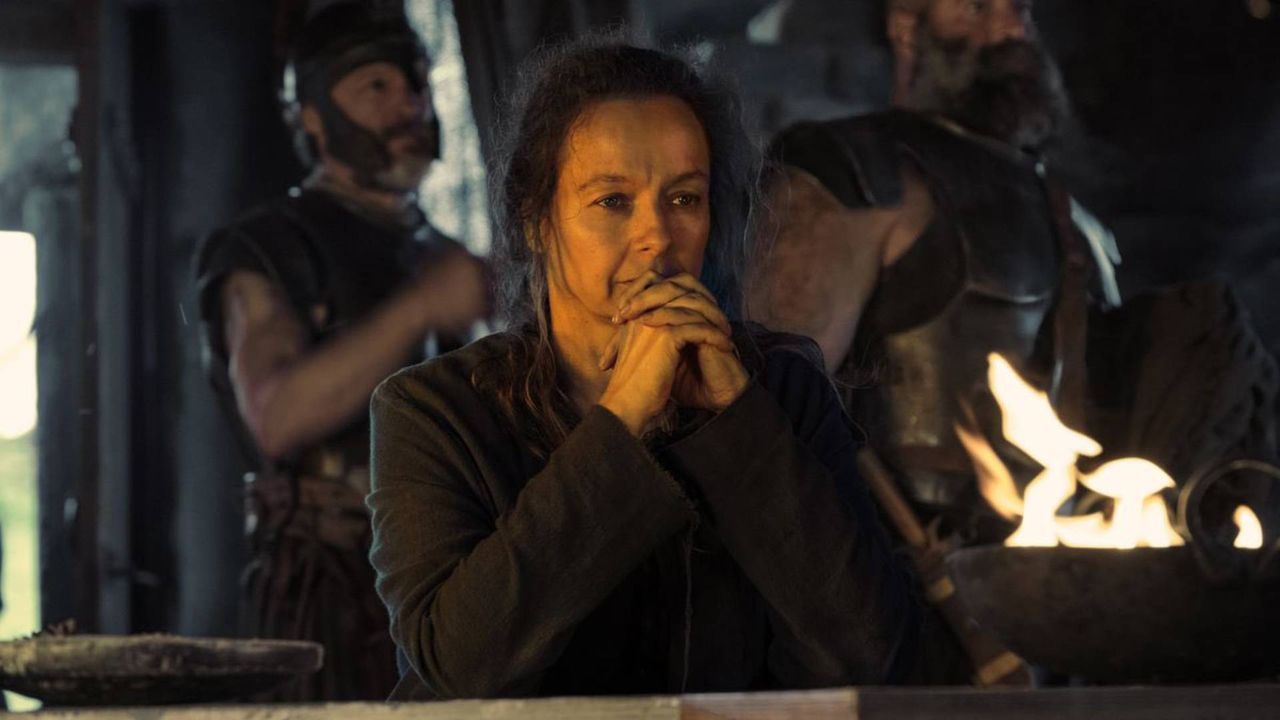
The turning point often cited is the famous encounter with the witch Circe. Instead of digital morphing, this pivotal moment was achieved through ingenious physical mechanics. The team constructed elaborate animatronics that allowed lead actress Samantha Morton to physically interact with the scene, bringing the transformation into startling reality without a single computer rendering.
“I just have to say there’s no CGI, and everything is real and in camera. That’s movie magic,” Morton shared in an interview. She reflected on the authenticity of the experience, noting that the methods used allowed for a level of realism that felt profoundly alive. This approach proves that true cinematic genius often lies in physical performance and tangible set design.
Beyond the complex sequences, the production team went to incredible lengths to realize other mythical challenges. For instance, the towering Cyclops was brought to life using a massive puppet strategically placed within a real cave in Greece. Even the epic battles with the Laestrygonians were choreographed not through digital effects, but through clever use of force perspective and stunt performers positioned at dramatically opposite heights.
The setting itself was integral to the story. The production took place over 91 days on location across six countries, including Morocco and Greece, ensuring that the environments felt authentic rather than artificially constructed. This effort extended to the set design; Morton recalled being stunned by how real Circe’s house looked when she first arrived on set, noting that it felt like a genuine building.
By prioritizing practical staging and physical manipulation over digital enhancements, The Odyssey demonstrates that the most powerful movie magic is often found in tangible reality. It’s a refreshing reminder that sometimes, the best visual spectacle comes from skillful hands and breathtaking physical ingenuity.
Buy on Amazon
Credit