Nvidia RTX 50-Series GPU Delay Cost of 3GB Memory Modules
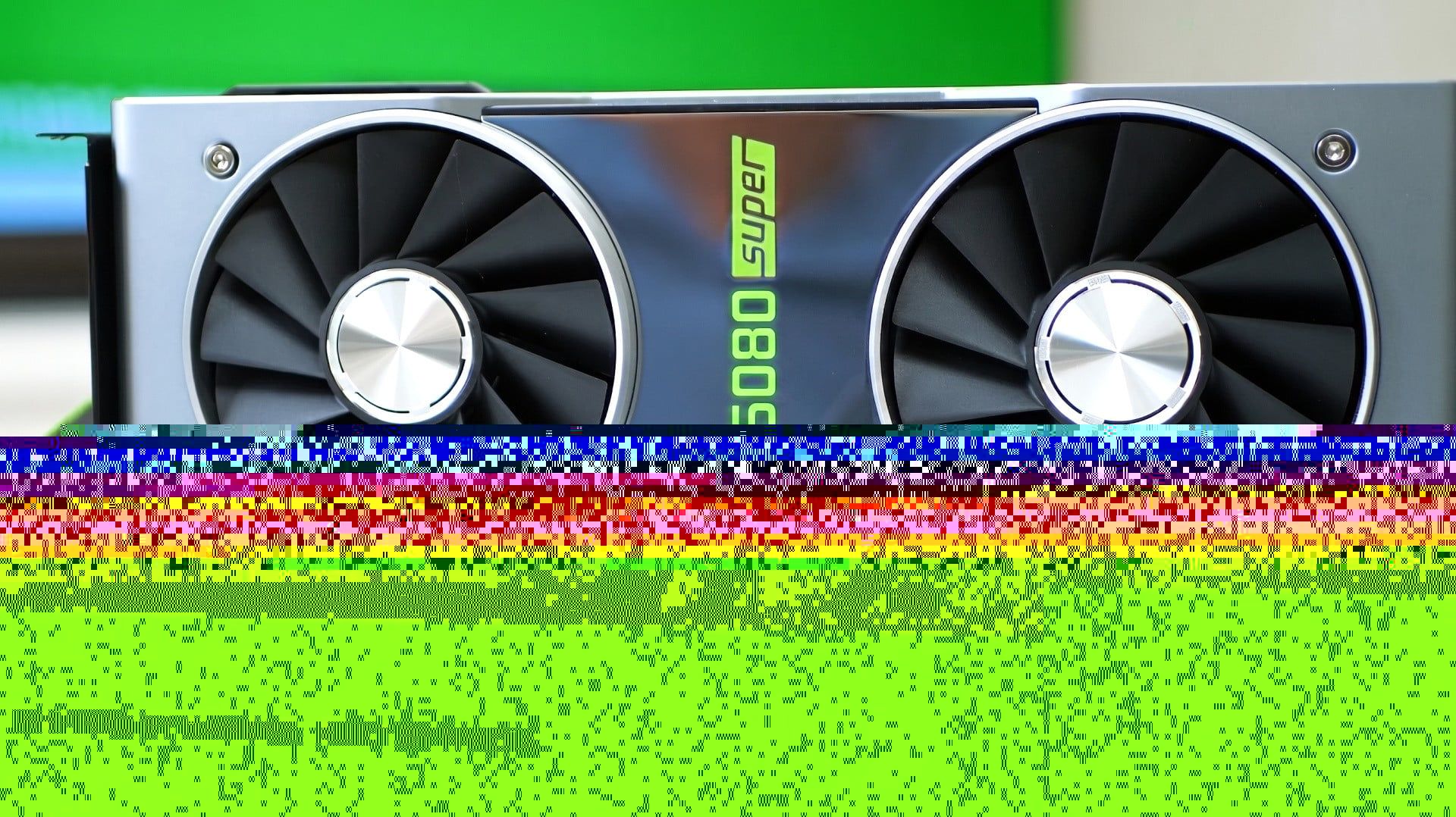
The anticipation for the next generation of Nvidia graphics cards has reached fever pitch, but as the industry gears up for the launch of the RTX 50-series Super cards, a major pause has entered the production pipeline. While hardware manufacturers were ready to move, Nvidia has reportedly placed the launch on hold, creating a fascinating story about the economics of cutting-edge technology.
The groundwork for this new lineup was already being laid among industry partners. Power supply makers, such as Seasonic, were among the first to start factoring in these anticipated graphics cards, adding entries for the RTX 50-series Super models to their system power calculators. This activity signaled a clear expectation that the next generation would push the boundaries of performance and power consumption.
But the excitement stalled when the focus shifted from potential performance to practical pricing. The core obstacle to the launch involves the highly specialized memory modules required for these upgraded cards. These Super GPUs utilize 3GB GDDR7 memory, a high-performance component that has proven to be notoriously expensive.
This cost issue is the hinge point of the delay. The financial hurdle posed by the pricing of the 3GB GDDR7 modules is significant enough that Nvidia has opted to wait, ensuring the final products offer the best possible value without compromising the high-end experience that enthusiasts demand.
What does this mean for gamers and professionals? The Super variants are designed to offer a substantial leap in VRAM capacity. This isn’t just a minor bump; it’s a serious upgrade to handle increasingly demanding workloads.
For instance, the RTX 5070 tier sees an increase from 12GB of memory up to 18GB, offering more headroom for intensive texture and asset loading. Similarly, the higher-end cards, like the RTX 5070 Ti and RTX 5080, are upgraded from 16GB to a robust 24GB capacity.
Essentially, the Super designation isn’t just a marketing term; it represents a tangible increase in computational muscle. By incorporating more high-speed memory, these cards promise a smoother, more capable experience for those pushing the limits of modern gaming and professional rendering.
The wait is on, but by pausing the launch, Nvidia has highlighted a critical reality in the tech world: even the most exciting innovations must navigate the tricky landscape of manufacturing costs. The industry is now watching closely to see how this pricing challenge resolves, determining when the RTX 50-series Super cards will finally arrive.
Buy on Amazon
Credit