Ocarina of Time Remake: More Than Just Nostalgia
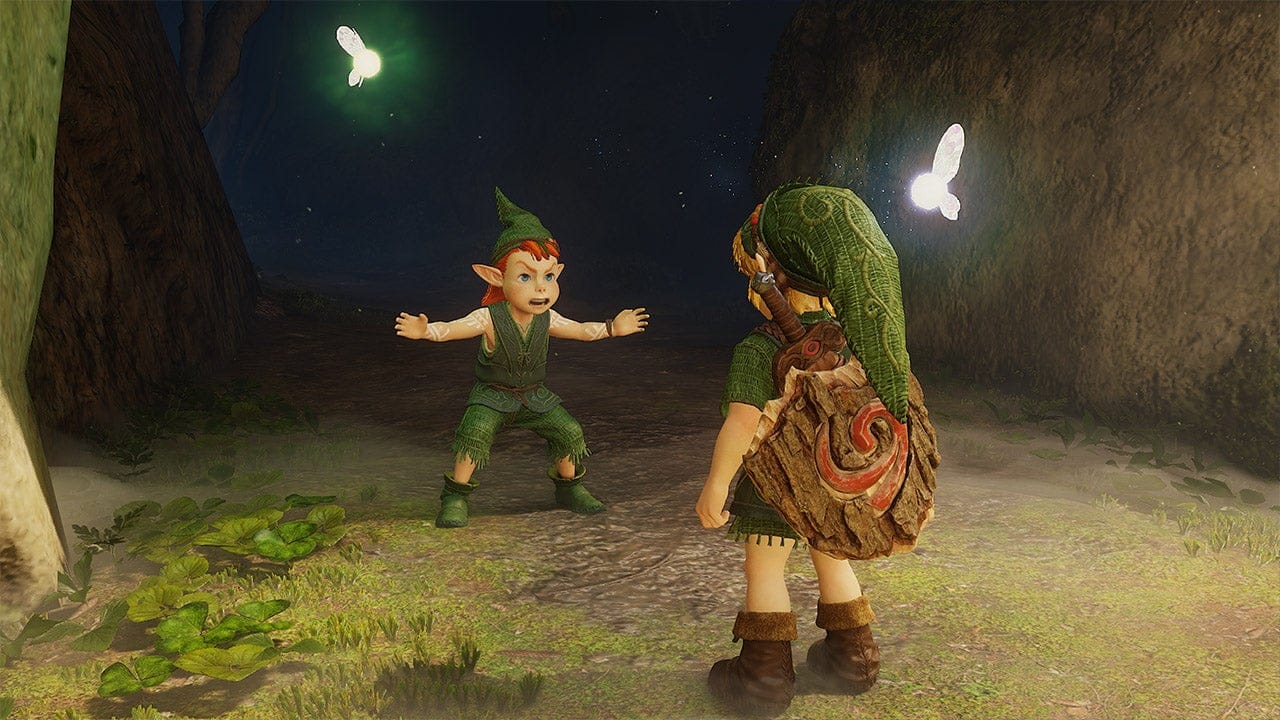
Some games don’t just occupy a shelf; they sit as foundational pillars of an entire industry. The Legend of Zelda: Ocarina of Time is one such artifact—a shimmering piece of digital archaeology that spans fifty years, proving that a single adventure can shape the very grammar of video game design.
While the magic of witnessing a landmark moment firsthand is irreplaceable, the enduring cultural impact of masterpieces like Ocarina of Time is amplified through preservation, remasters, and remakes. These efforts allow new generations to uncover treasures that have subtly but profoundly shaped everything that followed.
Even a brief exploration of the original provides a fascinating glimpse into a world that laid groundwork for countless innovations. The structure of the Forest Temple, for example, isn’t merely a maze; it’s a masterclass in environmental puzzle design. Navigating the corridors and uncovering hidden secrets required players to think creatively about spatial manipulation, laying essential groundwork for how developers would later construct explorable open worlds.
The core design philosophy of Ocarina of Time—where objectives are hinted at through cleverly placed clues rather than blatant hand-holding—is a testament to ingenious design. This principle, where players must deduce the path rather than simply follow a line, echoes through the history of adventure gaming and continues to influence modern design paradigms.
This inventive approach extended far beyond simple exploration. The combat mechanics within the temple, with its dynamic reaction system, introduced concepts that would later influence complex brawls in titles like Batman Arkham, establishing a rhythm where enemies reacted to player actions, demanding strategic timing and response.
Furthermore, the architectural ingenuity of the temple conjures comparisons to later masterworks of level design, like the looping, interconnected structures found in Dark Souls. The necessity of finding specific routes, often leading back to a central chamber where solutions must be assembled, perfectly illustrates how environmental puzzles can be woven into the narrative fabric of an experience.
Nintendo’s innovation in game design is perhaps best exemplified by its role as a lending library for design ideas. As one industry figure noted, the principles embedded in titles like Zelda were a source for many subsequent developers, demonstrating that the core ideas forged in the 90s still resonate deeply today.
Even seemingly simple mechanics, such as the introduction of the jump button in the remake, demonstrate a willingness to evolve. This decision reflects a broader trend in gaming, moving toward action-oriented experiences, while maintaining the thoughtful puzzle elements that made the original so enduring. The result is a modern interpretation that feels fresh and magically realized.
From the intricate geometry of the temple to the fundamental rules of engagement, Ocarina of Time remains a powerful testament to the enduring inventiveness of Nintendo. It’s not just a nostalgic memory; it’s a vital, evolving blueprint that continues to inform and inspire the next age of interactive entertainment.
Buy on Amazon
Credit