Onimusha: The Game That Made Capcom Win
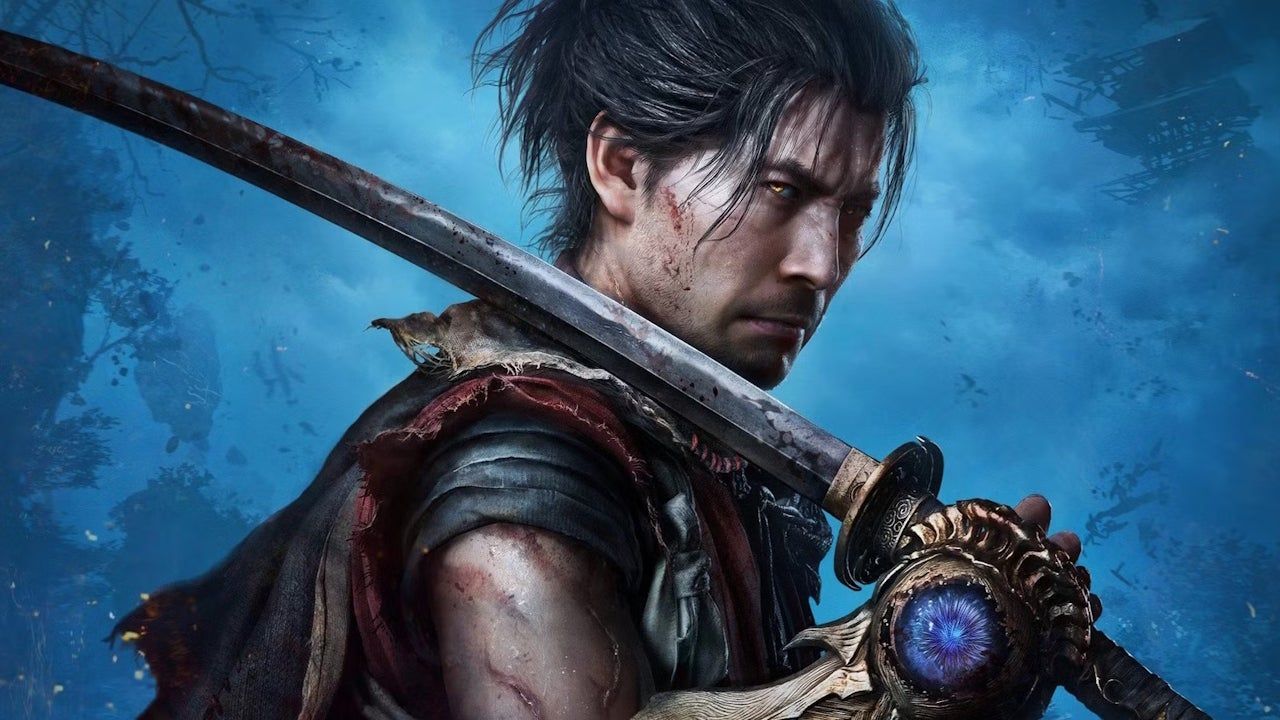
Few publishers have managed to achieve the sustained, multi-decade success that Capcom has. A decade marked by a remarkable string of hits, Capcom has mastered the art of reinvention, building a formula that continues to captivate audiences. This strategic genius is perfectly exemplified by their latest endeavor, Onimusha: Way of the Sword, a game that deftly remixes classic tropes into something thrillingly new.
The lineage of the Onimusha series, while dormant for two decades, is rich with history. The original four-part series was released during the PS2 era, and subsequent entries introduced evolving ideas—from fixed camera perspectives to the fully 3D camera introduced in Dawn of Dreams. Early entries drew heavily from the survival horror style of Resident Evil, focusing on puzzle-solving and survival within a single castle.
But Capcom has always excelled at taking established templates and transforming them. Where Resident Evil successfully pushed past the camp of its predecessors to embrace genuine horror, the newer Onimusha games charted a different course. While the original series featured campy adventure, Capcom’s adaptation of the franchise has been a deliberate choice. In the case of Way of the Sword, the tone shifts dramatically. The game embraces a deliberate, humorous flair, giving the player the opportunity to chuckle alongside the protagonist, Miyamoto Musashi, as he navigates Kyoto armed with witty one-liners.
This shift reflects Capcom’s broader understanding of the gaming landscape. Just as Monster Hunter: World took a niche concern and turned it into a massive global phenomenon by expanding its horizons without succumbing to bloat, and how Resident Evil successfully merged horror with action, Capcom has proven adept at interpreting contemporary trends for maximum impact.
In Way of the Sword, the series finds a compelling new identity, leaning more toward the epic action-adventure style of titles like God of War. The gameplay centers on furious melee combat, flashy abilities, and solving knotty environmental puzzles. Furthermore, the character design itself is expressive, modeled after legendary actors, which adds a layer of comedic charm to the grim scenarios.
However, the real innovation lies in the combat system. To truly elevate the experience, Capcom looked to masterfully integrate ideas from other influential titles, most notably Sekiro: Shadows Die Twice. The game’s bosses demand a new approach to swordplay, requiring players to master parrying and rhythmic attacks to manage stamina and inflict damage precisely. This approach introduces a delicate balance of offense and defense, transforming the battle against monstrous foes into a highly engaging, demanding dance.
While the new combat mechanics borrow heavily from the soulslike genre’s focus on tactical engagement, the game consciously avoids adopting the full framework of titles like Sekiro: Shadows Die Twice. The absence of typical soulslike elements like world resets or extensive loss of resources ensures that while the bosses offer immense challenge, the experience remains accessible and focused on fluid action rather than punishing repetition.
Ultimately, Onimusha: Way of the Sword stands as a testament to Capcom’s enduring ability to adapt. It successfully marries the deep-rooted survival tension of its heritage with dynamic, modern action-adventure gameplay, cementing the company’s formula as one of the most successful and adaptable in the industry.
Buy on Amazon
Credit