Owlcat aims to top Warhammer and Pathfinder with 600 fans
Owlcat began its journey as a small development team, building a reputation in the deep waters of complex role-playing games. What started with a core group of fifteen developers quickly evolved into a powerhouse studio, demonstrating that passion, combined with ambitious vision, can reshape the landscape of gaming.
The foundation was laid with the Pathfinder series. Their first entry, Pathfinder: Kingmaker in 2018, proved their mettle, setting the stage for the next evolution: Pathfinder: Wrath of the Righteous in 2021. These titles established Owlcat’s knack for crafting deep, consequence-driven experiences, proving they could deliver massive scope and compelling narrative depth.
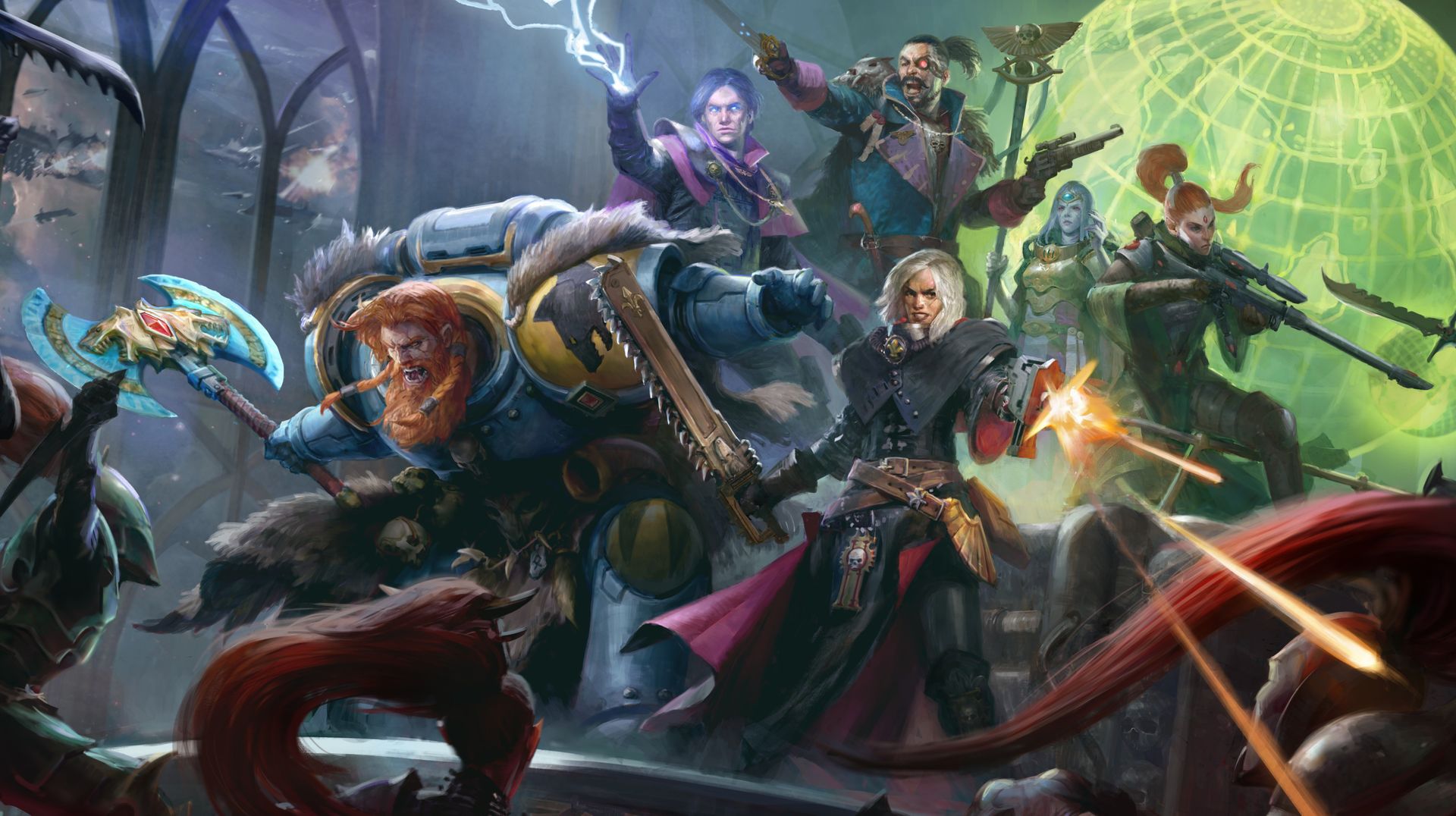
But the true inflection point came with their foray into a massively popular universe. In 2023, Owlcat took a bold leap by developing Warhammer 40,000: Rogue Trader. This game captivated audiences, setting the studio on the map and forging crucial relationships within the Games Workshop community. It demonstrated that Owlcat could handle epic lore and deliver an experience that felt as meaty and engaging as any other title in the genre.
This success spurred immense growth. What began with a dedicated group quickly expanded into a sprawling 600-person development studio, all while co-founder and creative director Alexander Mishulin insisted that their core passion for creating punchy RPGs remained utterly intact throughout this exponential expansion.
With this momentum, Owlcat is currently navigating two distinct paths. On one front, they continue the deep cRPG tradition with Warhammer 40,000: Dark Heresy, continuing to explore complex narrative systems rooted in the grim darkness of the far future. On the other hand, they are exploring a significant departure with The Expanse: Osiris Reborn. This project shifts the studio toward third-person action RPGs, blending familiar mechanics with the cinematic flair inspired by franchises like Mass Effect.
The choice to pursue such diverse projects highlights Owlcat’s commitment to innovation. They are not content to remake what they are great at; instead, they embrace risk, seeking new perspectives. This is evident in their meticulous approach to world-building, whether exploring the space magic of Warhammer 40,000 or grappling with the complex physics of interstellar travel in The Expanse.
The studio’s ability to handle intricate details—whether explaining zero-gravity movement or ensuring Belter Creole sounds authentic—demonstrates an exceptional commitment to immersion. They thrive on making the impossible feel plausible, whether it is navigating a chaotic sci-fi setting or grappling with complex physical realities.
Owlcat has successfully shown that success in gaming isn’t just about hitting sales targets; it’s about creating experiences that invite comparison and spark curiosity. By aiming for fresh, cinematic adventures that push the boundaries of what an RPG can be, the studio is positioned to continue experimenting, perhaps even hinting at future grand strategy ambitions.
Buy on Amazon
Credit