Palworld lead calls Steam Next Fest a gamble still worth taking
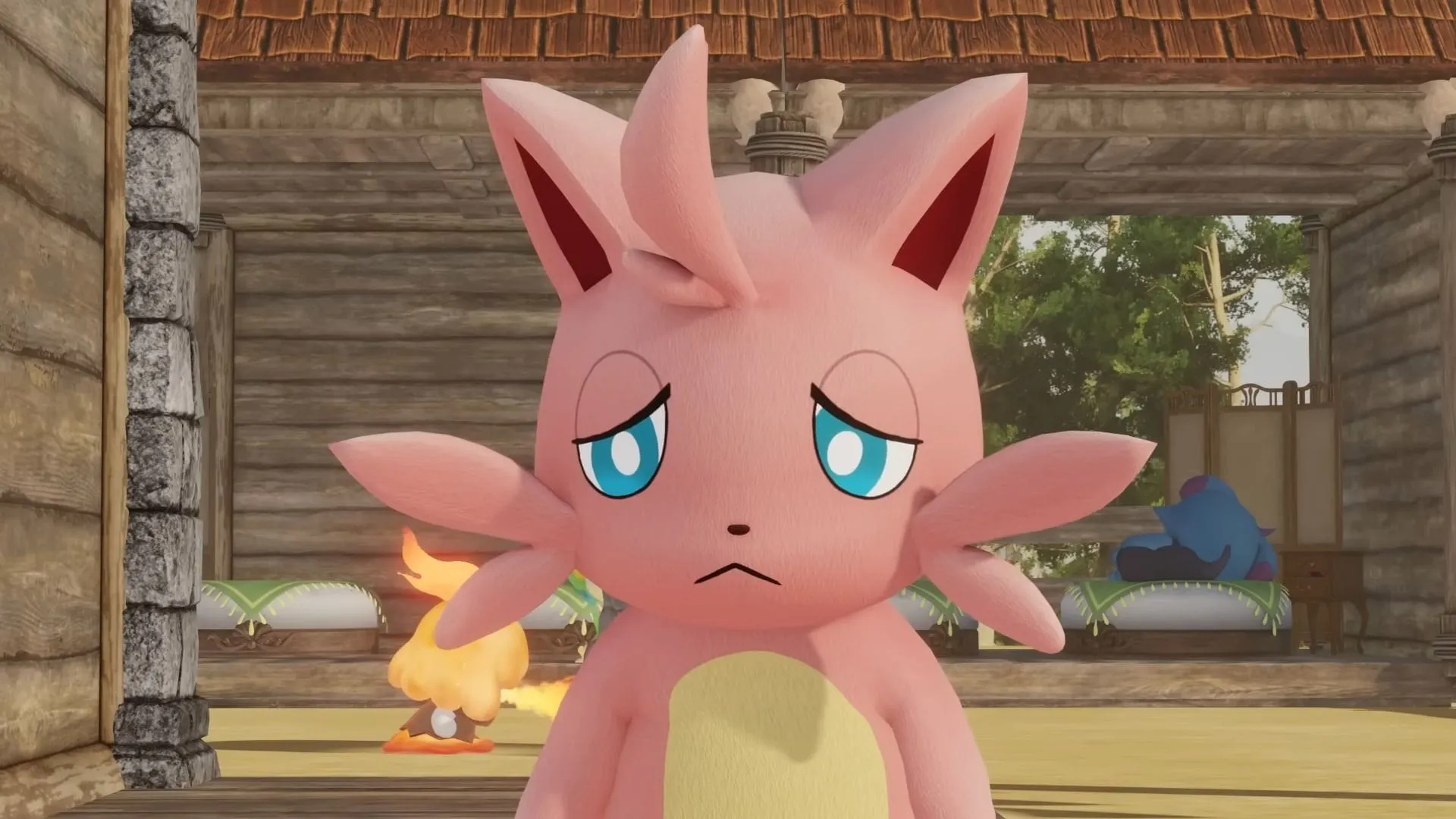
As the fall begins, the digital world of game promotion is buzzing around Steam Next Fest, a massive event designed to showcase new and exciting titles. But this year, the conversation has taken a sharp turn. With a flood of games incorporating artificial intelligence, questions are swirling about whether Next Fest is still serving its original purpose—or if it has become just another echo chamber for the industry’s latest trends.
One of the lead developers grappling with this shift has weighed in on the reality of the platform, offering a candid perspective on what this ecosystem truly offers to creators. John Buckley, head of publishing and communications at the Palworld studio Pocketpair, points out that the sheer volume of AI-assisted releases has raised legitimate concerns about the event’s promotional effectiveness.
Buckley notes that history shows Next Fest has often struggled to focus attention. Even before the rise of generative AI, the festival typically settled into a rhythm where discourse revolved around a narrow selection of games. He suggests that the platform’s power has always been in finding genuine quality—the idea that the cream rises to the top.
In the past, Next Fest was a niche event. Players weren’t just browsing; they were active participants, using the demos to provide vital feedback, report bugs, and hunt for hidden gems. It was an open-forum early access where players actively contributed to the development process.
Today, the landscape has changed. With a stronger influencer culture and a vastly larger player base, Next Fest has evolved into something more akin to a window shopping experience. Developers are now primarily gravitating toward the most polished and popular titles to maximize visibility. While this shift presents certain challenges, Buckley argues that the problems stem from market dynamics, not necessarily the AI technology itself.
He addresses the elephant in the room: the influx of low-effort, AI-generated content. While it is undeniable that some games flood the festival, Buckley muses that the vast majority of these titles simply fail to gain traction and wither quickly, much like the meme games and asset-flips that have long existed on Steam.
The core issue isn’t just AI slop; it’s the ongoing struggle for discoverability. The incentive to brand every disappointing result on the number of games participating in Next Fest is counterproductive. Instead of focusing on quantity, the focus should remain on the quality of the experience.
Despite the current headwinds, Buckley ends with a powerful message of encouragement. He reminds the community that Next Fest has always been a gamble, and it remains a gamble worth taking. The ultimate takeaway is that the journey for a game—and for a developer—is about persistence. The festival remains a vital opportunity to test the waters and find your audience.
Buy on Amazon
Credit