Palworld on Switch 2 despite Pokémon legal battle
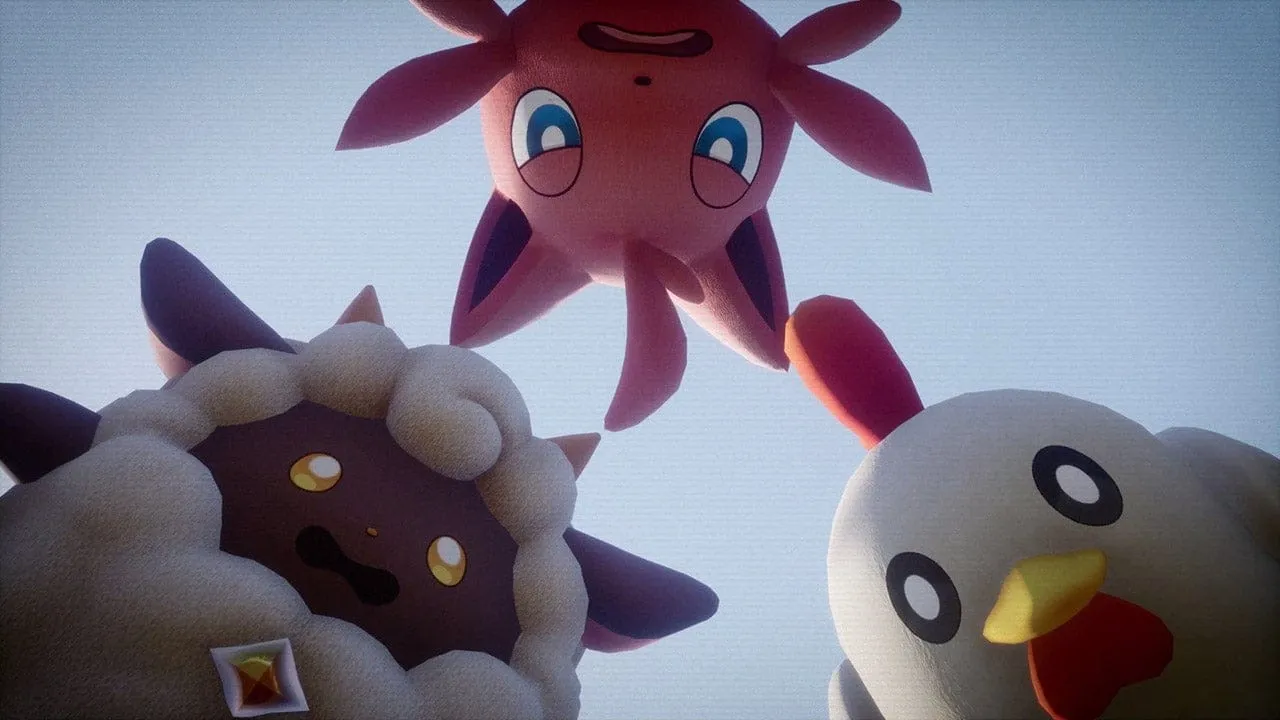
The Battle for the Bytes: How a Survival Game Is Testing the Limits of Intellectual Property
In the sprawling, often dramatic world of video game development, the lines between creative freedom and intellectual property ownership are frequently drawn in the sand. Right now, a high-stakes legal drama is unfolding between gaming giants Nintendo and The Pokémon Company, and the developer of the wildly successful creature-collecting survival game, Palworld, Pocketpair.
The dispute centers on patents related to the core mechanics of how Pokémon games function, placing the legal battle squarely in the realm of IP experts. While the technical specifics of the litigation are complex, the stakes—and the eventual payout—are telling. Experts suggest that if Nintendo were to win, the potential payout might be as modest as 30,000 dollars, underscoring the increasingly probable reality that the larger entities may not secure the victory they desire.
Despite the legal wrangling, the gaming world itself has been captivated by Palworld’s massive success. After its 1.0 release, the game exploded across platforms, eventually accumulating over 40 million players in total. This staggering figure, built on a foundation of exciting gameplay, demonstrates the immense power and reach of a game that successfully captivated a massive audience.
While the legal battles continue, the focus has occasionally shifted to the future of gaming platforms. Pocketpair’s CEO, Takuru Mizobe, has openly expressed ambitions beyond the current legal entanglement. When asked about future plans, Mizobe highlighted the immense potential of the Switch 2 platform, describing it as an amazing platform, especially for the Japanese games industry.
Mizobe expressed a clear desire to bring Palworld to the Switch platform, suggesting that if the legal cloud clears, there would be a strong desire to discuss how the game could integrate with the new hardware. This ambition puts the spotlight on whether legal proceedings will ever be a prerequisite for future platform expansion.
The legal path has seen some adjustments. Nintendo initiated patent infringement claims in September 2024, but the complaint was modified later, reflecting changes in the game’s mechanics. For instance, a key mechanic involving the ability to throw a sphere to summon a creature was removed in an early patch. This change reduced the scope of the initial claims, refining the focus of the ongoing case within the Tokyo District Court.
Despite the shifting boundaries of the lawsuit, the core conflict remains an active matter. With a preliminary view scheduled for November 9th, the world watches to see how this complex intersection of game design, patent law, and corporate ambition will ultimately resolve.
Buy on Amazon
Credit