Penguin produces Poison Ivy show outside Batman universe
The DC Universe continues its fascinating evolution, bringing both new theatrical adventures and deep dives into familiar, iconic villains. As the cinematic landscape shifts, attention is turning to exciting new standalone projects, particularly those focusing on DC’s formidable rogues gallery.
The theatrical release schedule is buzzing with anticipation, highlighted by the arrival of Clayface in theaters. This addition to the DC film slate signals that the universe is actively expanding, offering fans fresh looks at characters defined by their complexity and menace.
Simultaneously, the television landscape is set to explore new iterations of DC lore. Rumors have solidified into reality regarding the live-action Poison Ivy series, moving forward with plans for development. Showrunner Lauren LeFranc is reportedly in discussions to produce the project, promising a deep exploration of this powerful botanical villain.
Crucially, this new series is slated to be integrated directly into the DC Universe (DCU), moving it away from the previously established Elseworlds continuity associated with the Matt Reeves and The Penguin storylines. While details on the specific plot and casting remain under wraps, the move confirms Poison Ivy’s place within the wider DC tapestry.
Poison Ivy herself has a rich, complex history in the comics. She first appeared in 1966 in Batman #181 as Dr. Lillian Rose, a doctor of botany who discovered immunity to toxins. Decades later, her persona was reimagined as Dr. Pamela Isley, a Gotham City botanist who gained plant-like superpowers after experimentation.
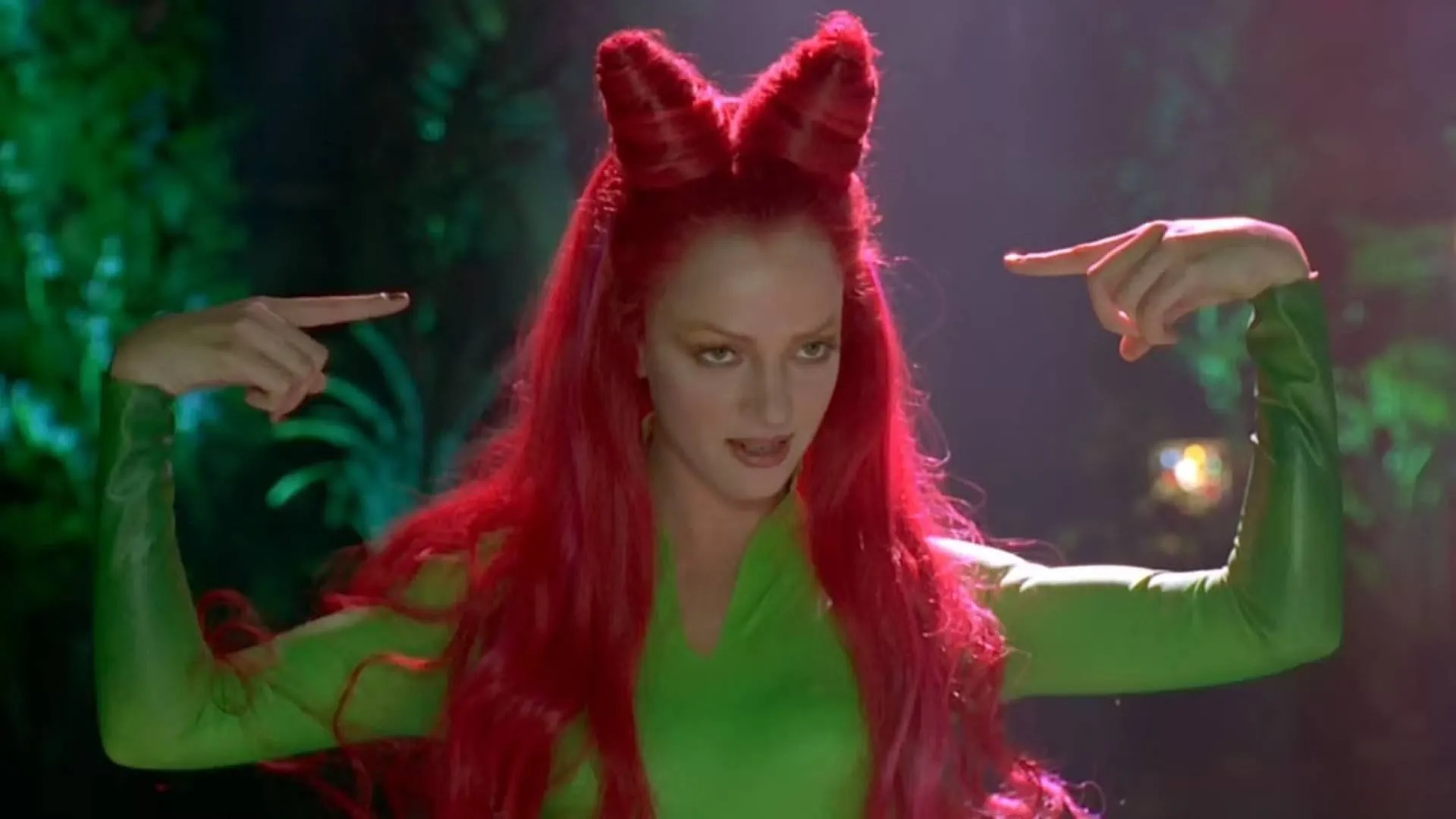
The legacy of the character is carried through several notable actresses. Uma Thurman played the iconic version in the 1997 film Batman and Robin. More recently, other talents have stepped into the role, including Bridget Regan in The CW’s Arrowverse and Payton List in the Fox TV series Gotham, ensuring the character remains vibrant and relevant across different media.
Meanwhile, the broader Batman universe continues to develop, though with a measured pace. While new theatrical ventures continue, major cinematic projects like The Batman 2 are slated for a later release in 2028, suggesting that the focus remains on building a sprawling, interconnected narrative over time.
The ongoing development of these spin-offs ensures that the depth and drama of DC’s villains continue to unfold, promising compelling new stories for audiences across film and television.
Buy on Amazon
Credit