Persona Artist rejects AI for new game amid controversy
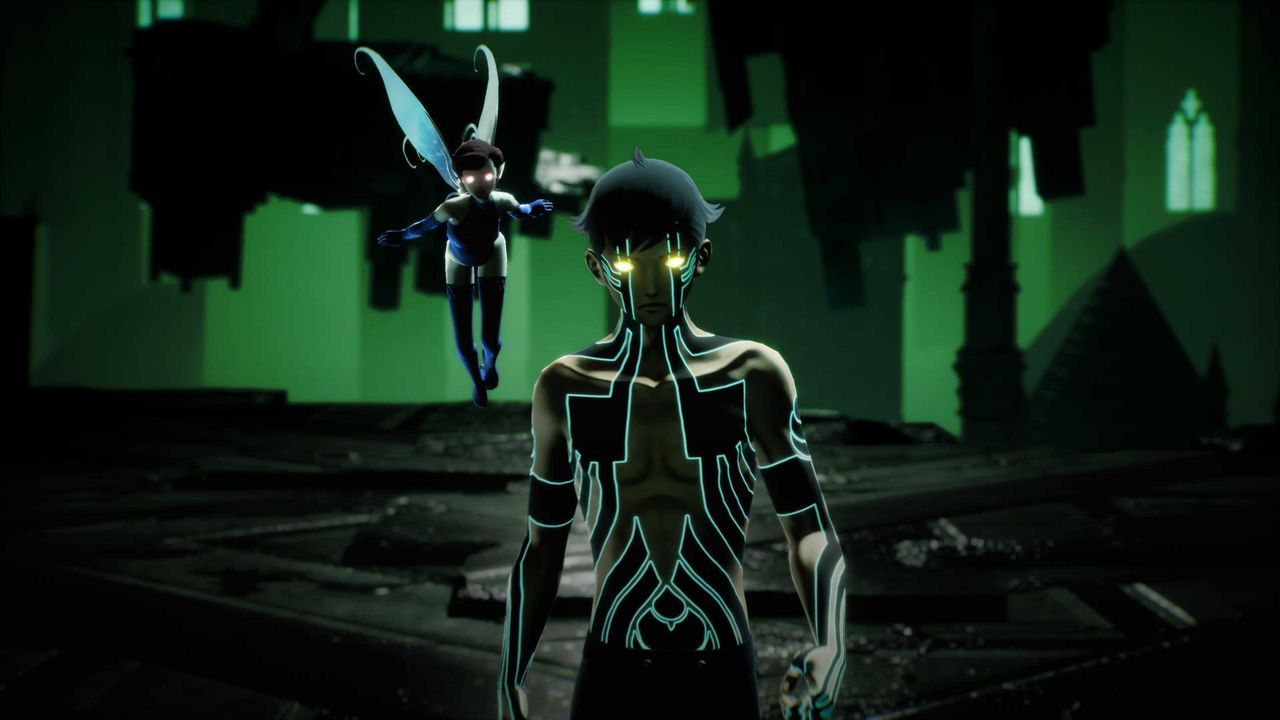
The AI Art Experiment: Persona Artist Kazuma Kaneko Steps Back from Generative Tools
Renowned artist Kazuma Kaneko, known for his distinctive style in franchises like Persona and Shin Megami Tensei, is taking a clear step back from the burgeoning world of generative artificial intelligence. After a recent foray into AI-assisted game development, Kaneko has made it clear that he will not be incorporating generative AI into his upcoming projects.
Kaneko has built a formidable reputation over decades, having collaborated with major studios like Atlus and contributing iconic designs for titles such as Devil May Cry. This extensive background lends weight to his current decisions regarding technology, especially when faced with the rapidly evolving landscape of digital creation.
The pivot toward AI emerged during Kaneko’s work with mobile game developer COLOPL. Working with the studio, he developed Tsukuyomi: The Divine Hunter, a dungeon-crawling roguelike where players battled using the heart of cards. This project introduced an intriguing element: the game utilized AI-generated artwork for its card designs.
How did this experiment unfold? Kaneko trained an AI model using new illustrations he created during his time at COLOPL. While technically innovative, the results proved far less dazzling than anticipated. The game Tsukuyomi: The Divine Hunter received a Mixed rating on Steam, with community reviews sharply reflecting the experience. Many users described the artwork as “generally quite awful,” and positive feedback noted that the AI output was simply “slop.”
Despite the technical struggles and critical reception, Kaneko shared his thoughts on the process. He admitted that while the experiment provided a quicker route for certain visual elements, he ultimately found himself preferring the traditional path. “To be honest, it’s quicker for me to draw it myself from start to finish,” he explained.
This reflective stance highlights a broader tension within the art world: even when utilizing tools that promise efficiency, the unique human touch remains paramount. Kaneko clarified his position on generative AI in a recent interview, emphasizing that although he participated in a game utilizing AI mechanics, he personally chose not to use generative tools for his own artwork.
The controversy surrounding AI art often touches upon copyright and originality. When machine models are trained on vast datasets, the resulting output can sometimes mimic existing copyrighted material, raising serious concerns about ownership and plagiarism. This issue gained further traction with Kaneko’s project, which reportedly generated images resembling popular characters from franchises like Disney’s Frozen and Superman.
Ultimately, the experience of training an AI model to replicate artistic vision served as a powerful reminder that while technology can accelerate creation, it cannot replace the unique perspective and skill of a master artist like Kaneko. For now, the path back to traditional creation remains the most compelling route for the creative mind.
Buy on Amazon
Credit