Phantom Blade Zero behind CS2 for most played on Steam
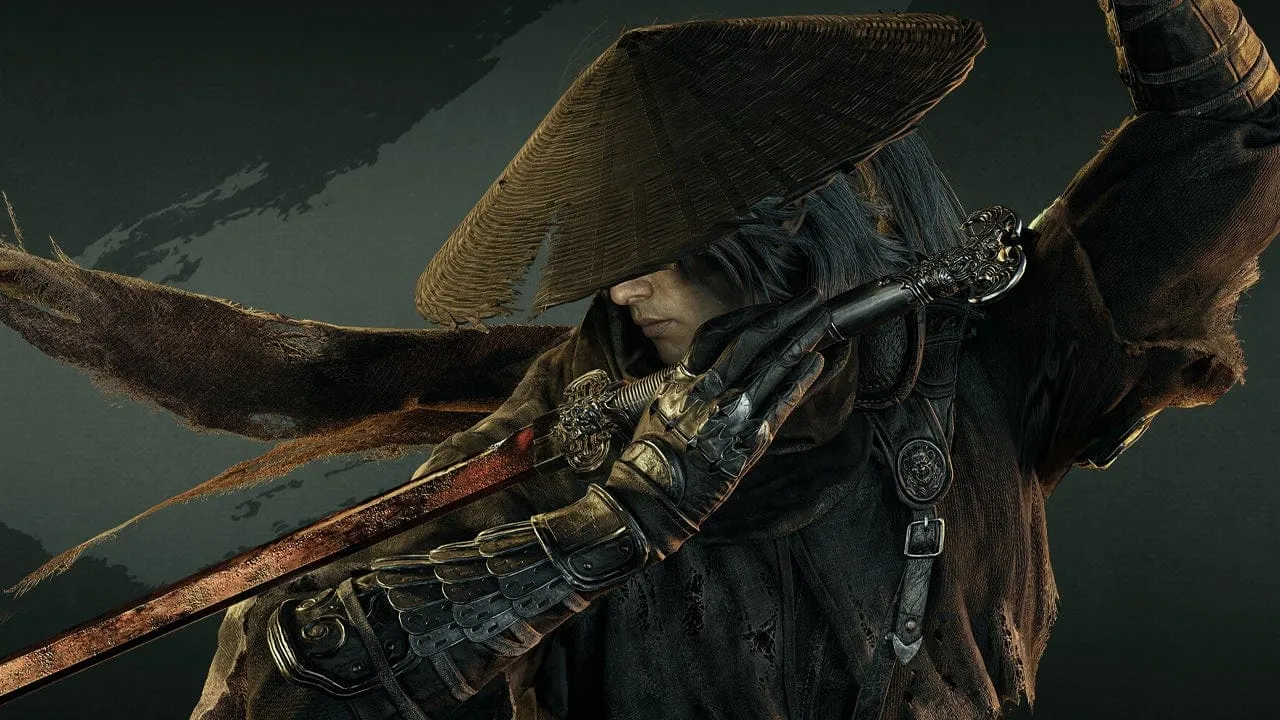
In the world of gaming, some titles don’t just make an entrance; they launch a spectacular takeover. That’s the story of Phantom Blade Zero, a wuxia action game that has exploded onto the scene, setting new benchmarks for player engagement and commercial success.
Barely a few hours after its release, the game has cemented its position as a Steam sensation, climbing the best-selling games chart. It is not just charting high; it is captivating a massive audience, boasting a peak concurrent player count of 448,000. This performance places Phantom Blade Zero ahead of behemoths like PUBG and Dota 2 in terms of concurrent players on the Steam platform, and it stands as the most-played game on Valve’s platform.
The commercial impact is even more staggering. Phantom Blade Zero has become the top-selling game on Steam by revenue, eclipsing major competitors like Activision Modern Warfare 4 and Aion 2.
This phenomenal success was built on a foundation of incredible anticipation. Before the game even launched, estimates suggested that Phantom Blade Zero had already sold over 1 million copies across launch platforms like Steam and PS5, along with Tencent’s WeGame storefront in China. Nearly two-thirds of these prelaunch sales originated from key markets including China, Taiwan, and Hong Kong, underscoring the game’s massive global appeal.
The creative force behind this triumph is the Chinese studio S-Game. The game, which features the legendary martial arts movie star Donnie Yen, was born from a personal journey. Creative director and S-Game CEO, Soulframe Liang, revealed that the concept originated from a much earlier, more casual project he created as a student using RPG Maker, known as Rainblood: Town of Death.
Liang described the path from humble beginnings to global phenomenon as a shift from comfort to obsession. “Back then, I had no idea where my life or career would lead,” he reflected. Initially, making games was a source of comfort, but it quickly became a defining force. The team faced a pivotal moment when they presented their first trailer, finding themselves judged by the world for putting an unfinished vision out for public critique.
That moment spurred an intense transformation. To push the vision forward, the team cancelled other projects and embarked on an extraordinary journey. They traveled across China to 3D scan villages, captured thousands of hours of motion capture, and sought out Shaolin temples and master sword fighters to deeply absorb the essence of martial arts.
The success of the game, however, was less about technique and more about the spirit of the team. Liang noted that as development progressed, the focus shifted from mere skill and experience to an almost obsessive mindset. “What I find myself paying more attention to now is the mindset of the people behind the game. Beyond skill and experience, is there a certain madness, a certain obsession?” he asked.
The team evolved into something akin to the characters they portrayed, fighting battles daily to achieve perfection. This process involved relentless reworking, making difficult choices, and sometimes letting go of content that had consumed enormous time and effort. Liang expressed deep gratitude for the team’s support, acknowledging that they poured all their thought and creativity into making this game a reality.
The critical acclaim followed this epic journey, with IGN awarding Phantom Blade Zero a strong 9/10 rating, praising it as “an unbelievably smooth action game filled with memorable boss fights, compelling combat, and limitless swagger.” It remains a testament to the power of passion, transformation, and a truly unforgettable adventure.
Buy on Amazon
Credit