Phantom Blade Zero fixes boss fight annoyances
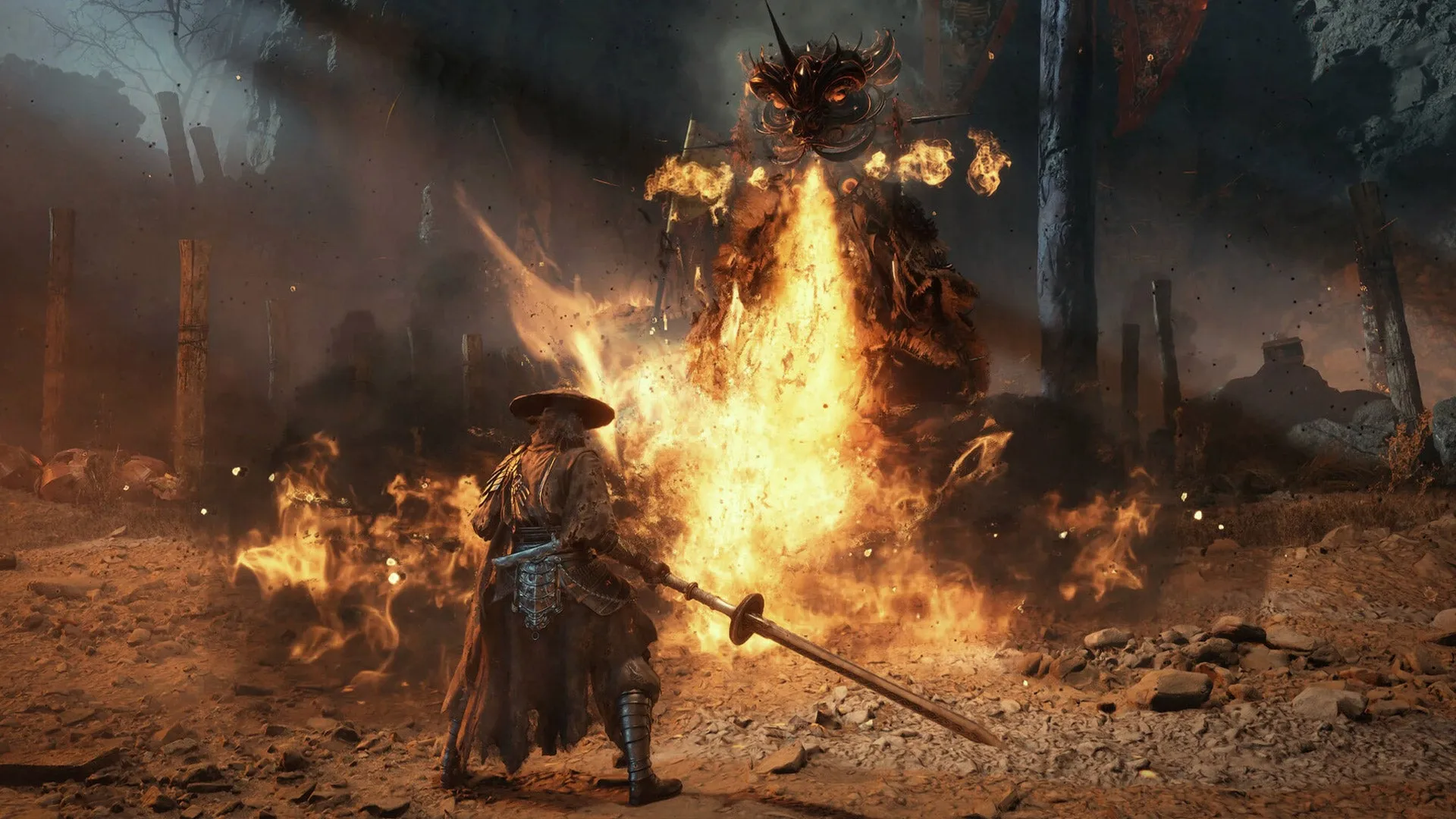
In the world of challenging action RPGs and soulslikes, players are often subjected to an irritating penalty known by a self-applied moniker: the Scrub Tax. This tax isn’t paid in gold or stamina; it’s paid in wasted time, forcing players through tedious, often unnecessary procedures just to reach the next challenge.
What exactly constitutes this tax? It can manifest in many forms—from a minute-long walk back to a boss lair, to excruciatingly long loading screens, or obligatory cutscenes that halt the flow of action. Essentially, the Scrub Tax is any intentional or unintentional procedure games force us to endure after getting ourselves killed, procedures that drain precious hours from the time we are already investing in mastering an encounter.
The real frustration emerges when this system is applied to boss battles. The most aggravating form of this tax is the complete lack of checkpoints. In many games, if a player dies, they are forced to restart the entire encounter from the very beginning. This practice ensures that players spend disproportionate amounts of time replaying the same, less exciting phases, grinding through sequences they have already mastered, just so they can enjoy a brief glimpse of the subsequent, more difficult phases.
This design philosophy often feels counterproductive. For example, players may spend half their time repeating the introductory phase of a boss fight, rather than focusing their energy on the actual combat. This practice transforms the rewarding feeling of conquering a tough foe into an exasperating Sisyphean task, turning the process of skill acquisition into an exercise in temporal frustration.
Game design should aim to enhance the player’s experience, not unnecessarily penalize them with tedious roadblocks. The notion that difficulty must be bloated by forcing players to endure repetitive, time-consuming runbacks feels artificial. When the challenge is based on the stamina required to master a sequence of blocks and dodges, the focus should remain on the intensity of the engagement, not the time spent repeating the same material.
This is where titles like Phantom Blade Zero offer a compelling counterpoint. By incorporating thoughtful checkpointing systems, the game successfully trims the fat from the process. Rather than demanding that players re-experience the initial phases, the design allows for a smoother, more fluid progression. This shift dramatically improves the overall pacing, enabling players to move swiftly through obstacles and engage with later, more brutal encounters with renewed enthusiasm.
The result is a game that elevates the core challenge. Instead of allowing repeated failure to inflict a heavy temporal toll, checkpoints liberate the gameplay. They allow developers to experiment with more brutal boss scenarios, knowing that a failed attempt will cost minimal time, thus unshackling creativity and allowing the fight itself to feel more impactful and engaging.
Ultimately, the debate over game design boils down to efficiency and satisfaction. By removing the necessity of repeating the same sequence, developers can remove a major source of player irritation, allowing the difficulty to be handled by the encounter itself, rather than by the arbitrary burden of time management. The evolution of games like Phantom Blade Zero suggests that giving players the freedom to move forward efficiently is the best way to honor the pursuit of challenging, rewarding combat.
Buy on Amazon
Credit