Play this San Andreas mission before GTA 6
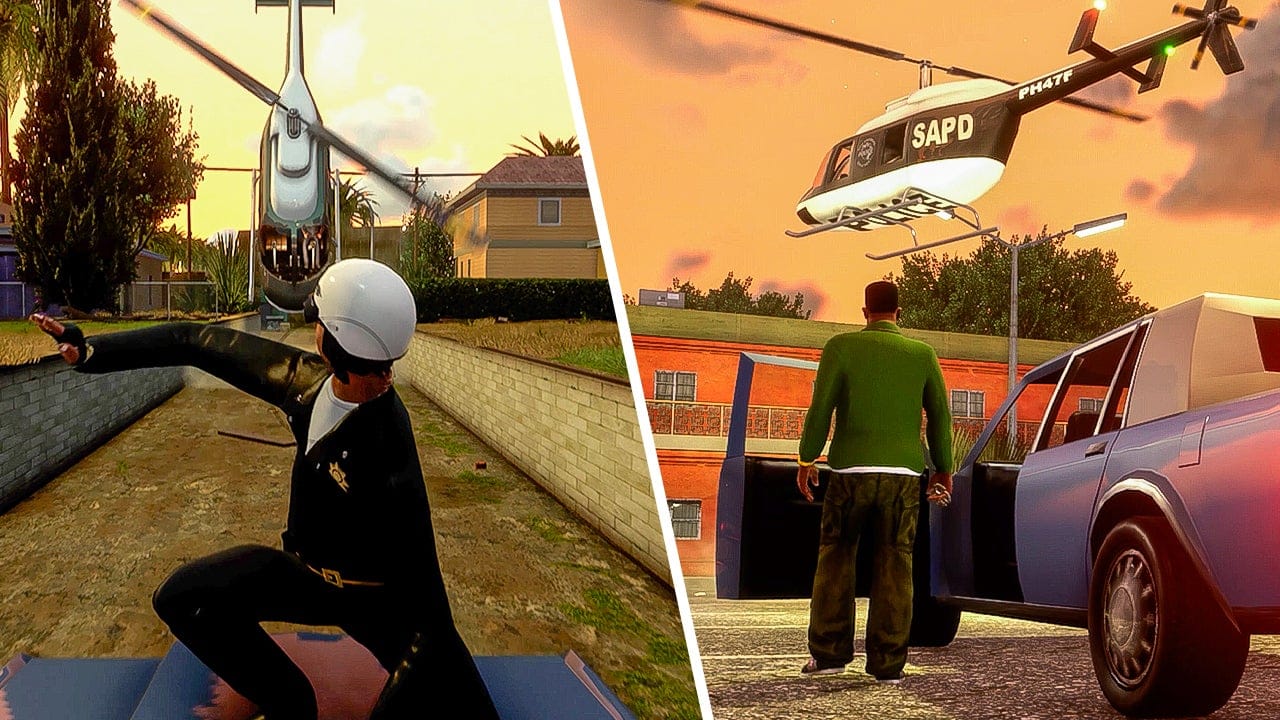
When Rockstar Games decided to bring the cinematic spectacle of crime to life on Netflix with an extended look at GTA 6, it felt less like a gameplay reveal and more like a director dropping a CGI short. The result was pure tension: compelling characters, slick action, and camera work that screamed of Michael Mann. It was a reminder that behind the sprawling digital world of Grand Theft Auto lies a deep-seated cinematic ambition.
Rockstar has always operated with a movie-maker’s eye. Their games are steeped in the language of classic crime cinema, whether it’s a love-letter to Grand Theft Auto: San Andreas or their earlier works. This cinematic flair truly exploded in 2004, where the game aimed to put the player directly into the action, designing missions that felt pulled straight from the silver screen.
In San Andreas, the developers harnessed the freedom of the open world, allowing players to cause havoc across the concrete sprawl of Los Santos. But they also mastered the art of containment. While the sprawling city allowed for limitless exploration, the truly gripping moments often occurred indoors, where the boundaries of the game tightened, transforming the environment into a meticulously crafted set for a dramatic scene.
This contrast is perhaps best exemplified by the mission Reuniting the Families. As Carl “CJ” Johnson attempts to pull together a fractured gang, the narrative is tight, authored, and intensely dramatic. This quest for family unity transitions the experience from a sandbox adventure into a high-stakes cinematic journey.
The game’s genius lies in how it manipulates space. The vastness of the open world is balanced by the claustrophobia of interior spaces. A simple motel room, suddenly, ceases to be just a building; it becomes a meticulously designed arena. In this confined setting, the game shifts from a freeform exploration experience into a focused, third-person shooter where every corridor and hallway is a crucial piece of set dressing for the action.
When CJ and his crew find themselves inside the motel, the experience transforms into a breathtaking sequence of cinematic combat. The corridors are lined with invisible trigger points, each corner and door kicking off a unique scenario. A tense standoff can instantly erupt into a building under siege, complete with gangsters lighting up troopers and officers emerging from every shadow. This tight scripting creates an atmosphere of inescapable drama, forcing the player to navigate a maze designed to mimic a real-life hostage situation.
The action itself is a masterclass in cinematic choreography. Players use the environment—laundry baskets and sofas as cover—to engage in dynamic combat, turning a generic shootout into a visceral, unforgettable ordeal. CJ, armed with an MP5, becomes the unlikely hero of a movie set in a dilapidated roadside inn. The pursuit shifts from street chases to a high-speed, fully orchestrated flight across Los Santos.
Ultimately, the brilliance of San Andreas rests on this delicate balance: melding the boundless freedom of a sprawling open world with the tight, authored structure of linear storytelling. It proves that the best interactive movies don’t just show you the action; they make you feel like the main character in a spectacular, unforgettable crime film.
Buy on Amazon
Credit
