Playing with Time Fantasy Races Beyond Elves and Goblins
In the world of high fantasy video games, we are usually presented with a familiar cast of races—elves, dwarves, and humans. But in The Blood of Dawnwalker, developer Rebel Wolves throws out the rulebook and builds a realm populated by creatures that lean far more into folklore than traditional game tropes. This isn’t just another fantasy setting; it’s a place where systemic mechanics meet deep, unexpected cultural history.
The world of Vale Sangora is anything but conventional, especially when you encounter its unique inhabitants. Forget the typical tavern encounters; this realm introduces races that challenge every assumption about what can exist in a fantasy setting. Take the Sanzhana, strange beings akin to moths spliced with small humans, sporting blue skin and fuzzy abdomens. They bring a peculiar twist to gameplay, showing a curious interest in teeth, often bartering with bandits for gnashers from corpses.
This fascination translates directly into mechanics that push the boundaries of the game’s core systems. The questline involving the Sanzhana utilizes their folklore connection to time-bending myths, allowing players to interact with time in ways that are delightfully unpredictable. This system rewards experimentation, creating a feeling that something unexpected is always lurking around the next corner, keeping secrets firmly hidden.
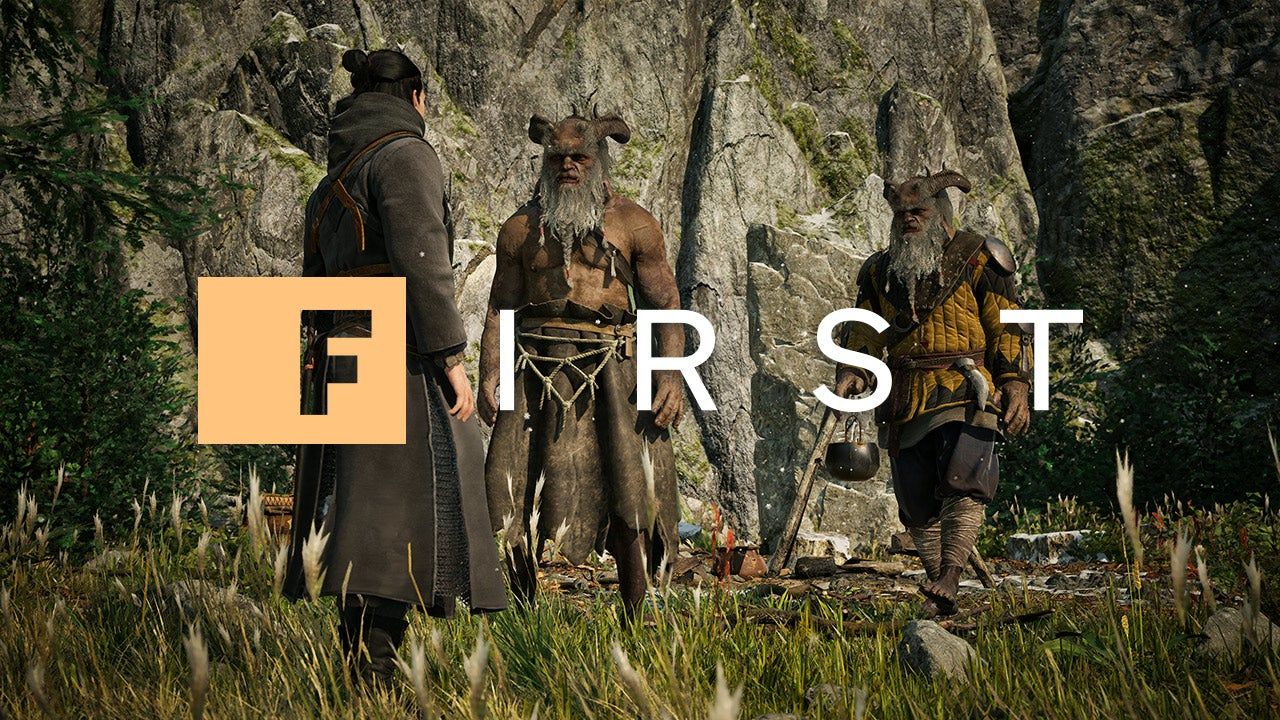
Beyond these peculiar creatures, the world holds majestic, almost mythic races like the uriashi, towering, beast-like humanoids who inhabit the inaccessible mountains. Rebel Wolves has worked meticulously to craft a distinct and believable culture for these mountain giants. Living high above the human settlements, they ensure their secrecy through natural barriers and formidable defenses, making the discovery of their hidden village an adventure in itself.
The history of the uriashi is steeped in political tension; their society is highly conservative, valuing tradition over experimentation, which naturally introduces compelling dynamics into the narrative. Their interactions with the outside world, particularly with powerful figures like the vampire lord Brencis, reveal the complex power structures governing Vale Sangora.
The world’s magic system is equally unique. It shuns the familiar elemental powers of fireballs and lightning bolts. Instead, it delves into dark voodoo arts, where power is drawn by channeling personal blood to access cosmic forces. This approach imbues all supernatural actions with a subdued, visual element, suggesting that true power in Vale Sangora lies not in flashy spells but in hidden, potent connections.
Further adding layers of complexity are the kobolds, who represent the nasty little creeps of the caves and mines. These sentient creatures are impulsive and greedy, unable to think quietly, meaning their loud, immediate demands can be used by players for advantage. Navigating these cunning, vicious beings requires quick thinking, as you never quite know if they are merely considering a plan or actively plotting one.
From time-bending entities that twist the game’s mechanics to mountain giants guarding ancient secrets and vicious subterranean dwellers, The Blood of Dawnwalker promises a journey filled with discovery. The sheer variety of cultures available ensures that every encounter is layered with unique history and unexpected interaction, making the world feel vast, vibrant, and truly ready for exploration.
Buy on Amazon
Credit