PlayStation sells VR patents to Meta after stock shortages
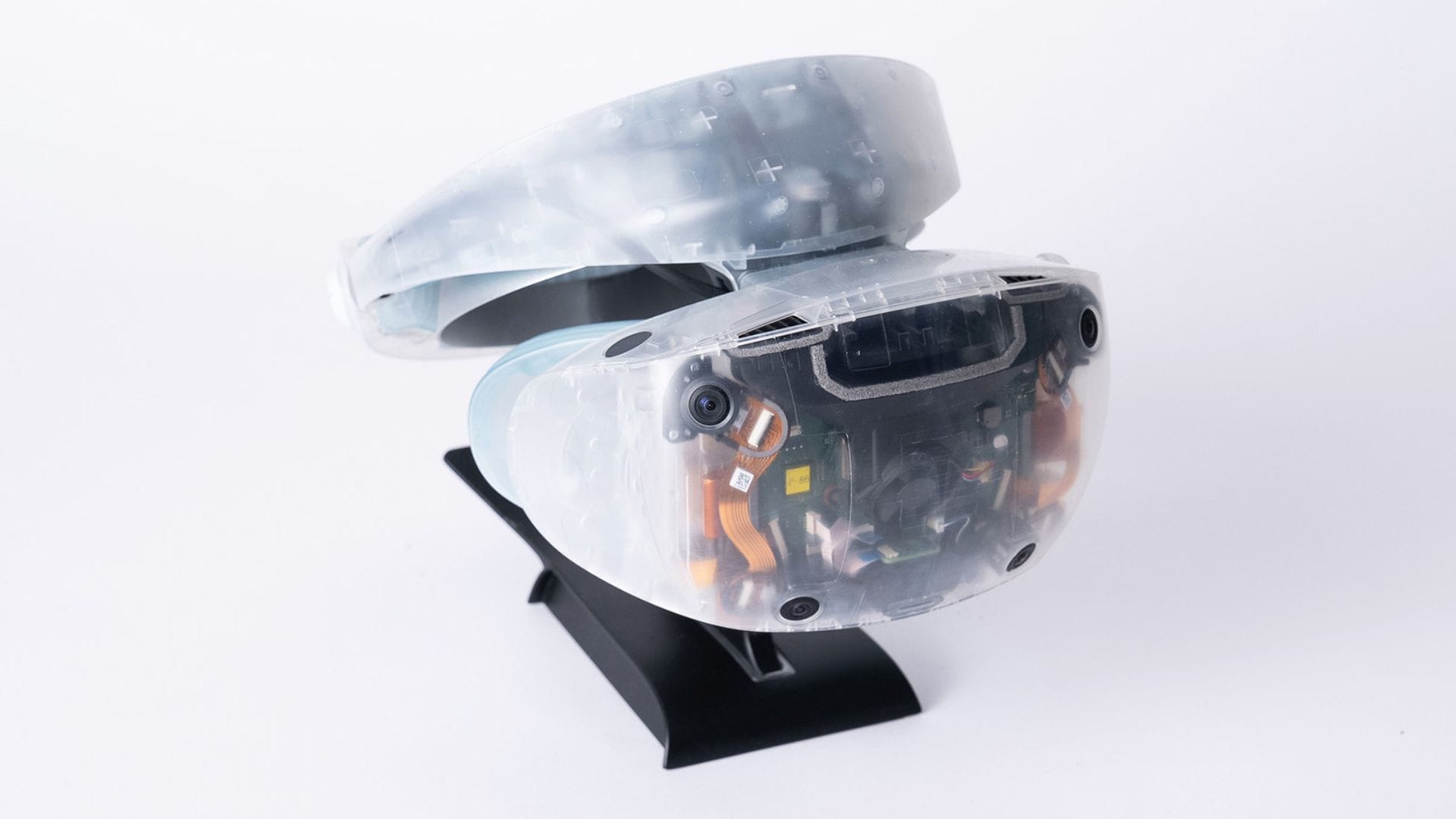
A seismic shift is underway in the world of virtual reality, triggered by a surprising acquisition that could signal the twilight of the PlayStation VR experience. Meta has reportedly secured 43 US XR patents previously owned by Sony, a move that throws a spotlight on the current state of PlayStation’s VR ecosystem.
This development comes amidst months of lackluster support and stock shortages for the PSVR 2 headset, which has received far less promotional attention since its 2023 launch. While the news from Sony’s side of the market isn’t entirely shocking given the recent quiet, Meta’s eagerness to acquire this intellectual property suggests a broader strategic repositioning in the consumer VR gaming space.
The patents in question cover critical technologies, including head-mounted displays, mixed-reality applications, and various types of glasses—IP that underpins the future of XR technology. This acquisition, which was reported by outlets like ZDNet Korea, highlights Meta’s aggressive pursuit of ownership in the burgeoning VR landscape.
It is perhaps more telling that Meta’s actions coincide with public backsteps in the broader consumer VR market. The company has been actively refocusing its efforts, including closing down gaming studios, cutting Reality Labs workforce numbers, and shifting focus to devices like the Quest line and Meta VR glasses, which aim to address privacy concerns.
This strategic pivot suggests a growing divergence between the console-centric VR path and the standalone, mobile-focused approach being championed by Meta. While this doesn’t definitively end Sony’s legacy in VR, it certainly paints a less rosy picture for the development of future hardware like the PSVR 3 when the PS6 eventually arrives.
The design philosophy of the PSVR 2 also faces scrutiny. Unlike many new headsets that offer standalone capabilities, the PSVR 2 remains a display device tethered to a larger machine. Even with its excellent display quality and feature set, its design feels somewhat behind the curve in a market increasingly prioritizing all-in-one solutions.
Despite the market skepticism, the PSVR 2 maintains a strong position. It was initially lauded by critics and early adopters, and today, following various price adjustments, it is more competitively priced than some of Meta’s competing standalone options, such as the Quest 3.
However, the journey of the PSVR 2 has been marked by supply challenges. Stock levels have been low, meaning potential buyers often find refurbished options or higher prices. Furthermore, the headset’s appeal shifted over time; while it saw a temporary surge following the PC adapter launch, its main selling points—like headband haptic feedback and foveated rendering—were intrinsically tied to the PS5, which limited its ability to compete with PC-oriented gaming.
The complexity of linking the headset to a PC, limited to a USB-C connection, further constrained its potential. Since then, Sony has scaled back its support for PC integration in both hardware and games, contributing to the current scarcity of information regarding the headset’s PC performance.
Ultimately, the narrative of the PSVR 2 is one of a technology that once captivated, battled market forces, and now navigates an uncertain future. As the industry moves toward more integrated, standalone experiences, the question remains whether the legacy of the PlayStation VR will evolve or fade into the annals of gaming history.
Buy on Amazon
Credit
