Pocket’s AI built game ideas Meta now controls the results
The world of software development is undergoing a seismic shift, driven by the rise of AI-assisted coding tools and the burgeoning concept of “vibe coding.” These innovations are rapidly transforming how complex projects are built, allowing even novice coders to bring ambitious ideas to life.
Tools leveraging artificial intelligence, from command-line interfaces to sophisticated IDEs, are making terminal-based tinkering and complex coding projects more accessible. AI models are now capable of rewriting open-source code, blurring the lines between human creativity and machine execution. The result is a development workflow that is exponentially faster and more accessible than ever before.
But while the tools themselves are revolutionary, the focus is increasingly turning to how these capabilities are packaged for the average user. Meta has stepped into this evolving landscape with a new venture designed to make the “vibe coding” experience instantly accessible, aiming to turn the complexity of software creation into something as simple as posting on social media.
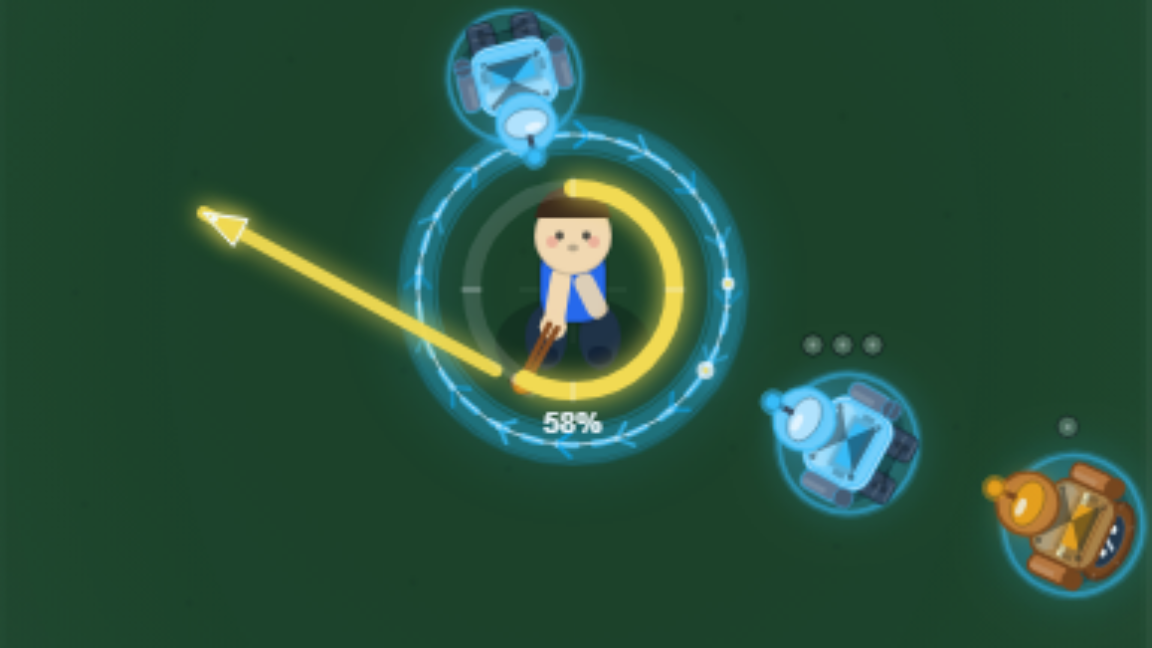
This vision materialized with the launch of Pocket, a mobile application that lets users create fully functional, interactive “gizmos” simply by typing prompts into a text box. Crucially, users do not need to look at a single line of code to initiate the process; they just vibe with the Large Language Model.
The real hook, however, is not just the creation itself, but the ability to share. These generated gizmos can be distributed to the world in a TikTok-style endless scroll, complete with likes, comments, and all the hallmarks of social media engagement.
The initial reaction has been overwhelmingly positive. After experimenting with Pocket, users quickly found themselves hooked on the simple, intuitive process of generating functional, relatively feature-rich game prototypes through chatting with an LLM.
Yet, as this new wave of AI-driven creation accelerates, a deeper question emerges: where do these creations ultimately belong? The interactive toys generated through this process are currently housed within Meta’s new digital ecosystem, raising questions about ownership and separation.
The story of Pocket is a compelling snapshot of how powerful AI is reshaping creativity, pushing boundaries in development, and setting up new, complex conversations about the future of digital ownership.
Buy on Amazon
Credit