PoE Creator hopes Diablo 5 sticks the landing
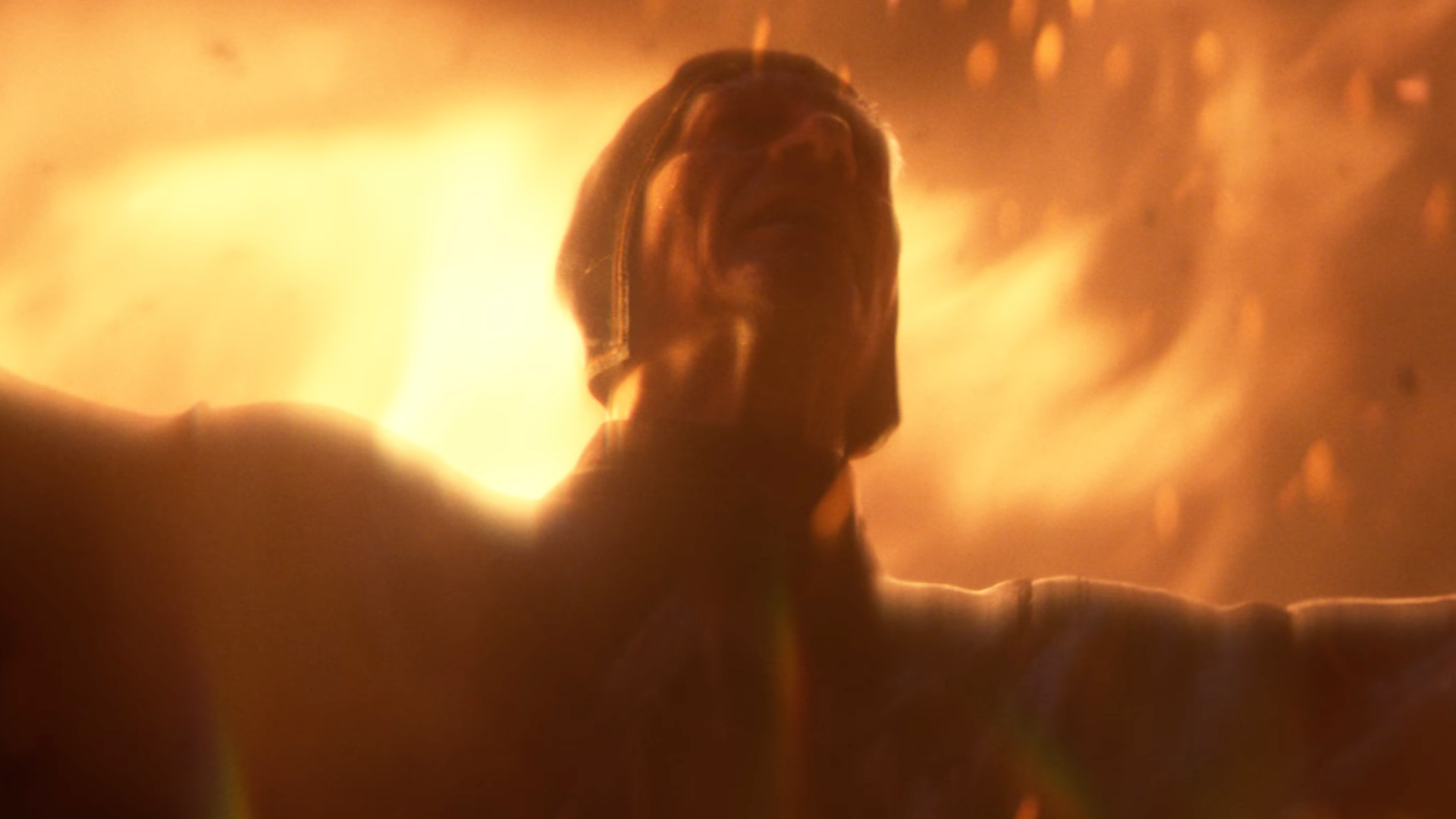
The anticipation surrounding the next entry in the legendary Diablo series is palpable, but beyond the massive cinematic announcements, a deeper conversation is unfolding among design enthusiasts. As Blizzard prepares to unveil Diablo 5, the focus isn’t just on new mechanics, but on whether the studio is honoring the dark, foundational spirit of the original action RPGs or simply evolving the formula. This debate has taken a sharp turn when Path of Exile‘s co-creator, Chris Wilson, has offered some fascinating clues suggesting the sequel might be taking a welcome step back to its roots.
Wilson, deeply immersed in the history of the genre—having grown up with the iconic Diablo 1 and 2—has been outspoken about his expectations. While he has expressed reservations about the trajectory of Diablo 3 and 4, he feels a glimmer of hope for Diablo 5, believing that the new installment has the potential to rediscover the magic of its predecessors. This hopeful outlook stems from specific visual and structural cues that Wilson points out in Blizzard’s announcements.
One of the most compelling signs lies in the aesthetic choices. The newly revealed logo for Diablo 5 features the title engulfed in flames, a visual language reminiscent of the original games. This stands in stark contrast to the flameless designs of Diablo 3 and 4, signaling a deliberate return to the franchise’s trademark darkness. Furthermore, inventory concepts introduced in the reveal showcase items with distinct sizes and management, a design philosophy happily abandoned in favor of uniform item sizing in the later entries.
“These are specific signals to players like me that there’s a chance they’re taking things back to basics and learning from the original games that established this franchise to begin with,” Wilson notes. He suggests that these details are far more meaningful than surface-level changes, indicating a potential shift in design philosophy.
The discussion then shifts to core gameplay mechanics. Wilson argues that a crucial element missing from the recent entries is a traditional monster scaling system. He believes that Diablo 5 must move away from the leveling structure of Diablo 4, embracing a system where the world features progressively more powerful monsters. This approach, he suggests, would allow players to control their progress by choosing how and where they grind, making the experience feel more immediate and challenging.
Interestingly, Wilson views Blizzard’s choice to revert to a linear world structure as a positive move, hinting that the game may be abandoning older scaling methods. This aligns with indications that the sequel will adopt a “somewhat different approach” to level scaling, echoing sentiments from game directors who favor this design direction.
Perhaps the strongest evidence for this nostalgic shift is the confirmed return to procedurally generated environments and dungeons for the overworld. This focus on constant discovery, beyond the familiar fog of war, is something Wilson is genuinely excited about, suggesting an emphasis on exploration that defines the earlier titles.
Despite these positive indicators, Wilson remains cautiously optimistic, raising important questions about the future direction of the game. He speculates on how Blizzard will handle online versus single-player options, the mechanics of item trading, and whether the combat system will prioritize physical dexterity, like a dodge and attack system, or the more intricate character builds favored by modern ARPGs.
Even regarding inventory, Wilson notes that the increase to 84 slots, compared to Diablo 2‘s 40, might signal a reduction in the need for constant travel. This relates to the caravan system, which he finds inspired by narrative design principles, suggesting that the focus may shift from mobile caravan management to deeper, contained exploration.
Ultimately, Wilson concludes with a note of tempered excitement: “I wasn’t expecting to be, but they’ve said enough of the magic words and picked the right font for the logo. I have my fingers crossed that they’ll do a good job with it.” As an industry observer, he believes that when a major franchise like Diablo offers a fresh, compelling experience, the entire action RPG ecosystem benefits, ensuring that the genre’s creative pulse remains vibrant.
Buy on Amazon
Credit
