Pokémon Scalper Arrested After Punching Man Over Target Drop
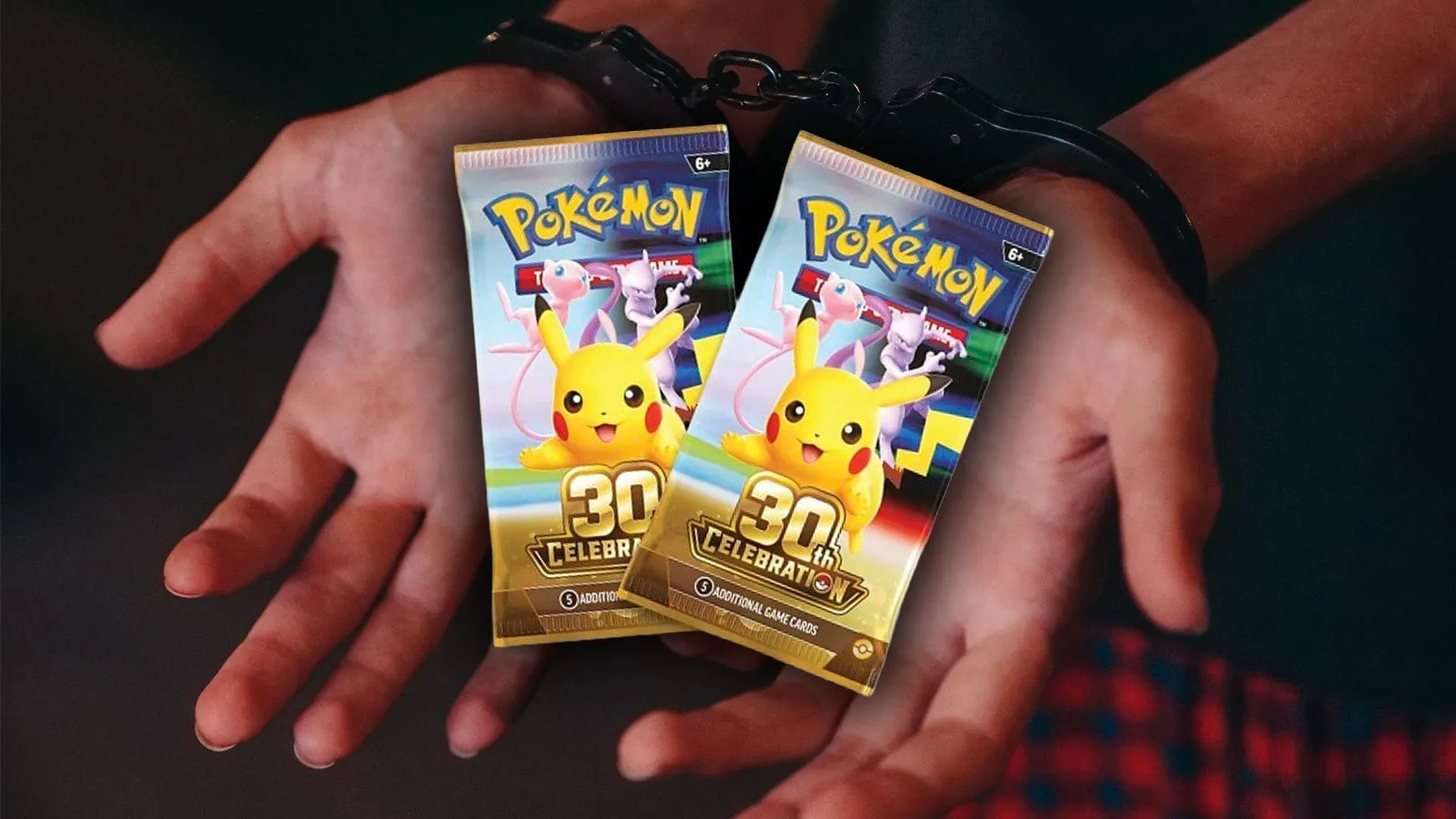
The world of Pokémon hype often reaches fever pitch, but sometimes the chaos that follows the excitement spills over into violence. A viral confrontation involving Pokémon merchandise and a public outburst resulted in an arrest and a serious injury, highlighting the volatile intersection of fandom, commerce, and public space.
The incident unfolded at a Target store in Lisbon, Connecticut, on August 28, 2026. What began as a dispute over merchandise quickly escalated into a dramatic scene witnessed by social media.
Footage circulating online showed two individuals, identified as Pokémon scalpers, attempting to move a large haul of merchandise through the store’s self-checkout area. The footage captured a heated argument between the scalpers and a group of onlookers.
The confrontation became particularly intense when one of the scalpers allegedly punched a man who was recording the exchange with his girlfriend. The scuffle, accompanied by shouting and the sound of a crying child, drew immediate attention.
The fallout from this confrontation was serious. The recorder reportedly fell into the path of a four-year-old girl, who sustained an elbow injury during the commotion. While the recorder immediately attended to the child, the scalper reportedly fled the scene, leaving behind their wallet.
Following the incident, the scalper was reportedly arrested and trespassed from the store. Reports indicate that the father of the injured child subsequently called the police.
This chaotic episode is part of a larger trend where the excitement surrounding major events, such as Pokémon‘s 30th Anniversary celebrations and trading card drops, creates intense pressure and often leads to friction between fans and commercial operators.
The environment surrounding high-demand collectibles often sees scalpers engaging in aggressive behavior, as they attempt to maximize profit amid soaring merchandise prices. This has led some community members to voice concerns about the disruption caused by excessive commercialism.
Local community members who witnessed the event described the scene as a “nightmare,” suggesting that changes to store policies were necessary to manage the intense pressure placed on these retail environments.
Ultimately, the incident serves as a stark reminder that the intense energy of fan culture, when combined with aggressive commercial practices, can quickly spiral into real-world consequences, demanding a closer look at the boundaries of public behavior.
Buy on Amazon
Credit