Porting Alyx to Steam Frame Valve’s engineering feat
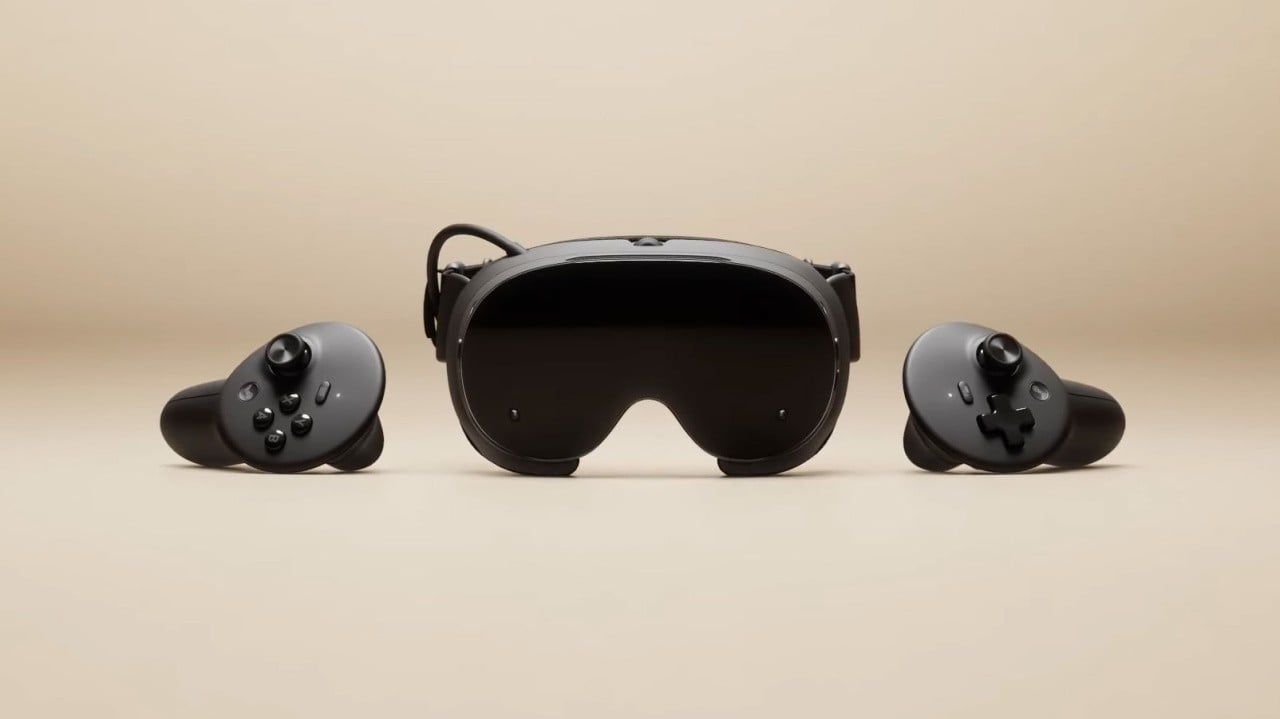
The dream of bringing high-fidelity virtual reality experiences to more accessible hardware often meets a wall of skepticism. When Valve introduced Steam Frame, the idea that a demanding VR showcase like Half-Life: Alyx could run natively on a modest, ARM-based headset seemed like a stretch. Yet, the journey to making this vision a reality is a masterclass in engineering perseverance.
Inside the development process, the internal mood was decidedly cautious: “this is never going to work.” But for the engineers working on the Steam Deck ecosystem, progress eventually took hold, proving that cutting-edge performance and portable gaming are not mutually exclusive goals.
The transition from a demanding VR experience to a natively running standalone game required intricate driver work, clever rendering solutions, and a significant commitment to hardware optimization. At the heart of this achievement lies the implementation of foveated rendering and extensive driver development, coupled with managing the demands of 16GB of RAM.
Speaking with the team behind the project, including project lead and gameplay programmer Robin Walker and engineer Autumn Ashton, the full picture of the effort emerges. They navigated the technical complexities of porting Alyx while simultaneously building the necessary infrastructure for standalone performance.
Walker explains that the initial skepticism was well-founded because Alyx was designed to be immersive and high-quality. The team’s objective was clear: to deliver the best possible VR game experience, which meant avoiding performance compromises entirely. As Walker put it, the team focused on “overinvesting resources” to create “our best attempt at what a VR game could be.”
This dedication meant that the engineers did not make any compromises around performance, as that was fundamentally antithetical to their goal of delivering a truly high-end experience on portable systems.
The result is a triumph of technical collaboration: a standalone system that can handle the visual fidelity of a major VR title, powered by sophisticated driver work and intelligent rendering techniques. It’s a testament to how ambitious goals, when approached with focused engineering, can lead to genuinely groundbreaking portable gaming experiences.
Buy on Amazon
Credit