Pre-order the cheapest Nvidia RTX Spark gaming laptops now
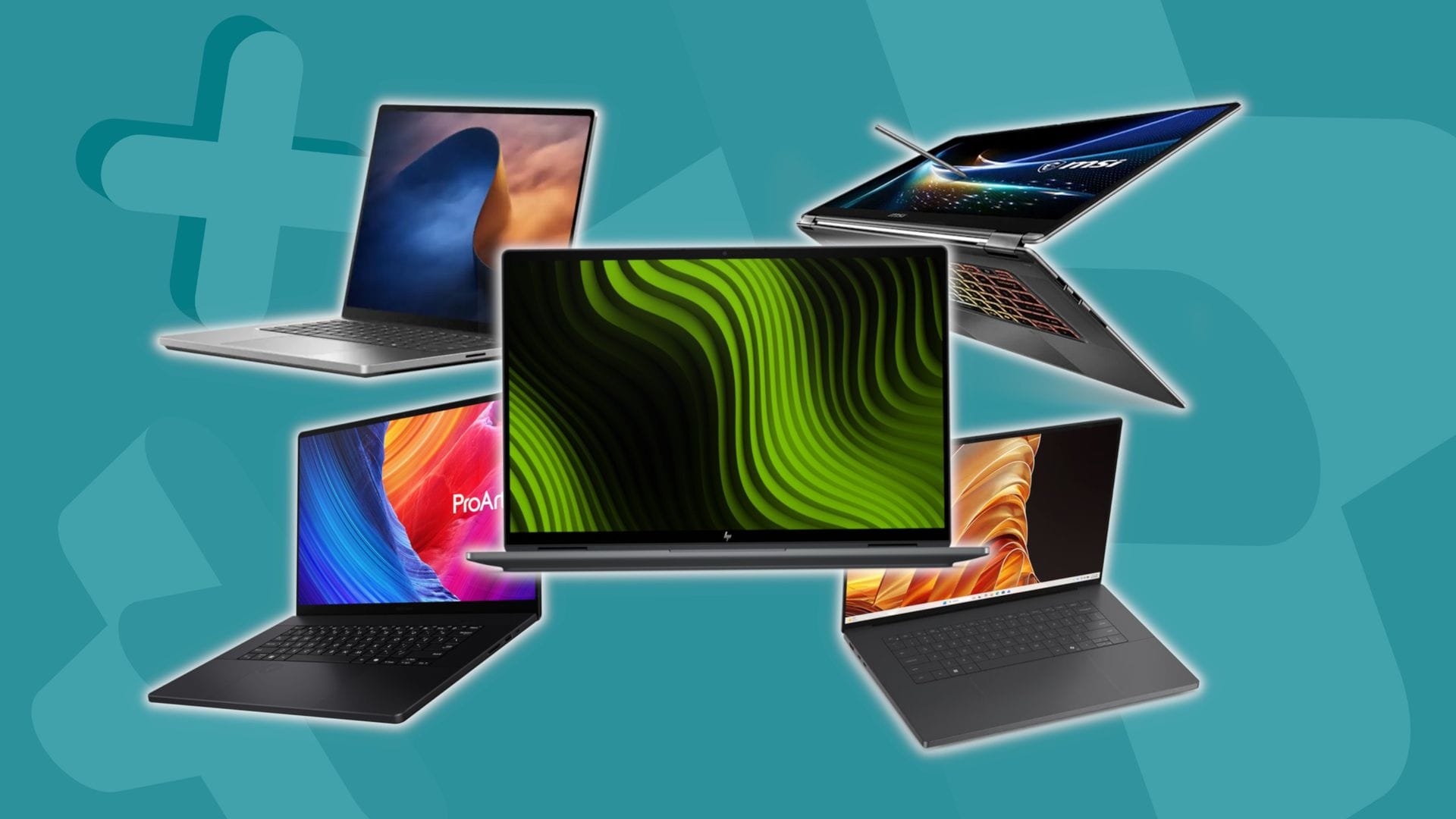
The Spark Revolution: How Nvidia is Redefining the Laptop Landscape
Nvidia is making waves in the laptop world with the arrival of the RTX Spark line, a new series of machines designed to fuse high-powered processing with sleek, professional aesthetics. These aren’t just incremental updates; they represent a fresh approach to building high-performance computing devices, focusing heavily on creative workflows, professional demands, and integrated AI capabilities.
The excitement surrounding the RTX Spark laptops is amplified by their aggressive pricing. Starting at just $2,599.99, these machines instantly challenge the pricing of traditional high-end gaming laptops, positioning themselves as powerful alternatives that don’t require a massive budget to deliver serious horsepower. This affordability is largely driven by the underlying architecture of the new Spark Superchip.
The demand for these powerful systems is intrinsically linked to the current hardware market, where memory shortages have made upgrading and developing computing resources increasingly expensive. Nvidia’s Spark innovation aims to deliver substantial performance without the typical financial burden, making top-tier power accessible to a wider range of professionals and enthusiasts.
What truly sets the Spark line apart, however, is its design philosophy. Unlike bulky gaming rigs, these laptops emphasize portability and sophisticated industrial design. The first wave of RTX Spark machines introduces immense power into much thinner, razor-thin chassis, mirroring the sleek aesthetic typically reserved for creator productivity tools. This blend of raw power and portable design offers a compelling new option for professionals on the move.
A wide array of manufacturers is diving into the RTX Spark arena, ensuring there is a configuration tailored for nearly every user. Brands like Microsoft, Asus, HP, MSI, Lenovo, and Dell are all involved in the pre-order phase, offering users diverse options based on their specific needs. This results in a variety of choices, from productivity-focused models like the Surface Laptop Ultra, which features MiniLED displays, to high-resolution options like 4K OLED panels found in the Asus ProArt line.
For example, the RTX Spark offers configuration choices ranging from 18-core to 20-core processors, and memory capacities up to 128GB. This flexibility allows early adopters to select power levels that perfectly match their workload, whether it’s intensive design work, photo editing, or demanding creative applications.
In the gaming space, while the chassis is impressively thin, performance remains the critical conversation. While the potential for smooth framerates running demanding titles is high—relying heavily on technologies like DLSS—gamers will need to observe how the Arm-based operating systems interact with the hardware. Emulation and system compatibility will be key considerations as the ecosystem matures.
Ultimately, the RTX Spark laptops signal a significant shift: high-end performance is no longer confined to large, imposing gaming laptops. With diverse options spanning 3K and 4K displays, expansive RAM, and professional-grade builds from leading manufacturers, Nvidia is not just selling laptops; it is offering a new standard for portable, AI-integrated computing that is both powerful and incredibly portable.
Buy on Amazon
Credit