Printable templates revive GOG big box games
Those who grew up with PC gaming remember a time when games arrived in wonderfully designed, substantial packaging. These boxes weren’t just containers; they were sought-after in-home collectibles, serving as eye candy and tangible memories of gaming history. Today, the digital landscape offers a unique opportunity to recapture that physical magic, and PC platform GOG is stepping up to the challenge by breathing new life into classic game aesthetics.
GOG is launching a project designed to reignite that nostalgic feeling by offering downloadable 3D models and printable, foldable high-resolution scans of packaging for a select group of titles. This initiative transforms old box art into modern creative assets, allowing fans to engage with the aesthetic in a completely new way.
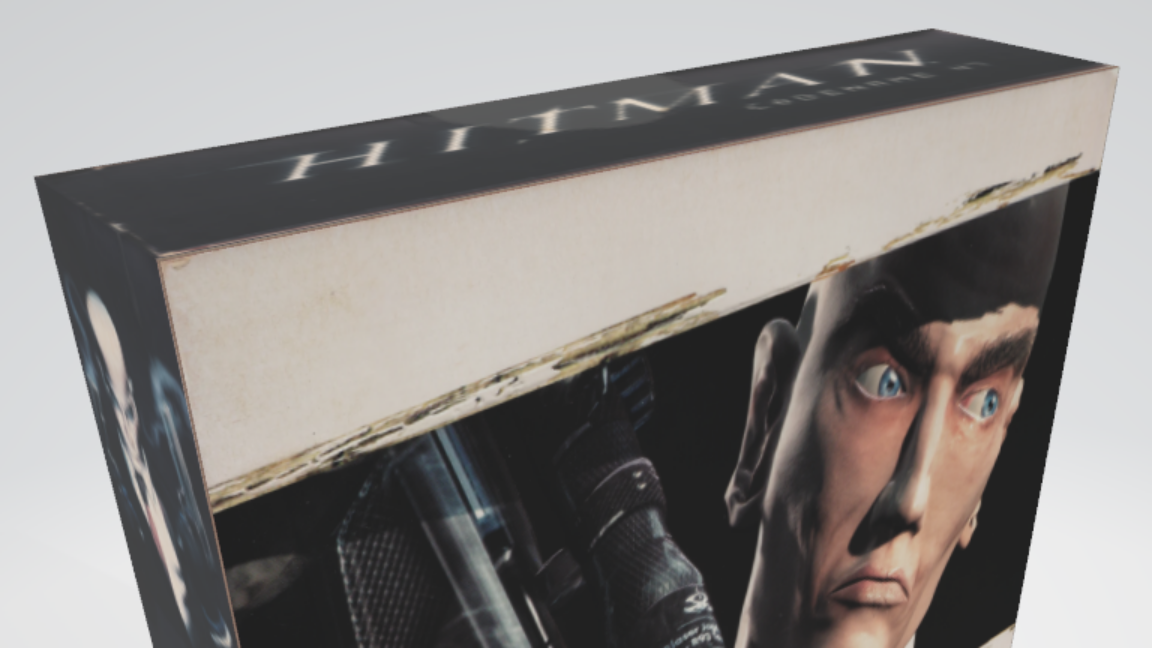
Currently, this “Printable Big Box” collection features five beloved games: Armikrog, Descent, Hitman: Codename 47, Myst, and Star Trek: 25th Anniversary.
When browsing these games on the GOG store, players will now see these unique “3D Boxes” listed among the included “Goodies” before purchase. For owners of these titles on the platform, the package includes a downloadable ZIP file. Inside, users will find a version of the box art formatted as an animated 3D object file in the popular GLB format. Alongside this, they also receive a flat printable template in various formats, including PDF, SVG, and Adobe Illustrator.
These assets are designed to allow for what GOG calls a “proper papercraft project for anyone who misses shelves full of PC game boxes.” The 3D model animates to show the front flap opening, offering a dynamic representation of the artwork.
GOG’s motivation behind this project is rooted in a philosophy of preservation. The platform notes that physical media often faces a fate that software does not—boxes can get lost, crushed, or discarded. By scanning the packaging and providing these digital blueprints, GOG suggests that preservation can take a different shape. The mission, they argue, is the same as keeping games running on modern PCs, applied now to the physical objects that once housed them.
This move bridges the gap between digital entertainment and physical craftsmanship, turning ephemeral box art into tangible, creative projects for the modern gamer.
Buy on Amazon
Credit