Producer Saves Street Fighter Franchise From Dying
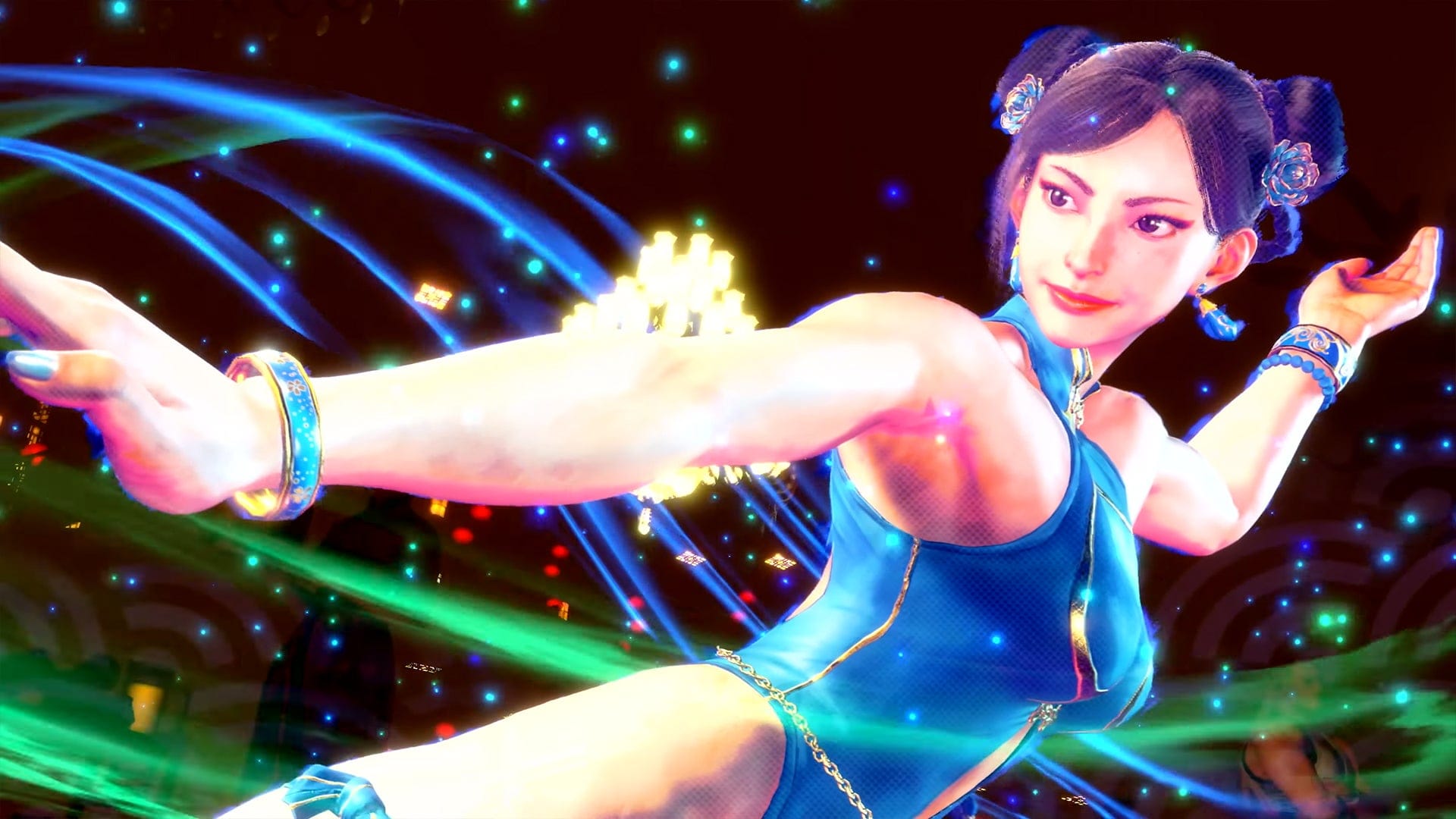
The fight against oblivion often requires more than just skill; sometimes, it requires a profound understanding of how an empire can be saved. In the world of gaming, the fate of a beloved franchise can hang on the shoulders of a few visionary leaders, and the recent history of Street Fighter is a perfect testament to this high-stakes gamble.
When Street Fighter V launched in 2016, it was met with a significant stumble. Many felt the game arrived in an unfinished state, lacking core elements like arcade modes or robust story content, and grappling with notoriously unstable netplay. This perceived lack of polish was compounded by a player base that was rapidly aging, raising serious questions about the future of the iconic fighting game franchise.
Shuhei Matsumoto, producer for the title, and director Takayuki Nakayama recognized the grave danger. They saw the Street Fighter IP risking fading into obscurity within a decade if they failed to pivot. Their assessment was stark: the player base for Street Fighter V was largely composed of players in their thirties and forties, a group that would soon be in their sixties. This demographic alone was not enough to sustain the franchise’s longevity.
“We realized that if we didn’t do something about Street Fighter, the IP would probably die in 10 years,” Matsumoto explained. “It was critical. So, we had to make it a game where people would get to know it all over again and play it again.”
The crucial shift involved abandoning reliance on the franchise’s historic status. Instead of leaning into established familiarity, Matsumoto and Nakayama made a bold decision: they treated the franchise as if no one in the current generation knew it at all. Their goal was to establish the game not just as a nostalgic relic, but as an entry point for a new audience.
To achieve this, they focused on education. This meant ensuring that newcomers could easily grasp the characters and the mechanics. The development of the new control scheme for Street Fighter 6 was integral to reaching this broader audience, complemented by approachable features like the Battle Hub and real-time commentary from community figures like Vicious and Tasty Steve.
The results of this strategic overhaul were spectacular. Street Fighter 6 didn’t just succeed; it became one of Capcom’s most successful fighting games of all time, selling over seven million lifetime units as of summer 2026. It proved that by embracing innovation and focusing on new players, a legacy can be revitalized.
Today, the franchise is not just celebrating a massive hit, but is part of a broader, exciting chapter for Capcom, which is currently releasing several critically acclaimed titles, including Resident Evil Requiem, Pragmata, and Onimusha: Way of the Sword, all while gearing up for a major film adaptation. The success of Street Fighter 6 stands as a dynamic example of how passion, strategic reinvention, and a willingness to embrace the unknown can lead to an incredible triumph.
Buy on Amazon
Credit
