PS ditches discs for TV replicating Xbox 2013
The gaming world is currently navigating a fascinating crossroads, where decades of tradition are giving way to a relentless digital revolution. For years, the physical disc has been the centerpiece of gaming culture, but now, the industry is officially pivoting, much to the chagrin of traditionalists.
Sony’s decision to end physical disc production for new games in 2028 is part of a broader trend. This move mirrors the path taken by competitors, demonstrating a clear industry preference for digital media. This shift wasn’t unique; it is a reflection of a fundamental change in consumer habits, where the convenience of digital access is rapidly outpacing the commitment to physical ownership.
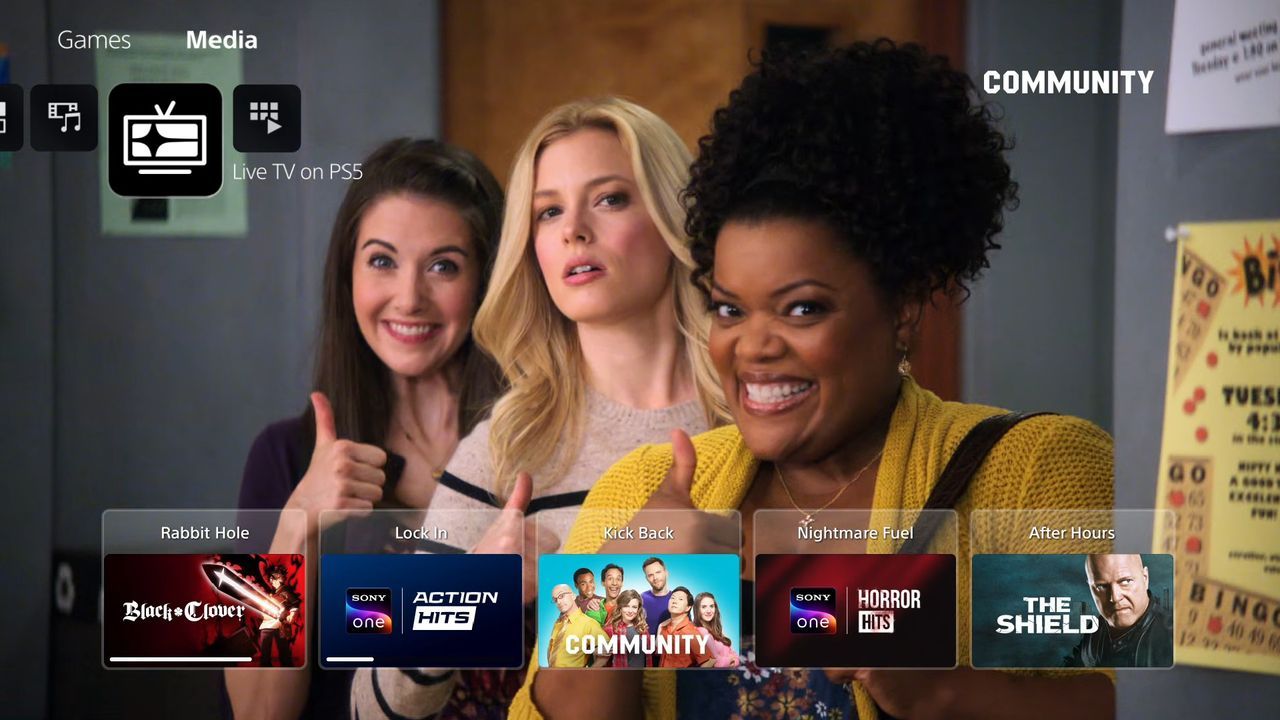
But the story doesn’t end with just disc sales. Sony has also embarked on a seemingly related, yet equally intriguing venture: integrating live television services directly into the PlayStation 5 experience. The new “Live TV on PS5” app brings a diverse array of channels, movies, anime, and sports broadcasts directly to the console.
This initiative positions the PS5 less as a pure gaming machine and more as a comprehensive home entertainment hub. While some might see this as simply another streaming service, the integration of familiar content, including shows like Community and The Walking Dead, into the console ecosystem offers a compelling, if somewhat casual, value-add for users.
However, this trend is not without its critics. The rollout has drawn comparisons to earlier, less successful attempts by other platforms to establish themselves as all-in-one entertainment boxes. This pattern of decision-making has, in the past, raised eyebrows within the gaming community, particularly when juxtaposed with earlier controversies surrounding console ownership and digital rights management.
The history of console evolution is littered with debates about what the core experience should be. When initiatives were launched—whether it was the push for always-online DRM on the Xbox One or the launch of the Live TV feature—they sparked conversations about whether the companies were serving their dedicated gaming audience or chasing broader market trends. These decisions have fueled a persistent debate about the true definition of a console’s purpose.
Ultimately, whether these strategic shifts enhance the company’s bottom line or resonate with the gaming community in the long run remains to be seen. As consumer behavior has irrevocably shifted toward digital consumption, the focus now turns to whether these evolving strategies truly serve the spirit of gaming. The future of the platform depends on balancing innovation with tradition.
Buy on Amazon
Credit