PS Portal meets PS2 DualShock in a retro handheld design
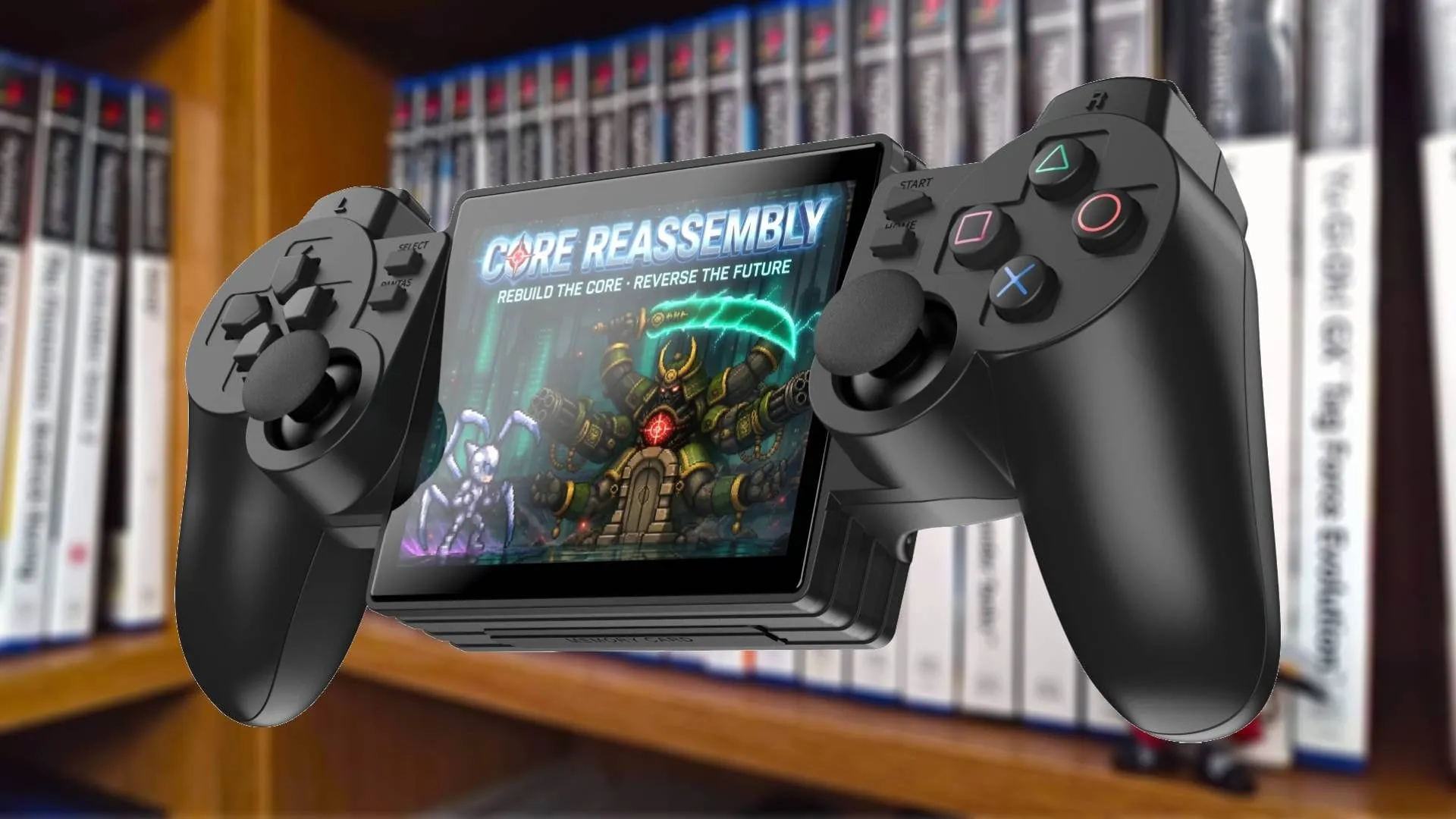
The Portable Pursuit: Is Yoniq’s Handheld Trampling on PlayStation History Worth the Drama?
In the crowded world of portable gaming, innovation often dances on the edge of legal fine print and pure imagination. Enter Yoniq, a portable maker who is boldly attempting to channel some of the most iconic designs in gaming history. Their latest creation, the Portal Handheld Gaming Console, is not just another handheld; it’s a direct, if slightly cheeky, homage to the legendary PS2 DualShock and the sleek PlayStation Portal, sparking immediate interest and, perhaps, some serious legal scrutiny from Sony.
The design philosophy behind the Yoniq Portal is clear: capture the essence of classic console aesthetics and repackage them for the modern, on-the-go player. The device features a 4.5-inch screen, seemingly centered around a cleverly rendered retro controller, aiming to transport users straight into the 2000s gaming era. This visual nod is where the ambition truly shines, borrowing heavily from the visual language of classic hardware.
While the marketing paints a picture of a retro dream, the technical details remain intentionally sparse. The handheld is rumored to launch at a competitive price point of $199.99 or £148.99, yet the official specifications are notably absent, leaving potential buyers hanging on the promise of heritage without the concrete details of performance.
This is where the rubber meets the road: intellectual property. For three decades, Sony has maintained extremely strict licensing terms governing the use of its iconic controller symbols and design elements. Taking liberties with these symbols—even in an emulation-based device—is a move that could easily trigger a response from the rights holder. The visual similarity to the classic gamepad and the attempted replication of the overall layout place Yoniq squarely in a fascinating, potentially tense, legal space.
The real drama lies in the details. While the resemblance to the overall console design is striking, the specifics of the button layout are critical. We can only speculate that if the Yoniq Portal launches, it will likely feature the universally recognizable circle, cross, square, and triangle buttons to keep Sony at bay. However, touches like the inclusion of design elements such as a simulated “Memory Card” flap, along with nods to the original console’s external ports, add layers of design sophistication that make the imitation feel much more intentional.
The competition in the handheld space is fierce, offering established options like the Anbernic RG Cube or the Retroid Pocket 5, which have proven their ability to deliver quality emulation on the go. For the Yoniq Portal to truly capture the market, it will need more than just nostalgic aesthetics. It must deliver genuine emulation power and performance comparable to these established rivals to justify its ambitious design and market position.
Ultimately, the Yoniq Portal represents a high-stakes gamble. It is a fascinating intersection of hardware design, retro nostalgia, and copyright law. Before full enthusiasm can take hold, observers will need to wait for official reviews that reveal the true performance specifications. The question remains: can this design triumph over the legal hurdles, or will the real power of the handheld be found in its performance, not just its polish?
Buy on Amazon
Credit