PS5 jailbreak reveals PS2 backward compatibility
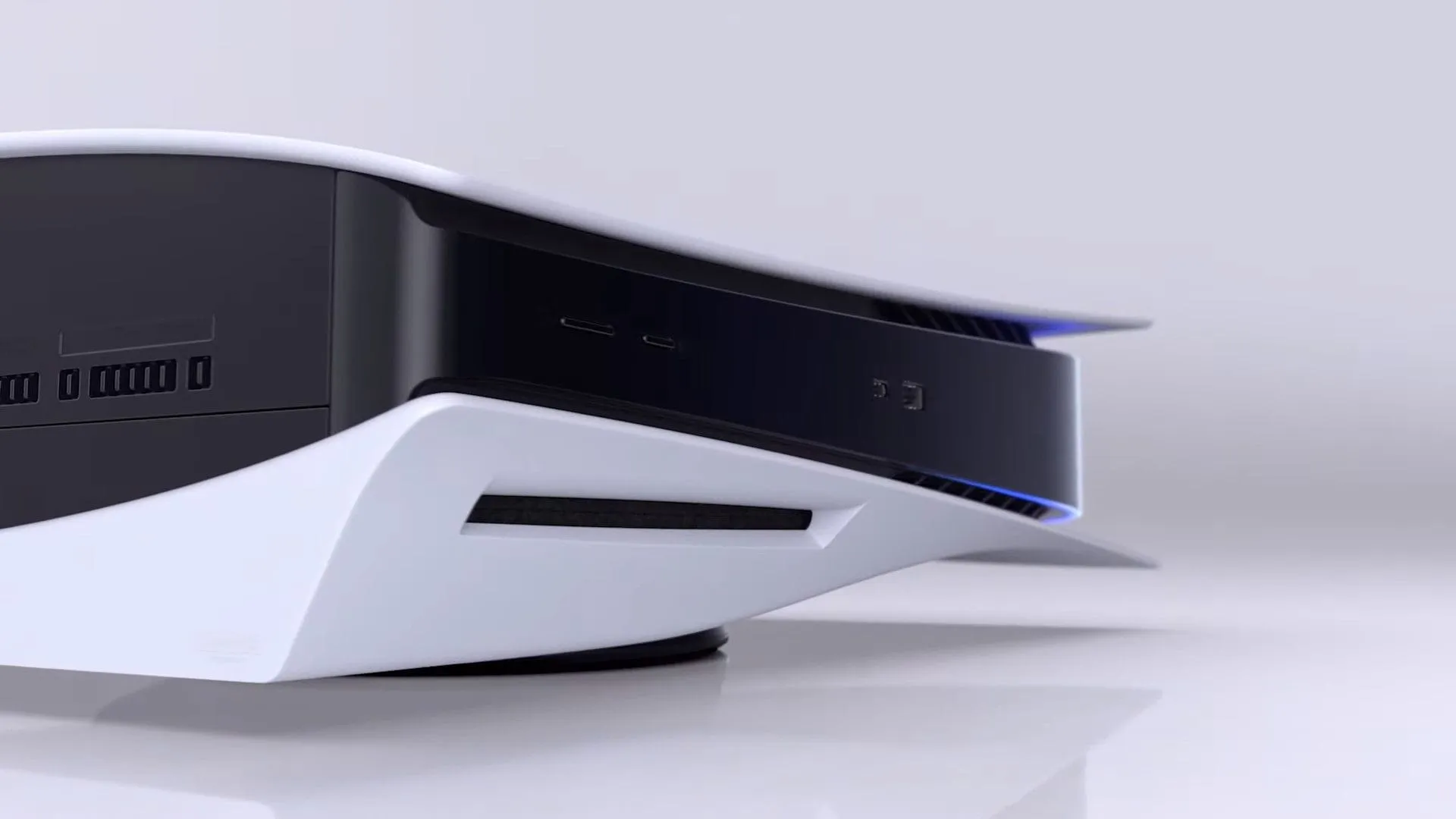
Imagine plugging your classic PlayStation discs directly into your modern console and having them play a game. For years, this was the stuff of dreams, held hostage by proprietary systems. Now, thanks to community innovation and some clever exploits, that dream is becoming reality on the PlayStation 5, proving that true backwards compatibility isn’t just a pipe dream—it’s an achievable reality.
A recent PS5SX2 port has opened the floodgates, allowing dedicated developers to bring beloved classic consoles like the PS2 to life on the PS5. This movement shows that the power of community development can bypass corporate gatekeepers, creating robust emulators that breathe new life into aging game libraries.
The possibilities extend further. For those craving the nostalgia of the PlayStation 3, projects like RPCS3-5 have managed to port those console experiences, allowing PS3 games to run on the PS5. While the process isn’t without its technical hurdles, the sheer fact that these games can run on the modern platform is, in itself, a minor miracle.
The physical disc experience is key to this revolution. Users can now insert physical PS2 discs into the PS5 drive, and the emulator can read them. While some testing suggests minor stutters when running games directly off the disc, the ability to access these games fundamentally changes the relationship between physical media and modern hardware.
Not all console eras are equally accessible, however. For older systems like the PS1, a slight adjustment is needed. Since the PS5’s laser is designed for DVDs and Blu-rays, supporting PS1 discs requires a bit of creative engineering. The solution? Simply connecting an inexpensive USB disc drive to the PS5. This practical workaround ensures that even the oldest treasures can find their way onto the new console.
This entire landscape begs a larger question: why did Sony not build native backwards compatibility into the PS5 from the start? Given that the system natively supports DVDs, and considering the massive, thriving used markets for these older games, some observers wonder if the lack of official support is less about technical limitation and more about market strategy.
Analysts suggest that Sony’s focus is firmly set on controlling an all-digital marketplace for games. For the company, supporting the physical media of older consoles—especially those that generate minimal profit in the current digital ecosystem—may not be a compelling business driver. This dynamic highlights a fascinating tension between technological possibility and corporate priorities in the gaming world.
Ultimately, the PS5 community has demonstrated that when innovation is stifled, creative solutions emerge. It’s a powerful reminder that the desire to play the classics isn’t just about nostalgia; it’s about the freedom to define what gaming compatibility should look like in the future.
Credit