Quake on PS1 and the better version reveal
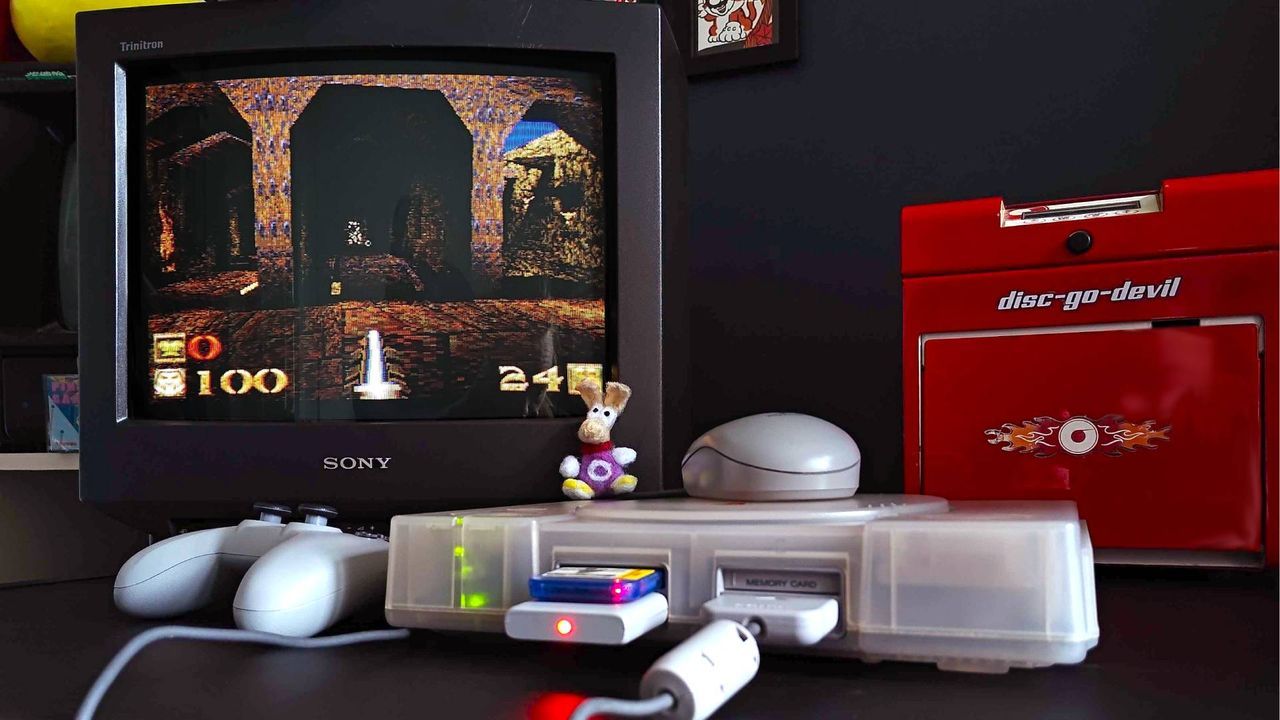
Upon stumbling into the world of PlayStation 1 homebrews, the quest to play classic shooters felt like the ultimate retro adventure. The initial goal was simple: run a sought-after title like Quake on the console. But the journey quickly revealed a surprising twist—the pursuit of a digital artifact is now inextricably linked to the rise of artificial intelligence.
This exploration of retro gaming has taken an unexpected turn, leading us into the realm of projects that leverage AI for development. One impressive homebrew demo, PSoXide, bundles Quake alongside a collection of other PS1 projects, including versions of Minecraft, Guitar Hero, and Rocket League. While diving into these titles is certainly fun, the underlying technology reveals a complex dynamic where AI is assisting in the creation of these retro experiences.
The developers behind the project openly admit that they utilized “substantial AI assistance under human direction and hardware verification.” Tools like Claude were employed for debugging and developmental aid, demonstrating how quickly these powerful new technologies are being woven into the fabric of game creation.
Not all paths lead through AI, however. There exists an older port, QuakePSX, which predates these modern developments. While the AI-enhanced project is fascinating, the original version offers a different experience. It features support for the PS1 mouse, giving the classic console a touch of PC familiarity, though players should prepare for frame rate challenges well below 30.
For those dedicated to physical media, the adventure extends beyond software and into hardware. Gadgets like the PSxMemCard can act as digital memory cards, allowing users to run specialized tools, such as TonyHax, to bypass typical disc checks and unlock the potential of old media.
This pursuit of playable retro content brings up a philosophical question about where we draw the line between innovation and tradition. As more complex and seemingly impossible ports emerge, the focus shifts to preserving the integrity of the original creative journey. The tension lies in balancing the excitement of bleeding-edge development with the reverence for the art of traditional game creation.
Ultimately, whether we are exploring AI-aided homebrews or painstakingly preserving physical media, the retro gaming landscape continues to evolve. It is a vibrant space where old technology meets new tools, promising an endless supply of unique and engaging experiences for those willing to dig deep. If you are looking to explore these worlds, look up how to play PS2 games next, and prepare for a journey where history is constantly being rewritten.
Buy on Amazon
Credit