Quest 4 hopes fade amid VR strategy shift
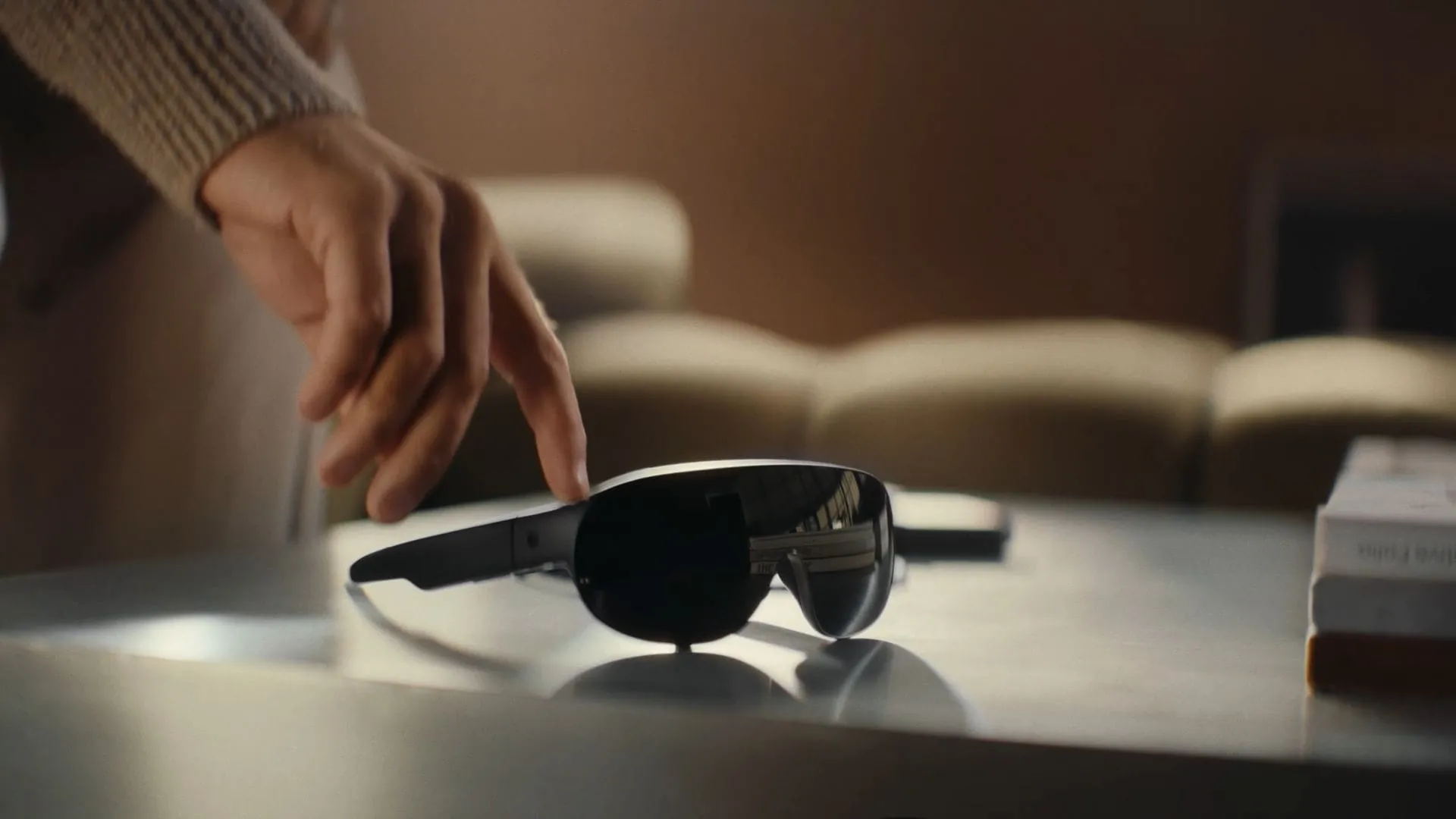
The virtual reality landscape is undergoing a significant pivot, moving away from chasing expensive gaming headsets and focusing instead on the revolutionary promise of artificial intelligence. Meta, the heavyweight in the virtual space, has publicly acknowledged the financial strain of its Reality Labs division, signaling a strategic shift that redefines the future of the metaverse.
In a recent earnings call, CEO Mark Zuckerberg addressed the financial reality of the company’s virtual reality hardware. He confirmed that Meta is changing its strategy, opting to release new devices only when they have achieved major technological breakthroughs, citing the success seen with the Meta VR Glasses.
This shift reflects a strategic refocus. While the pursuit of immersive virtual reality has been central, the company is now prioritizing the development of personal super intelligence. Zuckerberg noted that while the path to the ultimate ‘holographics experience’ will still run through VR, the immediate investment focus is shifting toward delivering AI first.
Much of the recent attention, including the Connect keynote, has centered on Muse, the new user-focused AI that Meta is integrating into its hardware, including its smart glasses. This signals a clear move away from consumer-facing headsets that demand high prices, redirecting energy toward applying AI to wearable technology.
The financial implications of this change are stark. The Reality Labs division, which encompasses much of the VR and mixed-reality hardware, has faced significant losses. However, Zuckerberg projected that profitability is on the horizon, estimating that operating losses are expected to trend toward profitability, with operating loss coming down to around $15 billion next year.
For the gaming community, this news brings a complex mix of signals. Meta has recently closed its three largest game development studios, which naturally raises questions about the future supply of exclusive content. Competitors are clearly vying for attention; PlayStation recently sold its VR patents to Meta, and other players like Pico are pushing forward with their own vision, though their current hardware focus remains more specialized.
Meanwhile, other technologies are carving out space. Solutions like Steam Frame offer a compelling mixed-reality experience that competes directly with Meta’s devices, demonstrating that the market is hungry for accessible, high-quality virtual experiences. While the VR hardware market faces stiff competition, Meta’s focus is clearly on the convergence of physical and digital worlds through AI-powered wearables.
The future of Reality Labs appears to be less about the next generation of bulky headsets and more about seamlessly integrating personal super intelligence into our daily lives through smart glasses, promising an experience where AI enhances everything from music and calls to capturing moments.
Buy on Amazon
Credit