RAMageddon gets worse in 2027 according to Samsung
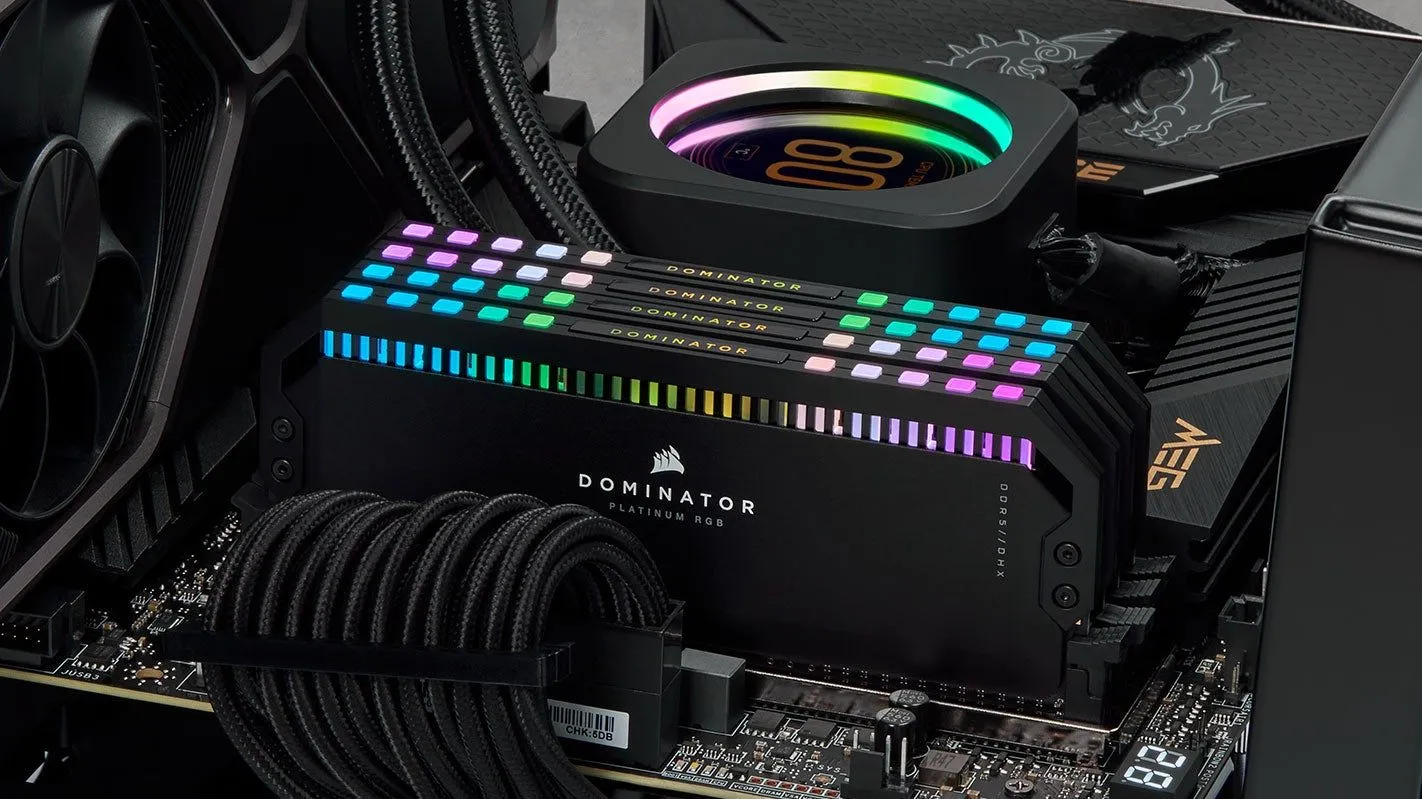
The year 2026 has been less about innovation and more about a desperate, high-stakes fight for bandwidth. A relentless RAM crisis has set the tone for the entire technology landscape, driving up prices across the board—from gaming consoles to the very components that power the future of artificial intelligence.
At the heart of this scarcity is the global memory market, where demand has radically outstripped supply. This pressure is starkly illustrated by the escalating costs seen in consumer electronics, with items like the PS5 and the Steam Machine grappling with exorbitant pricing.
Amidst this bottleneck, major players like Samsung are navigating an intensely focused strategy. In their recent earnings report, the company highlighted the massive scale of its semiconductor segment, which accounted for 72% of its revenue. The impressive figures were achieved by deliberately prioritizing the manufacturing of HBM4 memory, the specialized chips essential for demanding AI data centers.
Samsung’s move was a calculated pivot: instead of chasing consumer-grade DDR5 memory, the company is locking in stability through long-term contracts and ensuring product readiness tailored specifically for AI applications. This focus allows them to weather the storm, demonstrating that the AI boom is reshaping the rules of hardware production.
Looking ahead, the outlook for memory is bleak. Analysts predict the market will tighten further in 2027, driven by surging AI-driven demand that simply cannot be met by current supply chains. This trend reinforces the narrative that the focus has shifted entirely from gaming peripherals to industrial-scale AI infrastructure.
The severity of this supply crunch is not limited to the data center; it bleeds into the consumer space. Reports suggested that memory capacity for 2027 was already sold out, a warning that the supply shortage is a chronic, not a temporary, issue.
This tension between industrial demand and consumer desire is clear when looking at the gaming market. The shortage has created secondary crises, pushing the prices of used consoles to staggering levels, demonstrating how the memory bottleneck ripples through the entire tech ecosystem.
Even major technology companies are grappling with the fallout. While some hardware remains available, the sheer volume of demand suggests that the supply chain challenges caused by the AI race are proving to be a defining feature of the modern era, forcing manufacturers to prioritize the future of intelligence over immediate consumer gratification.
Buy on Amazon
Credit