RAMpocalypse Sony and Microsoft refuse tariff refunds
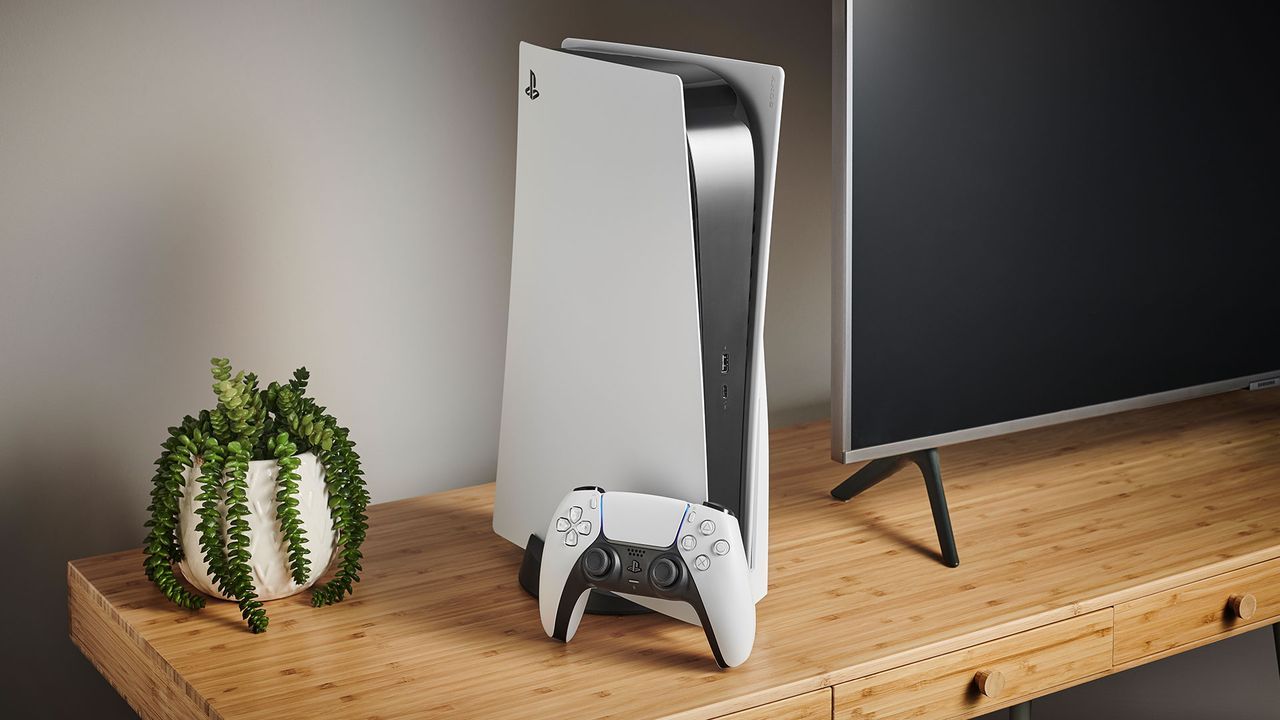
The world of console gaming, often seen as a bastion of pure entertainment, has recently found itself embroiled in a surprisingly bitter legal battle over tariffs and consumer refunds. While the industry attempts to spin a narrative of consumer-friendliness, giants like Sony and Microsoft are now locked in lawsuits, arguing that they should not be held responsible for passing on the costs of government tariffs to their players.
This legal tussle stems from the fallout of US tariffs implemented during a period of economic turbulence. As import and tax rates shifted on technology produced outside the US, major technology brands were forced to adjust their pricing. This ripple effect landed directly on flagship consoles, including the PS5, Nintendo Switch, and Xbox Series X, resulting in noticeable price hikes for consumers.
When the US Supreme Court eventually ruled these tariffs illegal, the government initiated refund payments to affected businesses. The core question then became: should the massive amounts of money returned be passed to the consumers who absorbed the initial cost, or retained by the corporations that set the prices?
Sony and Microsoft have countered these refund demands by filing motions to dismiss class-action lawsuits. Their legal teams have argued that purchasing a console at an advertised price means the consumer received exactly what they paid for, regardless of the complex theories about cost structures or tariffs. Sony’s team contended that paying a fair market price for voluntarily purchased goods is not a legally actionable injury.
Similarly, Microsoft asserted that the pricing included a diverse and dynamic set of input costs, citing inflation and component costs as factors that made price adjustments necessary, rather than tariffs alone. They argued that the timeline of pricing changes confirms that the costs were rooted in market dynamics, not solely external taxation.
This corporate defense stands in stark contrast to the actions of smaller players in the tech sphere. While the giants litigate, smaller brands are taking direct action. For instance, PC building brand Arctic announced it would pass tariff refunds directly to customers through a dedicated sales promotion, ensuring every dollar returned reached the end consumer. Even Panic, the maker of the Playdate handhelds, is actively refunding customers who paid extra during the tariff period.
This proactive, consumer-focused response from smaller entities highlights a broader frustration. It suggests that the narrative that console gaming is inherently more consumer-friendly than the PC space is crumbling. The focus shifts from corporate legal maneuvering to the underlying reality of market economics and consumer ownership. As we look ahead, PC gamers should also consider the current landscape of the best RAM for gaming, the best graphics cards, and the value of digital ownership in the gaming world.
Buy on Amazon
Credit