Rare’s Future in the Activision/Xbox Shakeup Fears Fans
The gaming landscape is currently buzzing with shifts, not just on Xbox, but across the entire industry. Microsoft’s recent restructuring of its first-party studios, involving layoffs and consolidation, has sent ripples of concern through the community, especially regarding the future of studios like Rare.
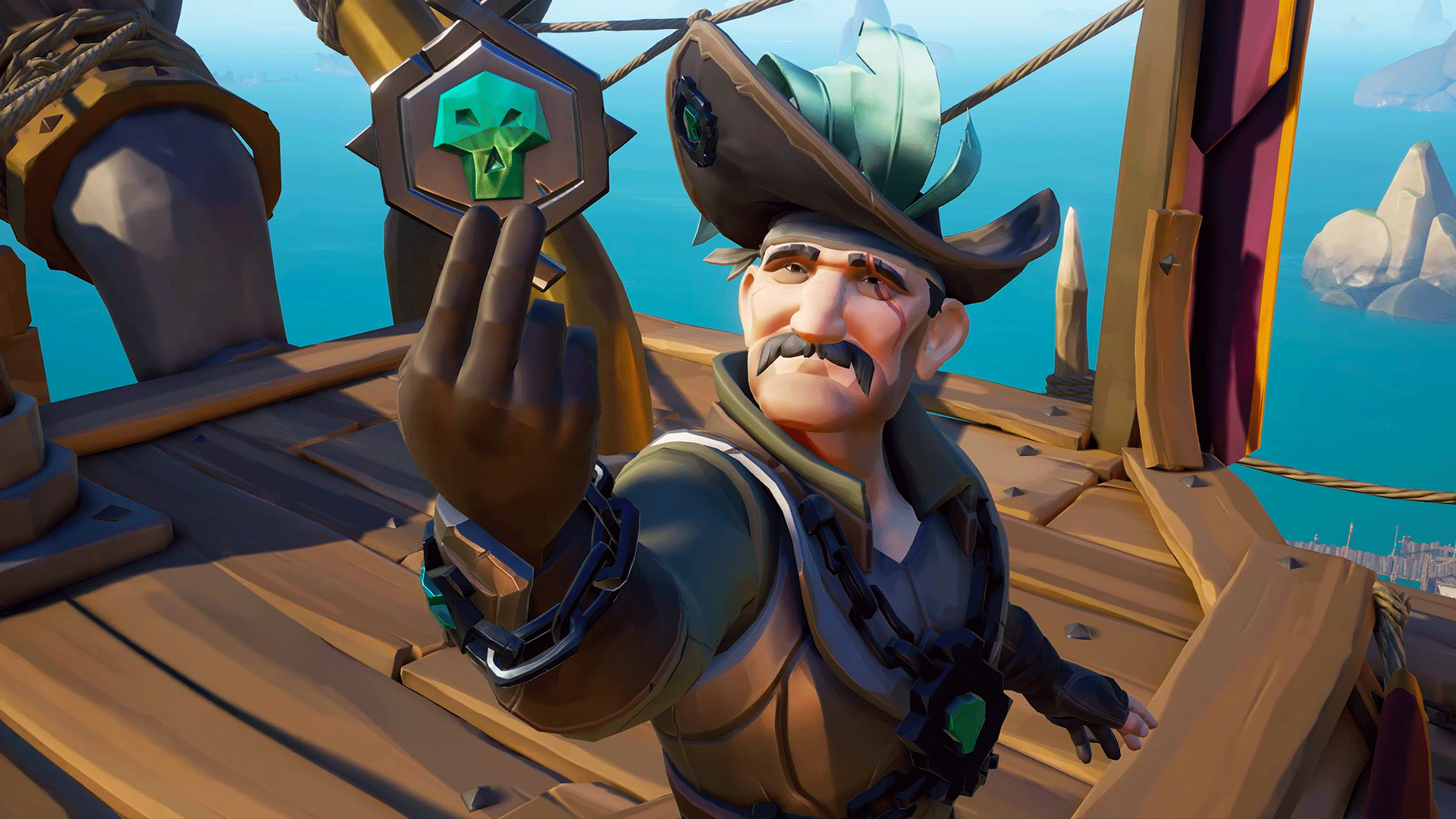
At the heart of the discussion is the fate of Rare, the brilliant minds behind the immensely popular title Sea of Thieves. As the studio is now operating under the umbrella of Activision, many fans are left wondering what this corporate shakeup means for creative freedom and the direction of their beloved team.
The integration raises a familiar historical knot for many: the history of large publishers absorbing smaller, beloved development teams. In the past, entities like Activision have taken teams—such as Neversoft—and slotted them into support roles, often focusing on supporting massive franchises like Call of Duty.
This dynamic has fueled skepticism among fans. If the recent trend continues, the worry is that Rare will simply become another support studio for the massive shooter franchises, rather than focusing on the unique, creative experiences they are known for.
Some players hold onto hope that Rare will find a new path. Given their deep roots in platforming games, there is enthusiasm for the possibility of them developing new titles in the vein of classic franchises, such as Crash Bandicoot or Banjo-Kazooie.
However, without explicit direction, this remains pure speculation. The broader context of the current corporate environment adds another layer of complexity. Activision has faced significant criticism regarding its handling of game monetization, the use of generative AI in its titles, and the tendency to oversaturate franchises, which has caused some fans to lose faith in the direction of the company.
This history prompts a careful look at the future. While the recent changes offer some measure of stability, the outcome for Rare—whether they maintain creative autonomy or slip into a support role—will likely take time to unfold. Ultimately, the story remains one of waiting to see if a studio defined by innovation can successfully navigate the demands of corporate consolidation.
Buy on Amazon
Credit