Razer Blade 18 vs Fastest Gaming Laptop nearly folded
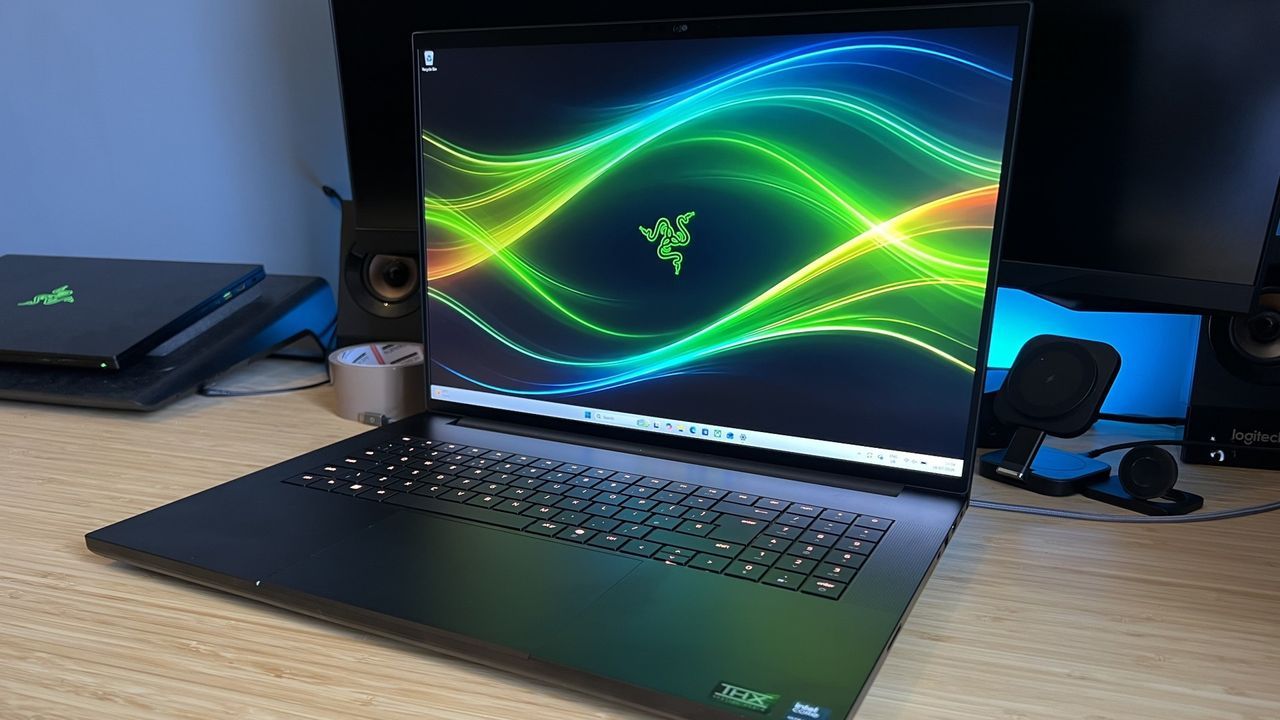
In the fiercely competitive world of high-end gaming laptops, the stakes are constantly rising, and last week delivered a fascinating showdown between two titans: the sleek Razer Blade 18 and the powerful MSI Raider A18 HX.
When weighing the contenders against each other, it’s easy to focus on flashy specs like dual 4K / 1200p displays or slim chassis designs. But the real battle wasn’t about aesthetics; it was about performance and true value. The Razer Blade 18 ultimately landed on the top list of the best gaming laptops with a strong 4/5 score, largely due to its superior build quality and overall package.
Despite not dominating every benchmark record held by its rival, the Blade managed to nearly match the raw power of the MSI Raider A18 HX. This is significant because no gaming laptop has recently managed to come close to those beastly performance figures. However, looking at where the numbers actually land over time tells a different story about what consumers should prioritize.
The newer iteration of the MSI Raider A18 HX has seen a slight shift in focus as time moves on. While it once boasted top-tier components, current models are often featuring slightly scaled-back graphics to maintain better value for the consumer. This means that while the processor-heavy single-core benchmarks sometimes favor the AMD Ryzen 9 architecture found in the Raider, the overall financial picture is decidedly kinder.
When it comes to demanding 4K gaming—the ultimate test of graphical prowess—both machines manage a tight tie. The Razer Blade 18 excels in lighter titles like Shadow of the Tomb Raider and manages impressive performance in the more punishing Cyberpunk 2077. Conversely, the MSI Raider often secures victories in strategy-heavy games like Total War: Three Kingdoms and explores realms like Horizon Zero Dawn Remastered.
In higher resolutions, such as QHD and FHD+, the Blade demonstrates an overall advantage, taking the lead in performance. This suggests that for many players, the Razer’s configuration provides a more balanced gaming experience across various settings.
The ultimate differentiator, however, often lies in what you are willing to trade up for. The Razer Blade 18 sacrifices the ultra-premium screen technology—like OLED or Mini LED displays—in favor of packing a dual-resolution setup (4K/240Hz alongside FHD/440Hz). This choice is less about raw visual contrast and more about maximizing overall hardware performance and build quality.
Ultimately, the decision boils down to personal preference. If you prioritize cutting-edge screen technology above all else, you might look elsewhere. But if you value a sturdy chassis, a superior keyboard experience, excellent battery life, and powerful performance that still competes in the high-end arena, the Razer Blade 18 stands as a seriously compelling choice for the discerning gamer.
Buy on Amazon
Credit