Razer Freyja butt-rumbling haptic gaming cushion review
The quest for deeper immersion in gaming often leads innovators down unconventional paths. Recently, the tech giant Razer took a bold step into this space with its unveiling of Project Esther, a prototype designed to redefine the physical connection between the gamer and the digital world.
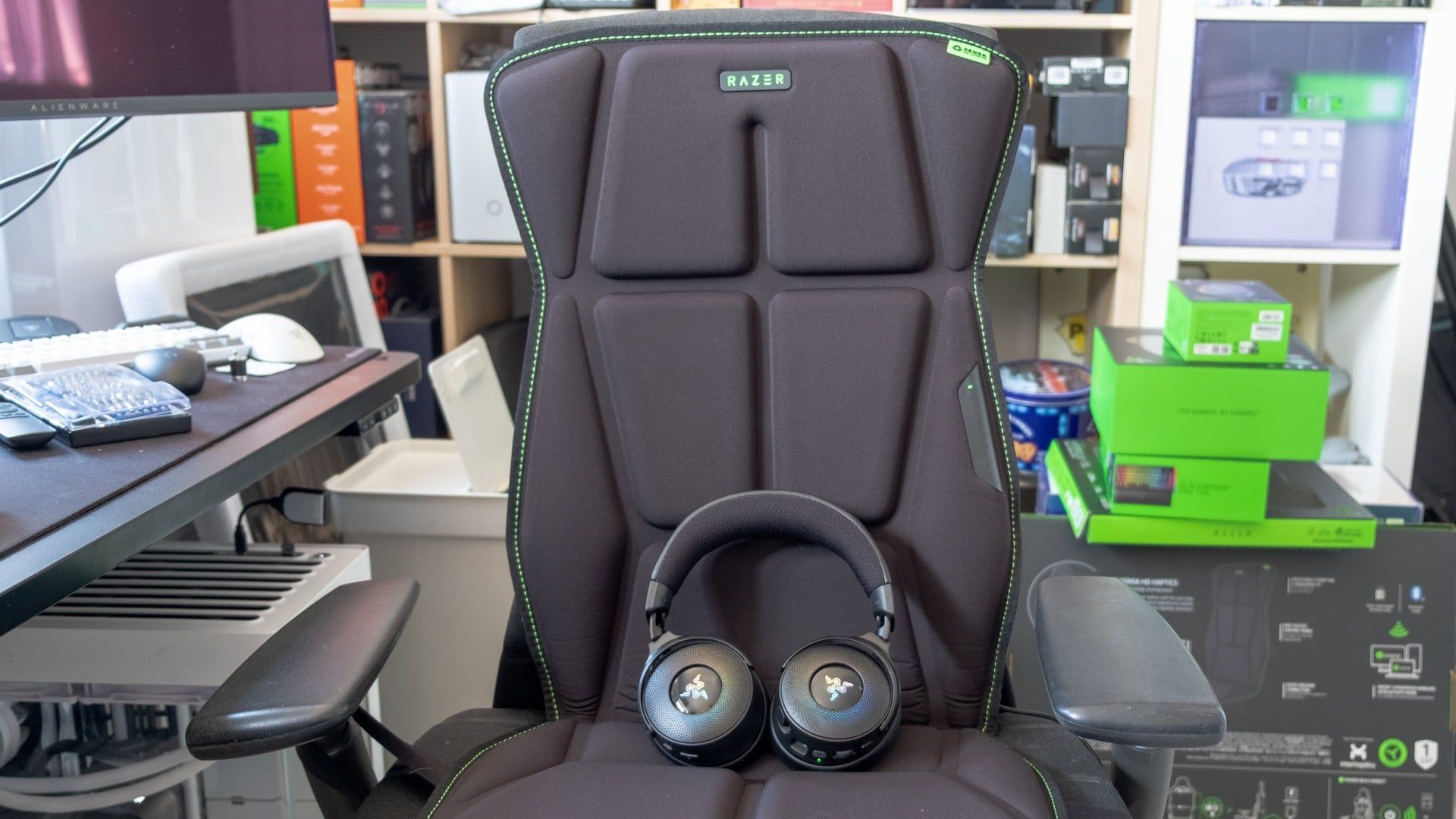
This initiative culminated in the release of the Freyja gaming cushion, a strap-on seat device engineered not just for comfort, but for visceral feedback. Designed to deliver true haptic immersion, Freyja aims to create a sensation that actually rumbles through your body, translating game events directly into physical sensations.
The initial reception of this novel hardware saw it hit the market with a Norse rebrand a year later, setting a new benchmark for Razer prototypes. While some might dismiss it as a novelty, the real test came when we put the device to the ultimate trial: playing 007 First Light, a game updated with native support for Razer’s Sensa HD haptic feedback standard.
After navigating the first third of the experience, it became clear that Freyja is far more than just a gimmick. It proved to be a surprisingly smart piece of kit, offering a genuinely novel way to perceive game audio and action through physical vibration.
Technically, the cushion operates as a sophisticated delivery system for six individual haptic transducers. These motors are strategically spread across various zones of the body—covering the left and right upper back, lower back, and legs—to create localized effects that mimic in-game events.
The design balances direct game integration with broad accessibility. While the primary goal is to deliver precise feedback based on developer input, Freyja includes a robust fallback mechanism. This system ensures that even without specific game integration, the device provides immersive results by utilizing low-frequency audio, ranging between 30 and 200Hz, for universal support.
Although this technology is incredibly promising, it is important to acknowledge the current landscape. The Freyja system comes with some significant limitations, and its asking price places it outside the realm of mainstream consumer electronics. However, its existence pushes the boundaries of what we expect from gaming peripherals, demonstrating a tangible shift toward haptic feedback as an essential component of future interactive entertainment.
Buy on Amazon
Credit