Razer launches Wolverine V4 Pro controller for Xbox and PC
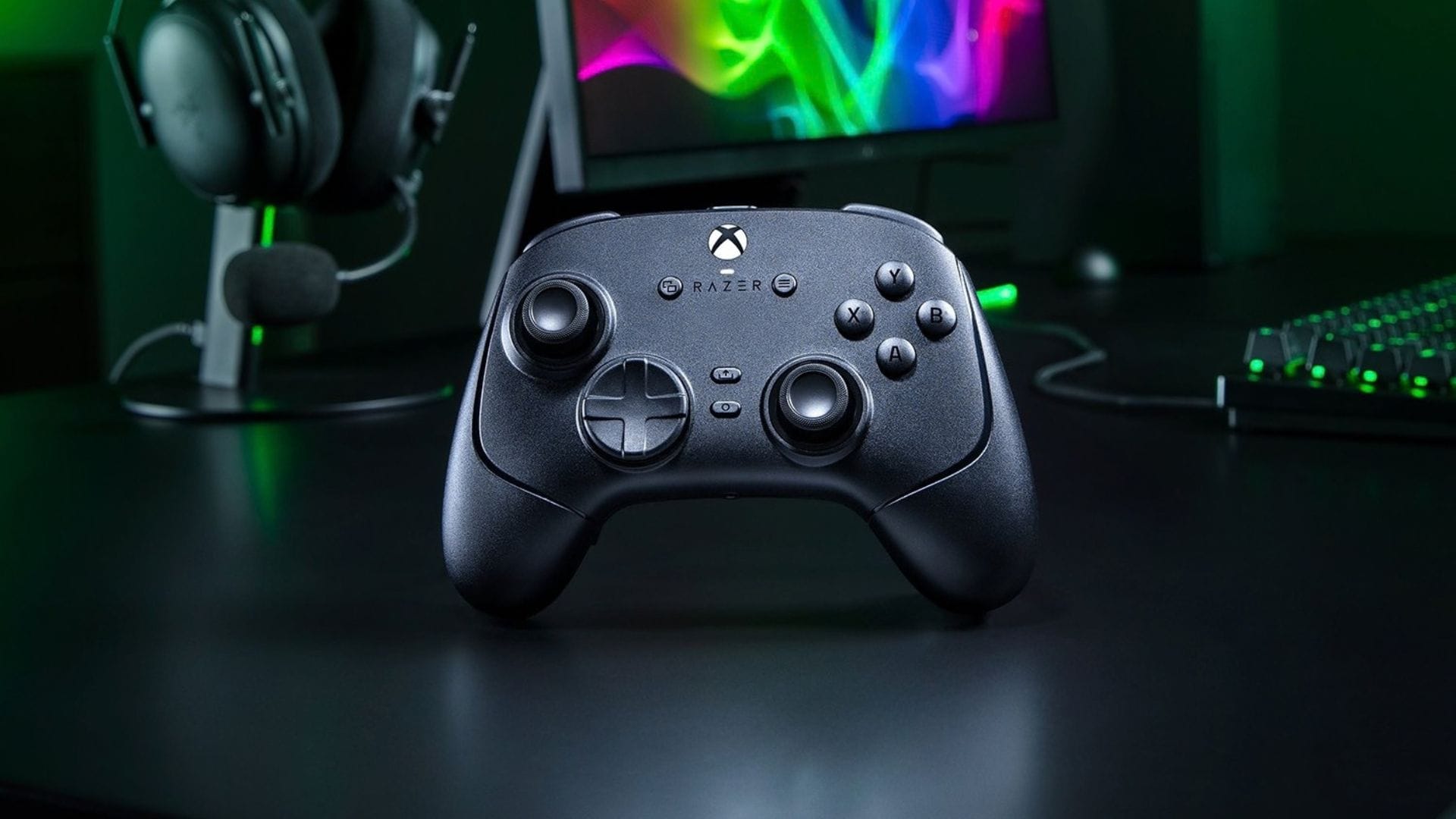
Two years after its debut, Razer is back with a major upgrade for elite gamers: the Wolverine V4 Pro. While the exterior design is familiar, this iteration introduces genuinely groundbreaking technology that promises to redefine the experience of high-performance gaming controllers. The real story, however, isn’t just about the aesthetics; it’s about a radical shift in how Razer approaches thumbstick technology.
Moving away from the industry standard, Razer has decided to ditch TMR thumbsticks—the technology that has dominated the controller landscape—in favor of a newer, higher-resolution approach. This move isn’t arbitrary; it stems from a desire for performance and efficiency. Instead of relying on Tunneling Magneto-Resistance, Razer has integrated what they call even higher-resolution capacitive sensors, offering a performance boost while being significantly more power-efficient than traditional TMR and Hall sensors.
This innovation addresses a long-standing gaming headache: stick drift. By adopting this new style of thumbstick technology, Razer assures users that the V4 Pro is immune to the notorious issue of erratic input, ensuring precision and reliability throughout intense sessions.
The new controller maintains impressive connectivity options. While it connects to Xbox with the standard 250Hz refresh rate, the V4 Pro delivers on PC with the flexibility to push polling rates up to 8,000Hz, giving competitive players an edge in reaction time.
Beyond the stick mechanics, Razer has fine-tuned the physical experience. The V4 Pro still embraces the modular design that gamers love, offering swappable components, including different-sized thumbsticks, a custom cable, a wireless dongle, and magnetic blanks for personalized customization. Furthermore, the controller is packed with extremely clicky microswitch buttons, borrowed from Razer’s acclaimed Esports mice, which have been subtly adjusted for increased comfort. The triggers retain their stop switches, allowing users to toggle them into microswitches for maximum speed, adding another layer of granular control.
For deep personalization, the entire device is managed through Razer Synapse, offering four distinct onboard profiles. This level of control means users can fine-tune every aspect of the controller’s behavior, from button actuation to polling rate.
Razer’s gamble on this new magnetic, swappable technology is poised to make a significant statement in the controller market. By pioneering a design focused on high-resolution capacitive sensing, they are setting a new benchmark. The ultimate question now is whether this approach will inspire other brands to embrace magnetic, customizable input systems, fundamentally changing the future of gaming peripherals.
Buy on Amazon
Credit
