RE artist hits back at AI rumors confirming hand-drawn art
The world of blockbuster cinema is often a battleground for creativity, and the recent success of Zach Cregger’s Resident Evil movie has brought a spicy debate with it—specifically, allegations that artificial intelligence played a role in its early development. But behind the technical murmurs, the story of the film is much richer, proving that sometimes the most successful creations are born from genuine, human passion.
When rumors began circulating about the storyboards for the film, some moviegoers wondered if the distinctive art style had been outsourced to algorithms. The immediate skepticism was fueled by the sheer volume of early artwork that surfaced online, leading many to speculate about the line between human artistry and machine generation.
The controversy received a swift, hands-on rebuttal from one of the creative forces behind the project. Storyboard artist Simeon Wilkins stepped forward to clear the air, sharing samples of the initial drawings and emphatically stating that the work was entirely original. “A small sampling of the storyboard work I did with Zach for Resident Evil. Not an ounce of AI here- all hand-drawn!” Wilkins’ statement confirmed that the visual foundation of the film was rooted in traditional, human artistry.
Despite the digital scrutiny, the film quickly established itself as a massive hit. It garnered an impressive 95% on Rotten Tomatoes and contributed to a staggering $100 million international opening weekend. Critics have hailed the spectacle, describing the experience as “Frightening, funny and exceedingly bloody,” positioning it as an easy frontrunner for the best video game movie to date.
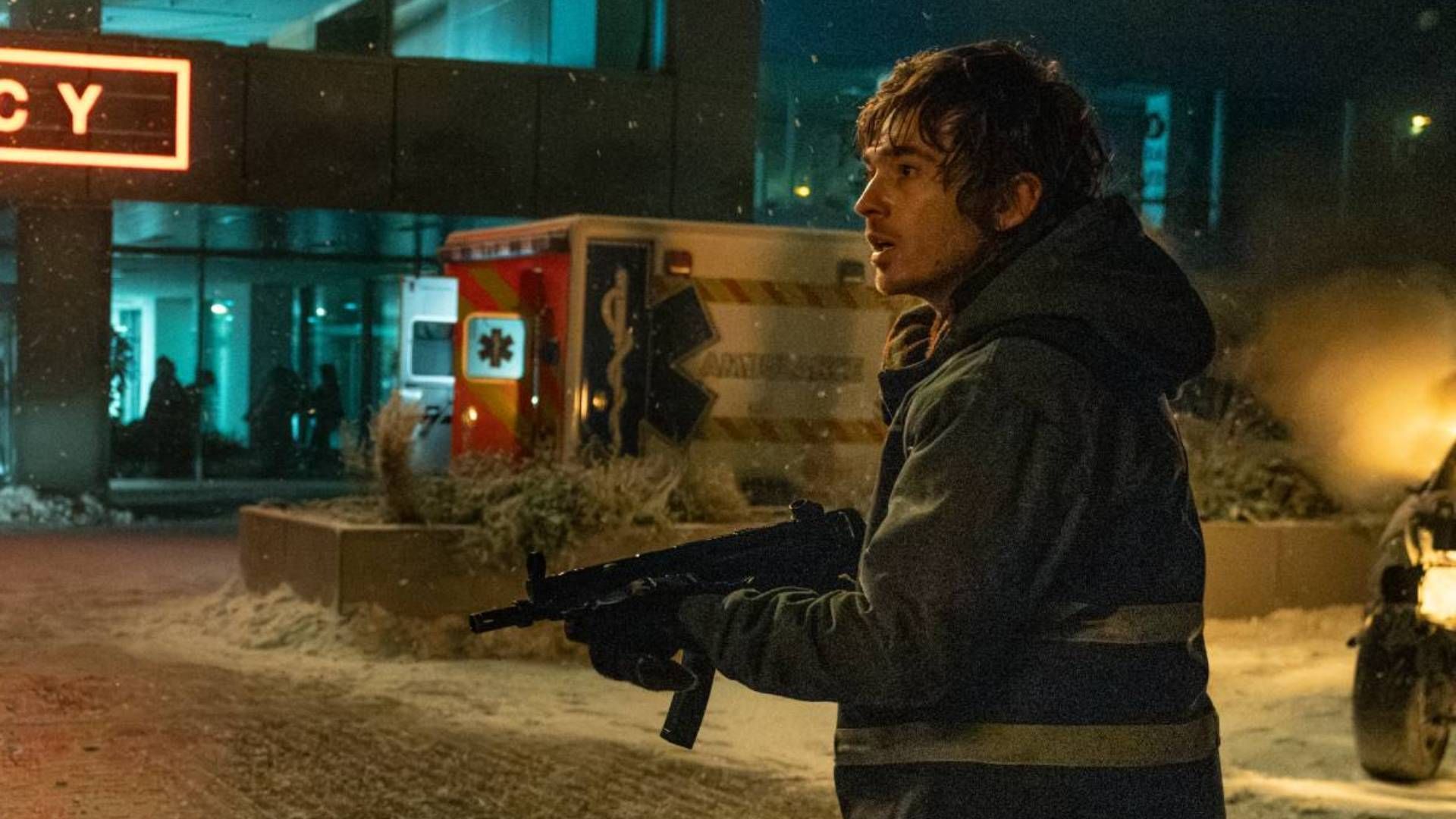
The narrative itself shifts focus from simply replicating game lore to expanding upon it. The film centers on Austin Abrams as Bryan, a medical courier who stumbles into an all-out zombie apocalypse while attempting to deliver a package to Raccoon City General Hospital. While the movie does not adapt a single game directly, it skillfully sets its action concurrently with the events of Resident Evil 2, weaving a fresh tapestry of horror and suspense.
This approach demonstrates a deeper commitment to the franchise than mere replication. While some fans expressed disappointment over changes to established characters, the overall success suggests that adapting the spirit of the games, rather than just their mechanics, resonates powerfully with audiences. The film’s standing in the ranking of the best Resident Evil movies speaks for itself, proving that taking inspiration from the entire lore, rather than sticking to a single character, is the more exciting path for a video game adaptation.
As the film continues to captivate audiences, it serves as a compelling reminder that even in an age dominated by sophisticated technology, the spark of original, hand-drawn creativity remains the most potent force in the cinematic universe.
Buy on Amazon
Credit
