RE7 dev: Horror game flaws were vividly present and ignored
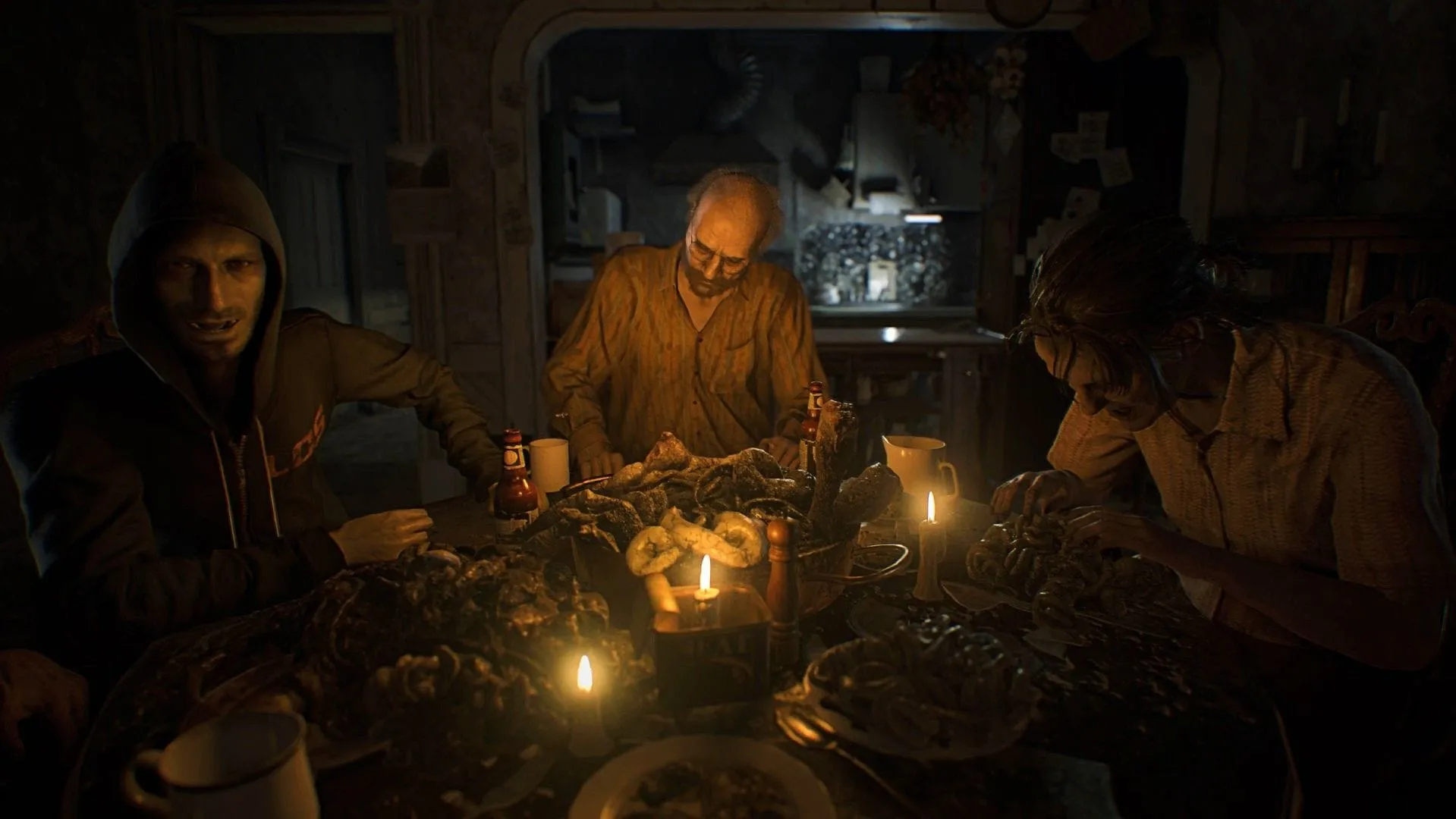
Ten years after its release, Resident Evil 7 remains a flashpoint for discussion, proving that even blockbuster franchises can be subjects of retrospective analysis. For those who remember the development process, however, the narrative surrounding the game’s creation is less about polished results and more about the often-painful reality of creative evolution.
Ex-Capcom producer Miguel Corti points out that the flaws inherent in RE7 were visible during its development, yet they were largely overlooked by the higher-ups. He suggests that much of the game’s trajectory can be traced back to the critical and fan reception of its predecessor, Resident Evil 6.
Corti explains that while Capcom was certainly pleased with the acclaim RE6 garnered, the development team was aiming for a different kind of success. This dynamic meant that many of the rough edges in RE7 were present from the start but were consequently ignored as the project moved forward.
The turning point came with a major reorganization at Capcom, which initiated a mandate to completely redo RE7 from scratch. This restructuring brought in a new development team and director, one that was described as highly hands-on with the process.
This new team, in turn, introduced the first-person perspective, a “bombshell of an idea” that reshaped the game. Corti noted that many of the more outlandish concepts within the Resident Evil universe often emerge organically from those creative teams, rather than being strictly dictated by executive vision.
Despite the massive effort to revitalize the series, the initial reception of RE7 was mixed. It initially underperformed compared to the duo of Resident Evil 5 and 6. Fans were confused, and non-fans were often unsure how to engage with the horror experience.
Yet, what perhaps cemented the game’s lasting place in the memory of the community was the cultural phenomenon it spawned. It was the subsequent media and the “Village” memes that helped the game achieve a reputation comparable to RE4.
This prolonged period of development, involving constant back-and-forth among creative teams, offers a broader commentary on game design. Corti uses this experience to express his skepticism regarding generative artificial intelligence in gaming, arguing that if the vision had been fully realized from the outset, the game would have been fundamentally different.
Buy on Amazon
Credit