Resident Evil’s snowy smartphone chaos
The hype surrounding the new Resident Evil movie is palpable, but beneath the adrenaline rush of anticipation lies a fascinating creative debate. Filmmaker Zach Cregger has openly addressed the shifts in setting between his cinematic vision and the established lore of the video games, offering a candid look at how he adapted a classic horror franchise for a modern audience.
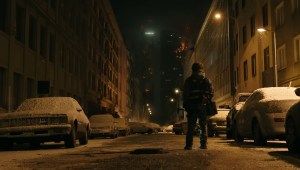
One of the central talking points among fans concerns the visual discrepancy: the original Resident Evil games, particularly Resident Evil 2 and Resident Evil 3, are firmly rooted in the setting of September 1998, chronicling the infamous Raccoon City outbreak. Yet, Cregger’s cinematic take places his characters in the present day, draped in a distinctly wintry and snowy backdrop.
When speaking at San Diego Comic-Con, Cregger made it clear that he was not attempting a simple one-to-one port of the games. Instead, he emphasized that he aimed to tell the story he wanted and design the movie exactly as he envisioned it. This creative freedom allowed him to inject new elements while honoring the core spirit of the Resident Evil universe.
“I am not doing exactly a one-to-one Resident Evil 2 adaptation,” Cregger explained, acknowledging the differences between his film and the games. He further elaborated that the snowy setting was an aesthetic choice, adding that he found it visually compelling for a horror movie. “I look really fking cool to have a horror movie set in the snow.”
This approach aligns with Cregger’s broader strategy over the past few years: following the established rules of the Resident Evil world while carving out an original narrative path. While purists may note that this divergence from strict timeline adherence exists, Cregger argues that capturing the *spirit of the gameplay experience in film is a more powerful endeavor than strictly adhering to existing lore.
The resulting trailer for the new movie showcases the director’s deep affection for the series, weaving in numerous Easter eggs and moments that tonally resonate perfectly with the games. By choosing a contemporary setting and embracing dramatic environmental choices like heavy snow, Cregger successfully redefined the iconic horror experience, proving that sometimes, shifting the timeline isn’t just a change of dates—it’s a way to craft something truly unforgettable.
Buy on Amazon
Credit