Retroid unveils Pocket Duo Lite+ handheld just two weeks after DS clone
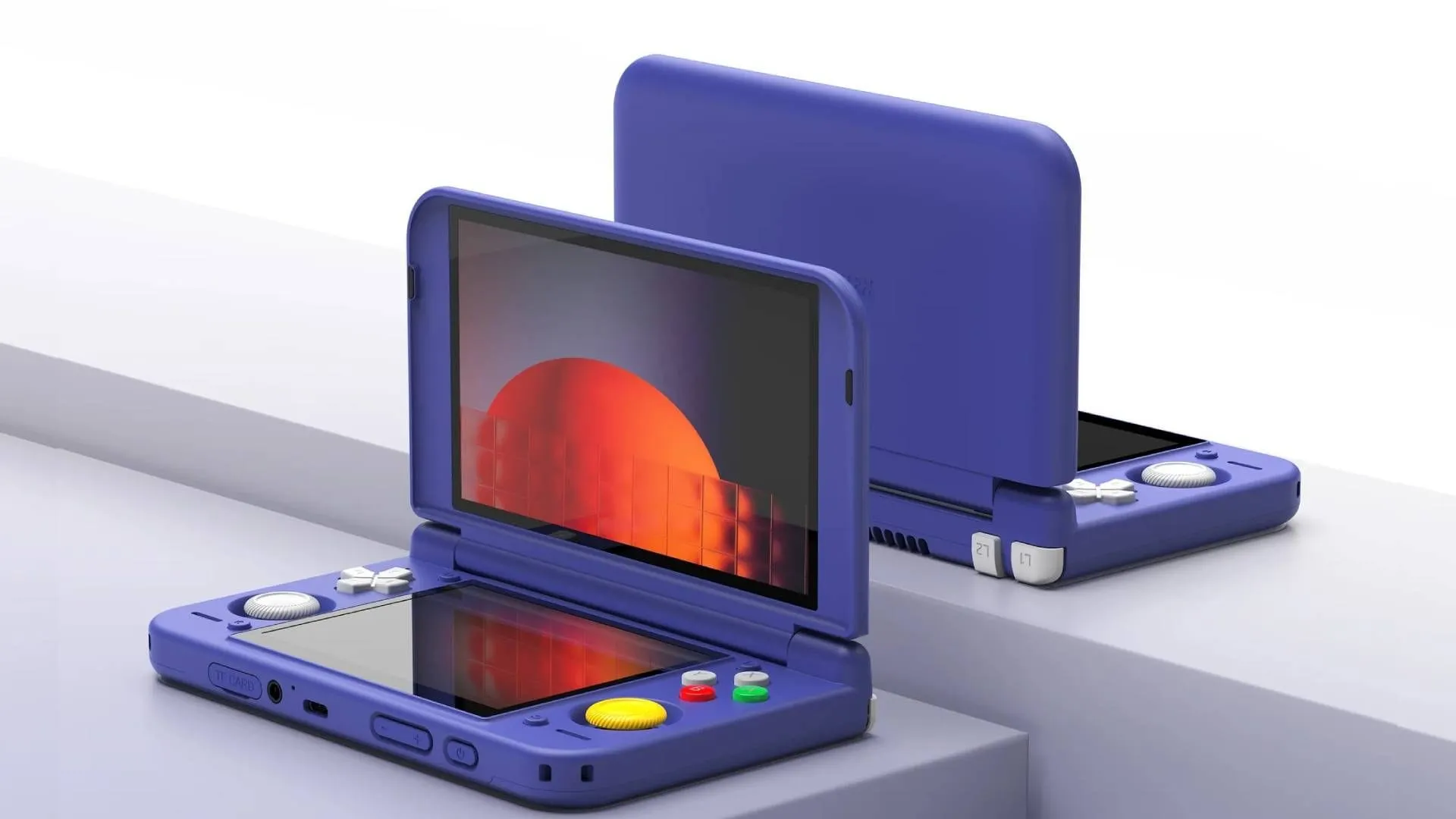
Retroid is carving out a formidable territory in the crowded world of handheld gaming, and they are doing it by essentially refusing to stop releasing new hardware. Just two weeks after unveiling their last two models, the company announced a third iteration, the Pocket Duo Lite+, sending a clear message to competitors: they intend to dominate the DS clone space.
The rollout has caught players off guard, shifting the focus from simply incremental updates to genuine performance upgrades. While rivals were offering options like Anbernic’s RG DS Plus or the Ayn Odin Thor, Retroid seems determined to offer something unique for every segment of the market.
The new Pocket Duo Lite+ positions itself squarely in the middle of the lineup, sitting perfectly between the base Lite model and the full-fat Duo. This middle ground is where the real innovation seems to lie. It isn’t just about adding new models; it’s about packing serious horsepower into a familiar design.
The major draw for this new device is the inclusion of the Dragonwing Q-7790 processor. This significant upgrade is touted as giving the handheld a much better chance of running demanding 3DS ROMs, injecting much-needed performance into the portable experience. The device retains the sleek, slim form factor beloved by users of the Duo Lite, proving that Retroid is willing to balance premium performance with portability.
To make the transition smoother for existing customers, Retroid has introduced a flexible exchange program. Players who pre-ordered the original Duo Lite now have the option to swap their order for the Lite+ version. The company is even covering return shipping costs, giving customers a window to decide if they want to stick with their original purchase or upgrade to the enhanced model.
Despite this thoughtful approach, the timing of these successive reveals has sparked some debate among the community. Some observers have pointed out that the rapid succession of releases, especially after initial pre-orders were secured, raises questions about launch tactics. Players have openly wondered if the goal is to trick the market into buying multiple models before a competitor can even fully assess the landscape.
However, the focus remains on the product itself. Whether the launch strategies are impeccable or merely aggressive, the underlying development of the Pocket Duo Lite+ seems genuinely exciting. It promises a device that successfully balances the nostalgic clamshell appeal with modern, powerful gaming capabilities.
Ultimately, in a market saturated with DS clones and various handheld contenders, Retroid is betting that superior performance and a flexible customer experience will be enough to keep players hooked. It forces the competition to not just chase specs, but to think about the entire lifecycle of a handheld product.
If you are looking to dive into the retro world, there are many options available, from budget-friendly devices like the MagicX Zero 40 to more powerful, dedicated systems. Regardless of your choice, keep an eye on how these market leaders manage their innovation and their customer relationships.
Buy on Amazon
Credit