Return To Dream Land Ushered In Kirby’s Golden Era
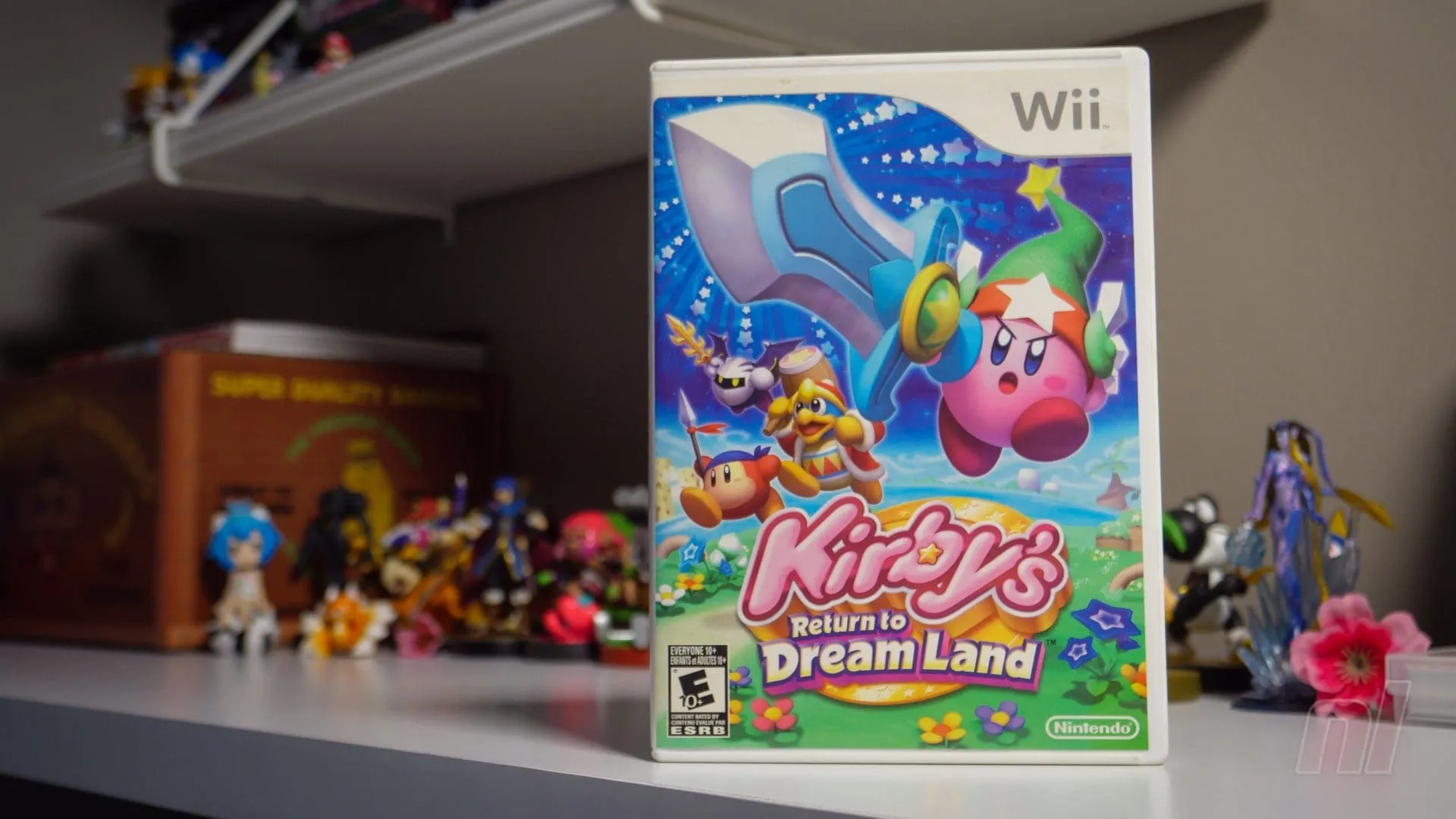
Kirby has cemented its place as one of Nintendo’s most enduring and beloved franchises. While many gaming series endure long stretches of decline or thematic shifts, Kirby has managed to maintain a consistently bright and successful trajectory, largely avoiding the shadow of a dramatic “dark era.”
From the very beginning, the little pink puffball demonstrated an infectious ability to captivate audiences. By the turn of the century, Kirby was already spinning his wheelies, building a reputation that suggested limitless potential for future adventures.
This success naturally led to ambitious plans for new installments. Following the release of Kirby 64: The Crystal Shards in 2000, the developers at HAL Laboratory were immediately tasked with crafting the next grand experience for the character.
The anticipation surrounding the next evolution was palpable. Whispers circulated about a mainline title for the GameCube, one that would bring back beloved mechanics, specifically the helpful systems seen in titles like Kirby Super Star, potentially adapted for four-player cooperative fun.
These concepts, combining Kirby’s charming aesthetic with familiar gameplay mechanics, sparked considerable excitement among fans and in industry circles, appearing in discussions even at major events like E3 2005. Despite the enthusiasm and the promise of a game rich with familiar gameplay, this particular vision for a full-scale, multi-player Kirby title ultimately remained just that—a dream unfulfilled.
Buy on Amazon
Credit