RG DDS lost support from best 3DS emulator
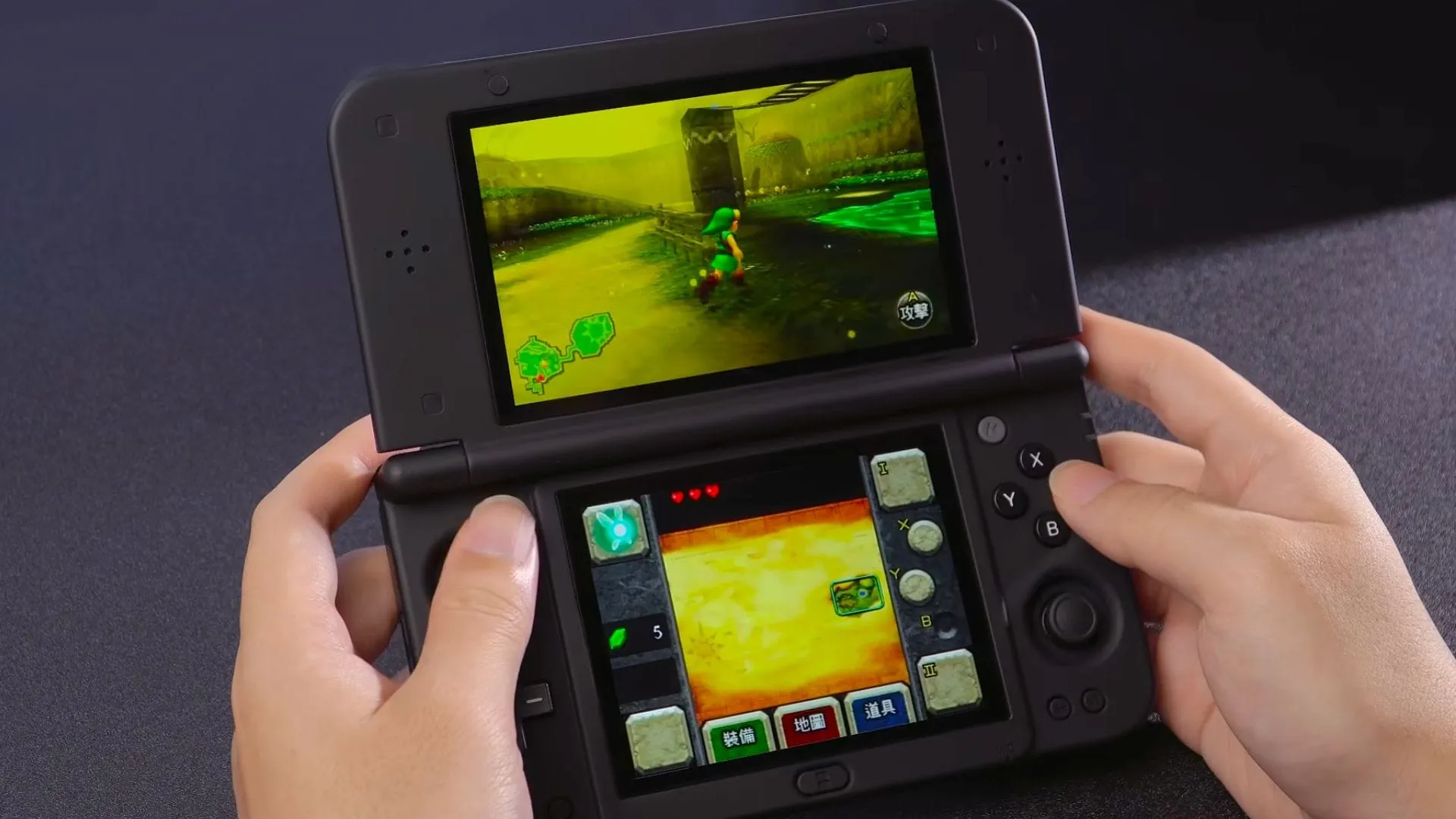
The world of retro handhelds is a thrilling landscape of innovation, but beneath the glossy marketing and cutting-edge hardware, there exists a fascinating and often contentious legal and ethical tightrope walk. At the heart of this tension is a growing dispute between emulator developers and handheld manufacturers, illustrating the complex legal waters of video game piracy and proprietary hardware.
The conflict recently brought to light involves Azahar, the team behind the popular Azahar emulator, and the handheld maker Anbernic. The friction started when Anbernic began promoting their latest device, the RG DDS, by utilizing unofficial, piracy-focused forks of Azahar software in their advertising materials. This move quickly drew the attention of the emulator community, leading to a serious reckoning about the relationship between hardware and software.
Azahar made their position clear, signaling a significant shift in their relationship with the hardware producer. After internal discussion, the team decided they would no longer officially support the RG DDS or any other devices from Anbernic. Any future issues or bugs related to their hardware will not be investigated or resolved.
This decision was more than just a technical refusal; it was a statement about liability. The dispute highlights the difference between selling a physical device and providing the software that allows those devices to function. While the handheld manufacturer is selling hardware, the emulator developers are providing the tools that enable game piracy. This distinction has significant legal weight, especially considering the history of major settlements involving emulator developers and game publishers.
The larger context of this drama is rooted in the legal precedent surrounding video game piracy. While players enjoy playing legally owned backups on various devices, the technical gray area remains complex. The emulator team is now taking an assertive stance, emphasizing that the legal repercussions fall more heavily on the tools used for piracy than on the physical hardware itself.
This situation forces a broader conversation about where the lines should be drawn as handheld technology and emulation continue to evolve. As the retro handheld scene continues to innovate, the emphasis shifts toward finding guaranteed official support and reliable systems, prompting enthusiasts to look toward alternatives in the market.
Ultimately, the story of Anbernic and Azahar serves as a reminder that in the digital realm, the rules are constantly being rewritten. The pursuit of fun and freedom in retro gaming must navigate the complex intersection of technology, commerce, and law to ensure that the next generation of handhelds is built on a foundation of trust and clear boundaries.
Credit