Riot: 2XKO was a risky gamble
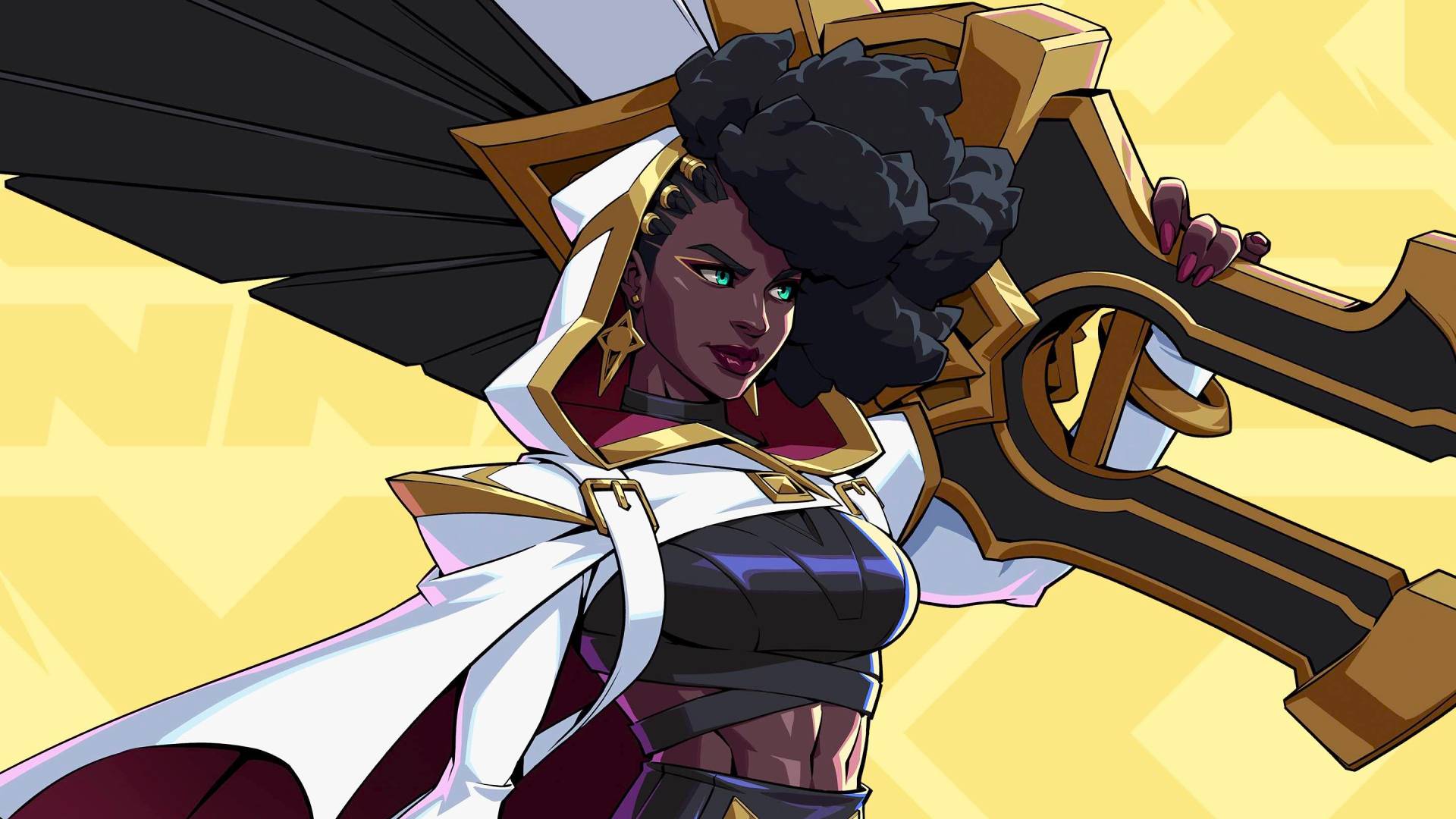
The journey of 2XKO, a high-profile attempt to bridge the gap between high-octane fighting game culture and massive esports infrastructure, ultimately stands as a compelling, albeit melancholy, case study in creative ambition meeting corporate reality.
From the outset, the project carried an immense weight. It was positioned not just as another fighting game title, but as a potential seismic shift in the broader competitive gaming landscape. This ambition was fueled by a distinct aesthetic and a powerful backing that suggested an inevitable collision of genres—the flawless execution of a fighting game merged with the global reach and development might of League of Legends.
2XKO possessed an undeniable style. Its visual presentation and core mechanics demonstrated an impeccable sense of design, hinting at a game that could capture the zeitgeist of competitive play. Furthermore, the synergy with Riot Games offered a tantalizing possibility: pairing a meticulously crafted fighting game with the established organizational strength and deep player engagement of a global esports giant.
The premise was brilliant. The potential for the fusion of these two worlds—the strategic depth of fighting games alongside the established community of MOBAs—was theoretically explosive. Yet, as the project navigated the complex waters of development and corporate alignment, the inherent challenges of the market began to surface.
The reality, however, proved far more intricate. The fighting game market, while expansive, is notoriously difficult to penetrate. It demands a highly specialized audience and navigating established competitive ecosystems that are deeply entrenched and fiercely protective of their identity. This reality presented a significant hurdle for a project attempting to introduce a radically new hybrid into the scene.
Despite the undeniable quality of the product and the promise of the powerful backing, the final integration never felt quite organic. There was a sense that the powerful forces behind the project—the artistic vision and the corporate mandate—did not align perfectly with the specific needs and trajectory of the final product within the existing ecosystem.
It became clear that successful integration requires more than just aesthetic brilliance and financial muscle. It demands a deep, symbiotic fit where the mechanics, the community, and the corporate strategy weave together seamlessly. In the end, 2XKO serves as a poignant reminder that the most ambitious projects often face the steepest climb when trying to fit a uniquely tailored vision into a massive, pre-existing framework.
Buy on Amazon
Credit