Riot ends LoL Classic turns it into an event
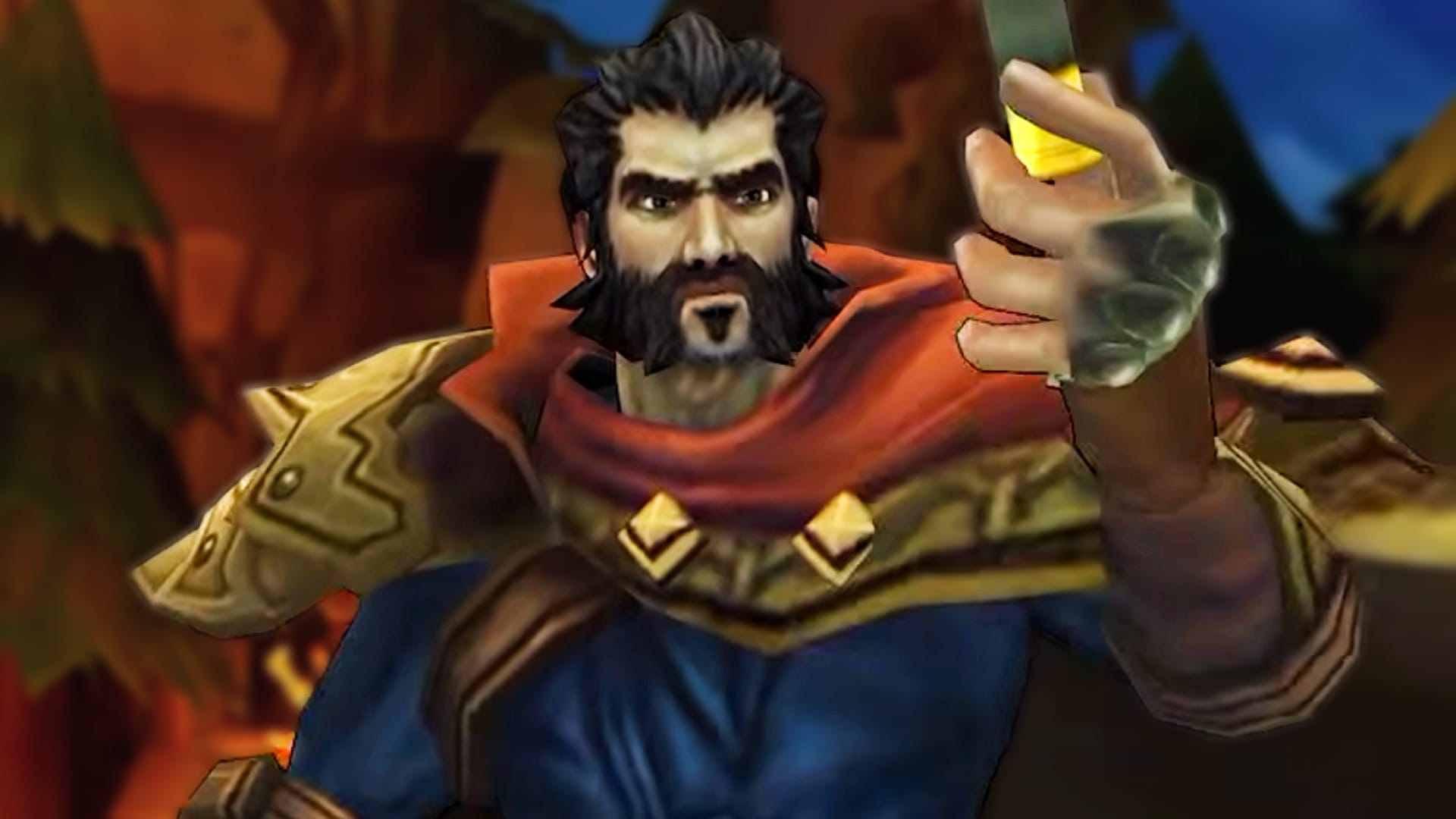
The Nostalgia Trap: Why Riot Gave Up on League of Legends Classic
There is a certain magic in looking back at gaming history, especially when it involves beloved classics. Lately, that magic has been chasing the ghost of League of Legends Classic, a throwback version of the MOBA that aimed to pull players back into the golden age of competitive gaming. But in a surprising twist, that nostalgic journey has come to an abrupt end.
Less than three months after its launch, Riot Games made the difficult decision to close the chapter on League of Legends Classic. This move wasn’t just a simple shutdown; it was the end of an ambitious attempt to rewind the clock and offer players a dose of pure nostalgia.
The initial vision for the game was pure, unadulterated longing. It was designed to put on rose-tinted glasses, inviting players to tickle the memories of those early years of MOBA competition. The goal was to capture that feeling of pure, unadulterated throwback fun.
However, turning a historical concept into a viable, engaging game is an art form, and this endeavor faced significant hurdles. From the very early stages of development, the team wrestled with the delicate balance between honoring the past and creating a modern, functional experience.
It quickly became apparent that the path to successfully resurrecting a classic game is far more complicated than simply recreating old mechanics. The developers found themselves navigating a tricky territory, struggling to define exactly what the game should be, and what exactly it should achieve.
Ultimately, the process highlighted the complexity of nostalgia itself. While the desire to revisit the past is powerful, translating that feeling into a sustained, high-quality product requires more than just a time machine. The uncertainty surrounding the project’s direction proved to be a significant obstacle.
The story of League of Legends Classic serves as a compelling reminder that balancing the pull of nostalgia with the demands of modern game development is a delicate act. Sometimes, the best choice is to respect the history while recognizing the limits of what can be truly replicated.
Buy on Amazon
Credit
