Riot Games risks everything for The Grail
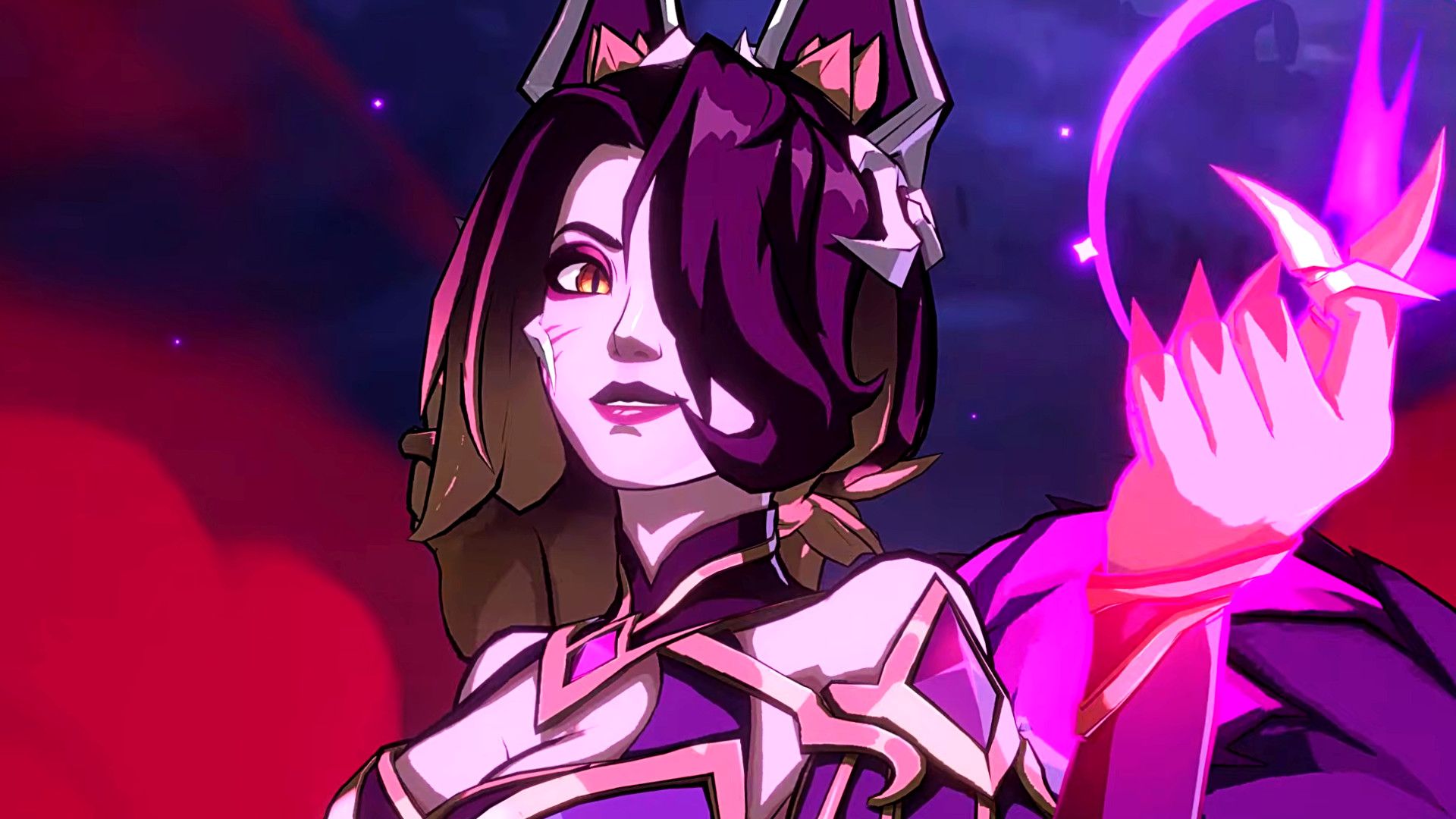
Few genres inspire the same level of dread, complexity, and ambition as the Massive Multiplayer Online role-playing game, or MMO. It is a digital behemoth, a sprawling world of persistent players and impossible expectations, and those who navigate it often find themselves facing the most volatile landscape in gaming.
At the pinnacle of this genre sit titans like World of Warcraft, the expansive fantasy worlds of Final Fantasy 14, the unforgiving depth of Old School RuneScape, the dynamic social economies of Guild Wars 2, and the grand, high-stakes conflicts of EVE Online. These titles represent incredible achievements in design and community building, yet they also exist atop an ever-growing mountain of cancellations, failed launches, and broken promises.
The reality of the MMO industry is a dizzying cycle of hype and disillusionment. The sheer scope and complexity required to maintain these virtual universes often collide with the harsh realities of business management, player retention, and shifting market demands. It’s a high-wire act where the pursuit of a perfect digital world frequently ends in painful, unavoidable compromises.
History is littered with these high-profile setbacks. Even some of the most celebrated titles have faced existential crises, forcing difficult decisions. For instance, Final Fantasy 14 once faced such immense pressure that it was forced to discard parts of its own structure simply to survive the onslaught.
This rollercoaster of development, expectation, and financial strain underscores a powerful truth: creating a truly successful, long-lasting MMO is less about crafting the perfect game and more about managing an impossibly complex ecosystem of people, money, and narrative. The genre remains captivating, but its success often hinges on surviving the chaos of its own ambition.
Credit