Riot Hints at Riftbound TCG Online Release
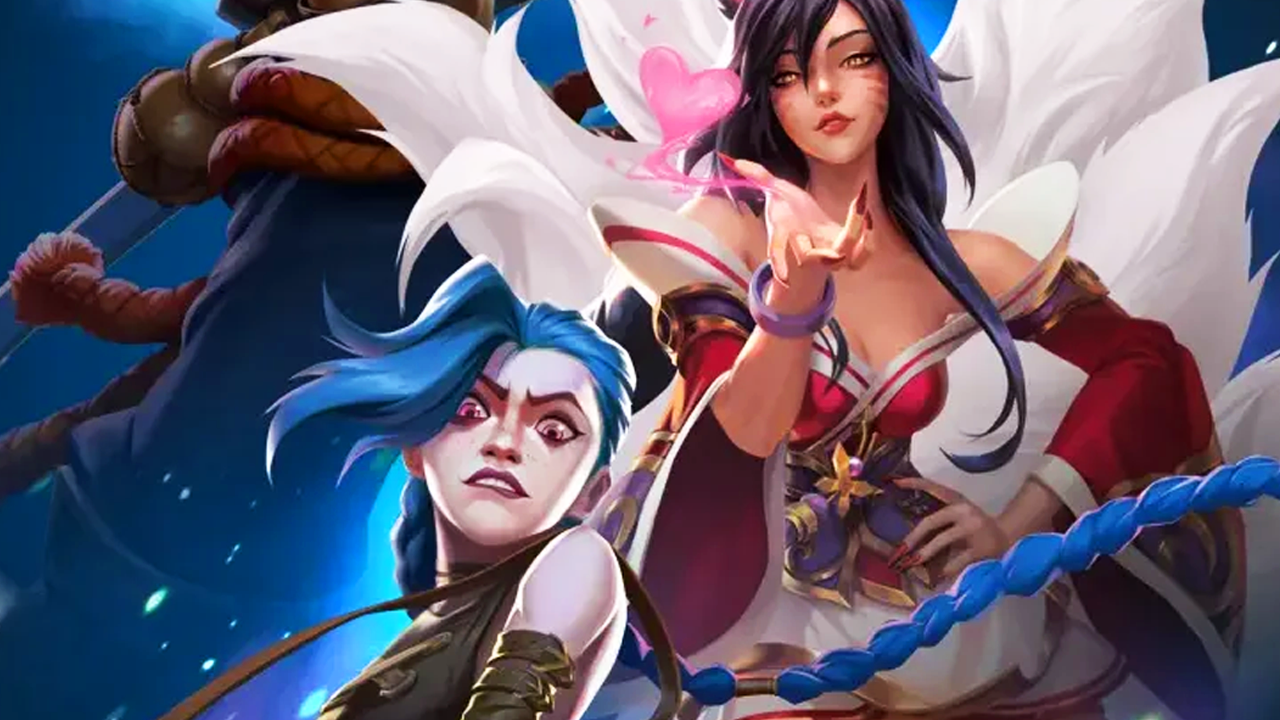
Riot Games’ trading card game, Riftbound, is carving out a fascinating space in the competitive TCG market. By translating dozens of popular League of Legends Champions into a strategic card game, the company has already established a multiplayer format and a compelling wave of strategies that sets it apart from many genre contemporaries, even in its early stages.
As the game continues to grow, the focus is shifting toward accessibility. With cards becoming easier to acquire, players are naturally looking for a way to connect and play with friends globally. This desire for broader engagement is fueling conversations about bringing Riftbound into the digital realm.
The question of going digital is gaining traction. While no official announcements have been made, the internal vision points toward a digital future. Game Director Dave Guskin has expressed enthusiasm about building an experience that extends beyond in-person events, suggesting that digital participation is part of the exciting architecture he aims to create for the community.
This vision is backed by practical moves. Riot has actively sought talent, posting a job listing for a Publishing Product Manager that specifically sought applicants with experience in digital gaming or TCGs, indicating a serious step toward integrating digital infrastructure.
Launching a digital client presents unique challenges, though perhaps not as complex as launching games with decades of card history. Riftbound, played with up to four people, requires strong communication skills, an area where Riot has established experience through its work on League of Legends, Teamfight Tactics, and VALORANT.
Unlike massive card universes such as Magic: The Gathering, which must contend with centuries of established cards, Riftbound has the flexibility to focus on the current card rotation, offering a streamlined experience for players.
This shift brings up an interesting comparison with the game’s predecessor, Legends of Runeterra. Legends of Runeterra was the initial digital experiment for League of Legends cards, launching in 2020 and available across Windows, iOS, and Android. While LoR remains available, updates have slowed, focusing primarily on the Path of Champions roguelike mode.
Despite the mechanical differences, the visual and thematic elements of Legends of Runeterra—including card art and names—have influenced Riftbound. This brings up a potential industry tension: if Riftbound embraces a fully digital TCG format, it could naturally place a spotlight on Legends of Runeterra, which holds a solid reputation, including a Metacritic score of 87.
Buy on Amazon
Credit