Riot’s smart reasons against a League of Legends MMO
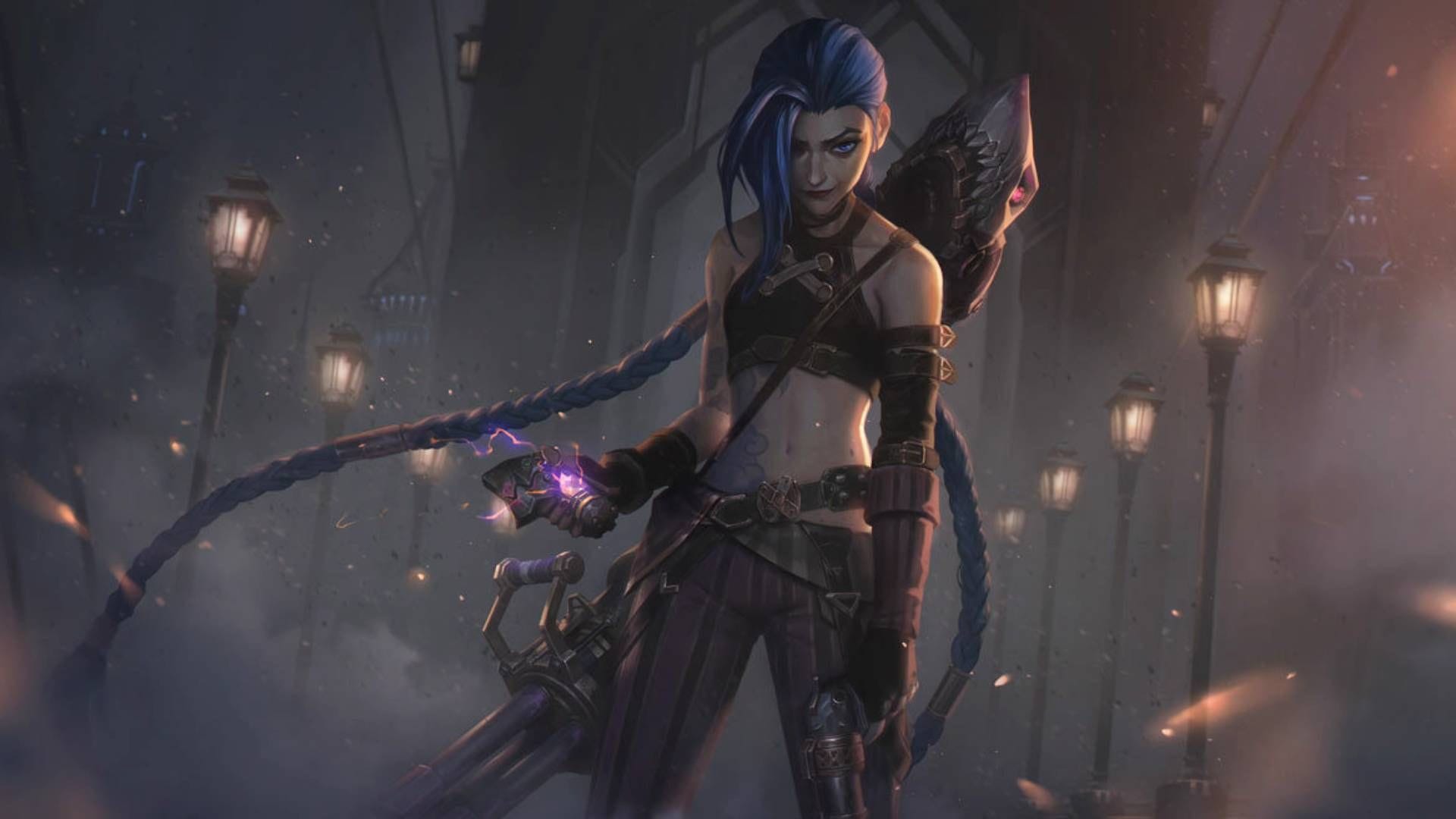
The concept of a Massively Multiplayer Online (MMO) game has long existed in the realm of gaming fantasy. Yet, for Riot Games, the ambition to bring a League of Legends MMO into existence is a monumental undertaking, one that comes with a healthy dose of skepticism. Despite the inherent challenges, studio co-founder Marc Merrill remains firmly confident that this epic vision is achievable.
This optimism is born not just from creative zeal, but from an understanding of the massive foundation Riot has already built. When asked why an MMO would succeed in a market often dominated by older, less time-rich players, Merrill acknowledges the skepticism. He admits there are plenty of smart reasons to doubt the endeavor, especially when titans like World of Warcraft already command so much of the dedicated gaming time.
But Riot’s unique advantage lies in its existing universe. The studio has spent two decades meticulously building the world of Runeterra, pouring its heart and soul into its characters and factions. This effort has cultivated a profound affinity among players worldwide, a dedicated fanbase that loves the world just as much as they love the games themselves. This established fandom is Riot’s greatest asset.
This deep-seated love for the League universe is not just passive; it is an active desire for immersion. The goal of the MMO is to deliver that experience, giving players the opportunity to truly live within the world Riot has crafted—a promise that resonates deeply with the community.
However, turning a successful intellectual property into a massive, living MMO is not a simple equation. The true challenge, Merrill points out, lies in execution. The hurdle isn’t just creating a massive world, but making sure it honors the existing lore and IP without diluting it. Attempting to create a watered-down version for everyone often results in creating something meaningful for nobody.
The complexity of the task is underscored by past experiences. The fate of other ambitious projects within the Riot sphere serves as a stark reminder of the potential pitfalls. For instance, the development of the League of Legends fighting game, 2XKO, faced a dramatic halt in development. After a console launch, the team struggled to find the necessary player retention to ensure sustainability, ultimately leading to the game’s cancellation.
This history introduces a necessary caution. While the potential for the MMO is immense, the journey demands overcoming significant obstacles. It requires solving genuinely hard problems—ensuring fidelity, managing scope, and maintaining quality—problems that demand relentless focus and determination.
Riot has all the necessary resources and the global audience to attempt this ambitious leap. The question now shifts from whether the game can be built, to how the team will navigate the complexities of creating an MMO that doesn’t just succeed commercially, but that truly fulfills the passionate longing of the Runeterra community.
Buy on Amazon
Credit
