Roblox’s future belongs to all of us
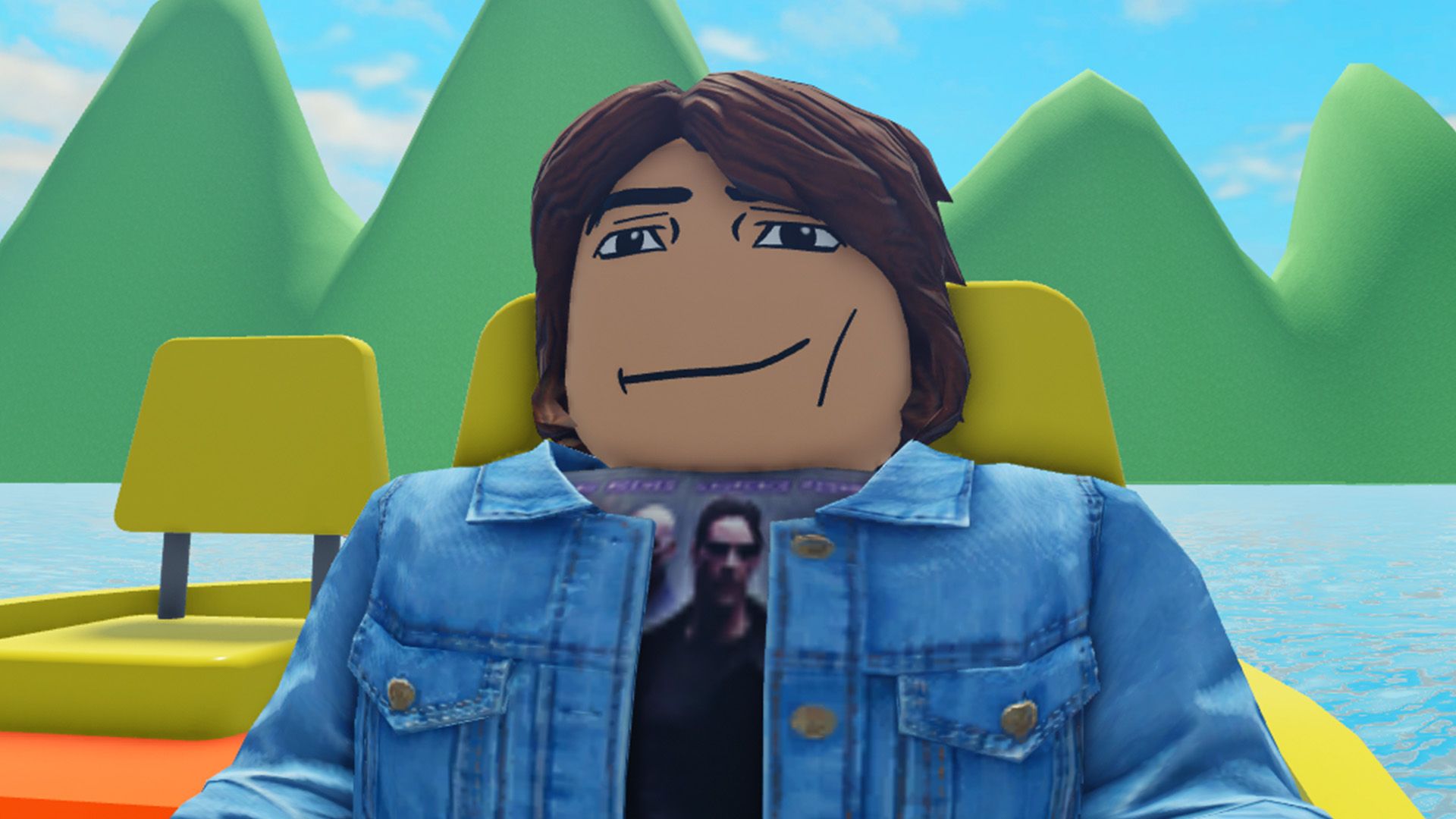
When public perception clashes with the reality of a digital phenomenon, sometimes the most interesting conversation happens between those who built the thing and those who observe it. In the case of Roblox, this tension often revolves around age limits and content classification.
Anthony O’Brien, co-creator of Croydon Bus Simulator, recently addressed the frequent debates surrounding the platform’s audience. He expressed a sentiment that seemed to dismiss the concern that the game is solely aimed at younger players.
When asked directly whether Roblox was restricted only to kids by his fellow co-creator, Toby Johnson, O’Brien offered a philosophical take on the issue. He admitted understanding the public commentary but maintained a more personal view, suggesting that the concern over age appropriateness was somewhat misplaced.
Instead of defending specific content, O’Brien shifted the focus to the nature of digital entertainment itself. He framed the debate around the concept of repetitive online loops, musing that from a distance, much of what people label as chaotic gaming is simply a collection of predictable cycles.
In his assessment, he suggested that the current stream of popular content often boils down to simple, repetitive patterns. These patterns, he observed, are what fuel the vastness of the platform—a dash of digital noise rather than deep, complex narratives.
It’s a reminder that behind the vibrant, ever-evolving world of Roblox lies a complex ecosystem where creator intent meets audience expectation, and where the definition of “kid content” often sparks lively, if sometimes exasperated, discussions among its builders.
Buy on Amazon
Credit