Rockstar approached Netflix for GTA 6 extended look
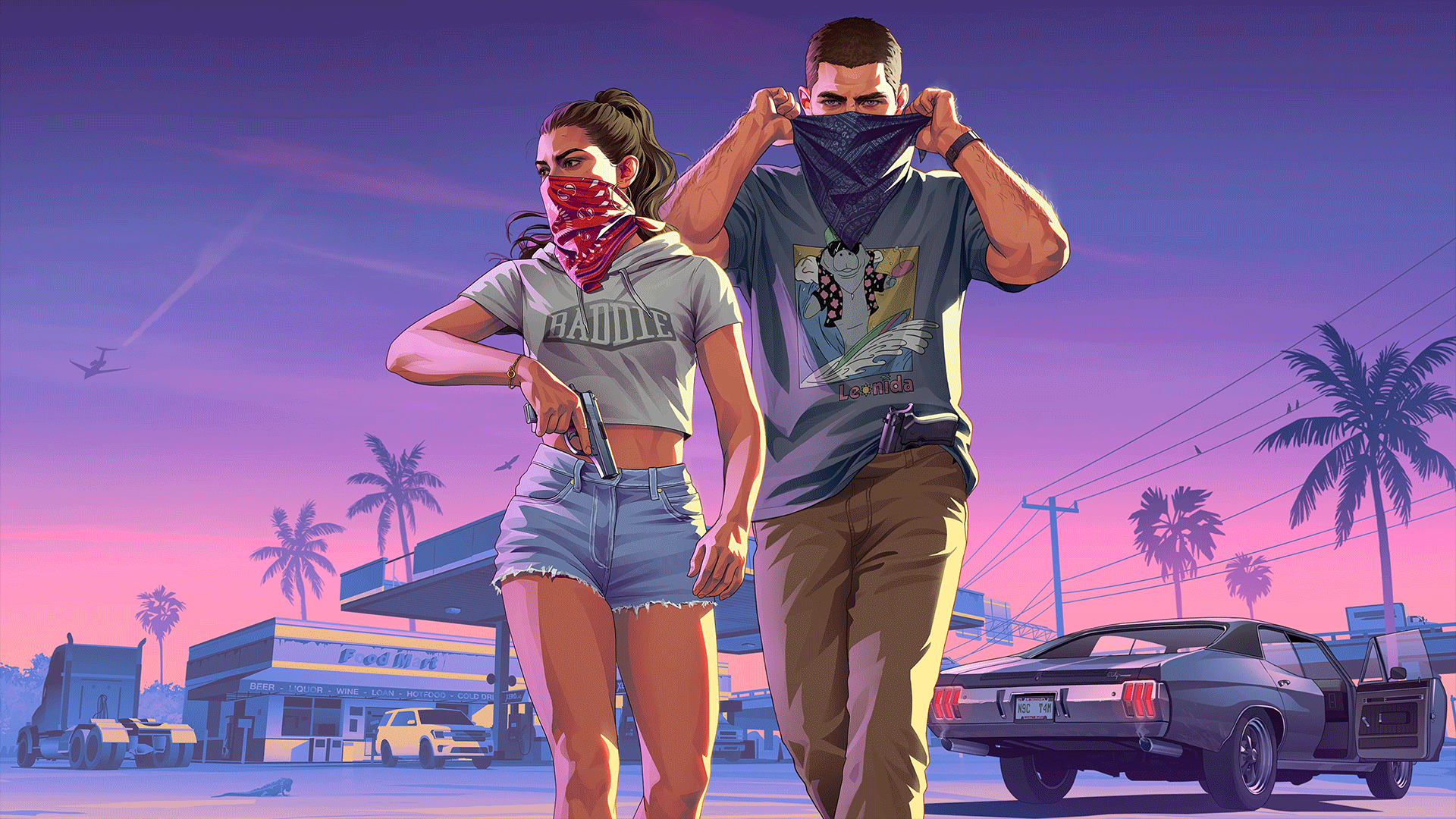
The world was already buzzing with anticipation for the next chapter in crime and chaos, and when Rockstar Games finally unveiled an extended look at Grand Theft Auto 6, the hype machine roared to life. But amid the epic gameplay reveal, a surprising twist was introduced that sparked immediate debate: the extended look was not just a trailer; it was a streaming exclusive on Netflix.
This move immediately threw fans into a frenzy of confusion. After years of waiting, many questioned why Rockstar would gate a massive gameplay preview behind a streaming subscription. Was this a calculated marketing ploy designed to lure viewers to the platform, or simply a baffling decision that annoyed the dedicated community?
The reaction was swift and vocal. One fan on social media summed up the sentiment perfectly, calling the move unbelievably scummy, arguing that tying the extended content to a paywall felt manipulative. For some, the idea that a major gaming debut would be exclusively available on a streaming service felt like a cynical cash grab.
However, as with any colossal creative gamble, there was a counter-narrative. Rockstar addressed the confusion by revealing that the decision was intentional. A representative explained that the choice to stream the extended look on Netflix was not an outside imposition but a deliberate strategy by the developers themselves. They admitted that they simply wanted to go to Netflix.
This response, while perhaps not fully satisfying all critics, offered a glimpse into the high-stakes world of modern gaming marketing. The strategy seemed to pivot from simply releasing content to packaging it in a novel way, turning a game announcement into a viewing experience.
Adding another layer to the discussion was the perspective from the executive side. Strauss Zelnick, CEO of parent company Take-Two Interactive, weighed in, suggesting the strategy was rooted in new experimentation. He contended that framing the extended look as a Netflix experience was an example of Rockstar attempting new marketing avenues for the title.
Zelnick also put forth a fascinating, if slightly provocative, assessment: he believed that if viewers watched the content on Netflix, they would gain a deeper understanding of the game. He posited that seeing the extended look in this context would make people understand the full scope of the experience, implying that watching it through a streaming lens might enhance the appreciation for the creative vision.
The move, therefore, transitioned from being seen as a simple monetization tactic to a complex piece of experiential marketing. It forced the community to engage with the content not just as a trailer, but as a curated broadcast, raising the stakes for how games are presented in the streaming era.
Ultimately, while the specifics of Rockstar’s long-term plans remain under wraps, the immediate impact of the Netflix partnership was undeniable. It shifted the conversation beyond mere gameplay details and focused it on the intersection of entertainment, exclusivity, and the evolving relationship between developers and their audience. The extended look certainly achieved its goal of generating massive buzz, proving that sometimes, the most bewildering moves are the ones that capture the public imagination.
Buy on Amazon
Credit