Rockstar founder demands companies provide physical game releases
The gaming world is currently wrestling with a massive philosophical debate: what is the role of physical media in an increasingly digital landscape? As major console manufacturers pivot away from discs, the conversation shifts from mere preference to a broader discussion about ownership, experience, and development.
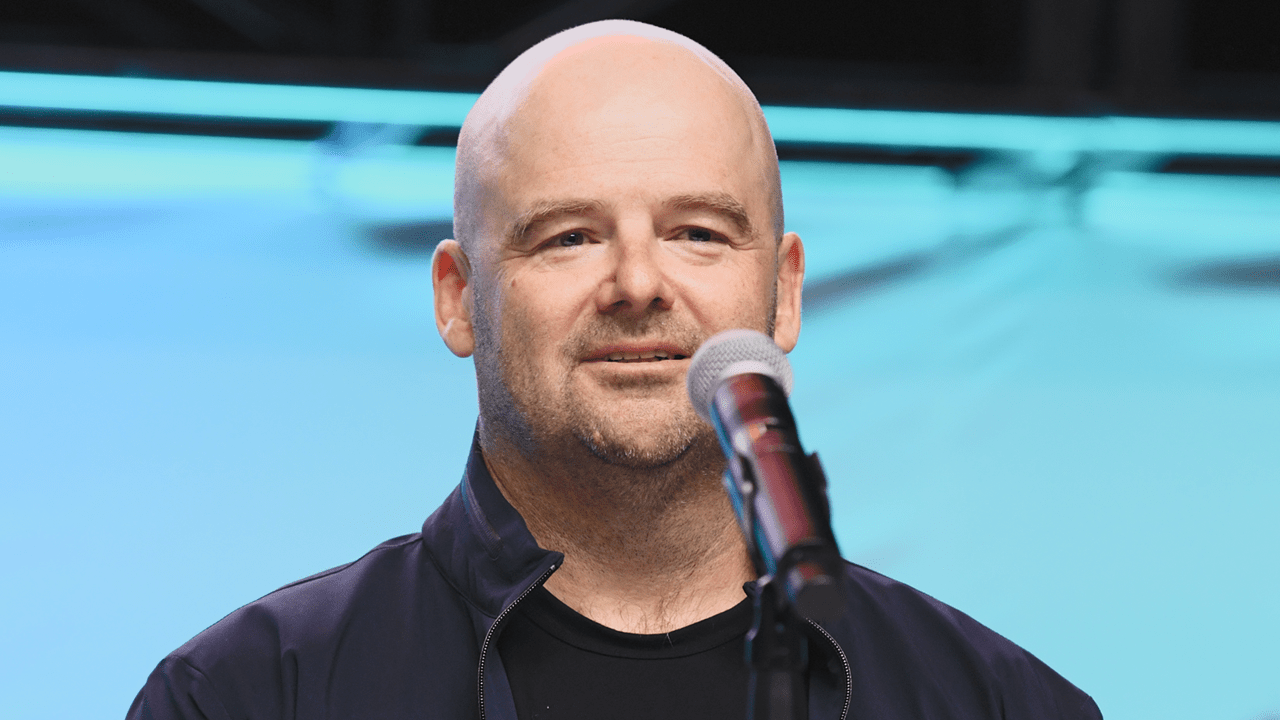
This question has been brought into sharp focus by industry heavyweights, including Rockstar Games co-founder Dan Houser, who recently shared his thoughts on the future of game distribution during a recent industry event. While some players prioritize the tangible experience of owning a disc, others see the benefits in the streamlined convenience of digital updates and cross-platform accessibility.
When asked about physical media, Houser offered a surprisingly pragmatic stance. He suggested that if players desire physical copies, the responsibility should fall on the companies themselves. “I don’t know that I care,” he admitted, emphasizing his personal indifference to the medium, but he posited that providers should supply it if demand exists.
Beyond mere ownership, Houser touched upon a crucial functional point: game quality. He acknowledged that while digital releases face scrutiny, the ability to implement necessary updates and fix problems across games has undeniably enhanced the overall quality of the gaming experience. For many developers, this iterative process is invaluable.
The shift in approach is palpable across the industry. PlayStation has taken a definitive step by announcing that it will cease production of physical game discs starting in January 2028. This move signals a clear trajectory toward fully digital ecosystems. Meanwhile, massive franchises like Grand Theft Auto are also aligning with this trend, confirming that future titles, such as GTA 6, will arrive as code-in-a-box, entirely digital.
The perspective of developers and long-time industry veterans adds another layer to the discussion. Lazlow Jones, who has navigated both physical and digital development, highlighted the distinct appeal of tangible media. He appreciated the sense of collecting a physical product, noting that creating something physical—like a comic book or a high-quality release—is a uniquely fulfilling creative process.
This tension between tradition and progress is not unique to Rockstar Games. Other titans of the gaming world have weighed in on the digital future, with creators like Yoko Taro, Hideo Kojima, and even Ubisoft executive Yves Guillemot offering commentary on the changing landscape of game distribution.
Ultimately, whether physical media survives as a core format depends on balancing nostalgic desire against modern utility. While convenience and the ability to iterate are clearly winning ground in the digital era, the allure of a tangible artifact remains a powerful force that developers and players will continue to explore.
Buy on Amazon
Credit