Rockstar wipes cut game content after Hot Coffee debacle ex-dev says
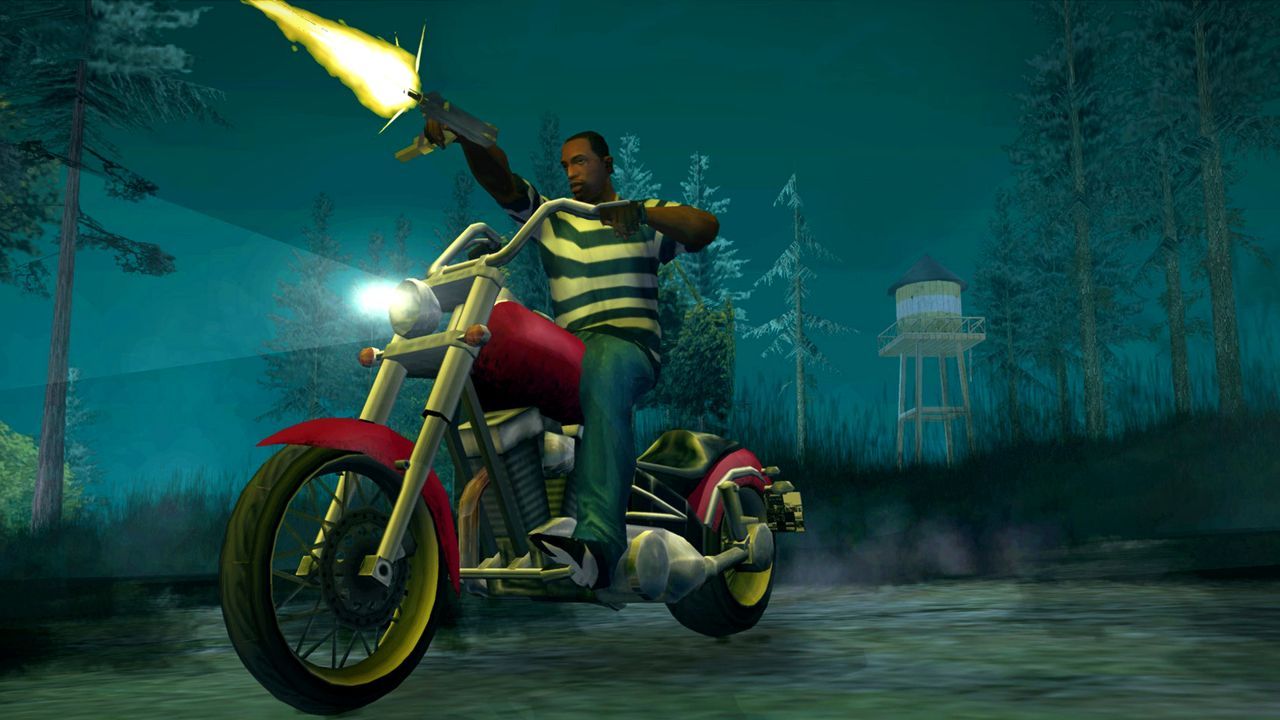
The history of video game development is often a messy tapestry woven with scrapped ideas, hidden code, and unexpected legal battles. For Rockstar Games, this story took an intensely public turn in the mid-2000s, centering on the infamous Hot Coffee minigame within Grand Theft Auto: San Andreas.
More than two decades ago, the open-world behemoth found itself embroiled in a scorching scandal. The controversy arose when developers had explored the concept of a sexually explicit minigame for the game, but ultimately decided to pull the idea before launch to avoid facing restrictive Adults Only ratings that would have severely limited the game’s availability in major US retailers.
However, the attempt to completely erase the content proved futile. Instead of simply deleting the materials from the game files, the developers made the hidden content inaccessible to players. This choice, intended to manage a public relations nightmare, inadvertently set the stage for something far more complex.
The modding community quickly discovered this oversight, finding the hidden code and enabling the so-called Hot Coffee minigame. The resulting legal backlash against Rockstar was swift and loud, demonstrating how easily content can slip through the cracks of massive software releases.
Faced with this intense scrutiny, the studio was forced to reissue a version of the game that was completely devoid of the controversial material. This experience served as a stark lesson about the dangers of keeping sensitive data embedded within game files.
Speaking about the aftermath, former Rockstar Games lead producer John Ricchio reflected on how the scandal fundamentally changed the studio’s approach to handling content moving forward. He emphasized that having such volatile, unintended content present on the disc was simply too dangerous.
Ricchio stated that following the incident, Rockstar implemented a huge effort to scrub anything that was not intended for public release from the game files. The goal is now to ensure that any accidental or hidden content does not inadvertently ship with the final product.
While caution is paramount, Ricchio noted that reusing scrapped ideas across games is not a common practice for Rockstar Games. He pointed out that while exceptions existed—such as including some levels from unannounced projects in GTA 4—the technological shifts between titles make transferring old code much less straightforward today.
Ultimately, the story of GTA: San Andreas and its infamous minigame serves as a powerful reminder that behind every game lies a complex history of creation and consequence. It underscores the ongoing journey of the industry as it navigates the delicate balance between creative freedom, public image, and corporate responsibility.
Buy on Amazon
Credit