
Rockstar’s fight for GTA hype: From GTA 3 to GTA 6 anticipation
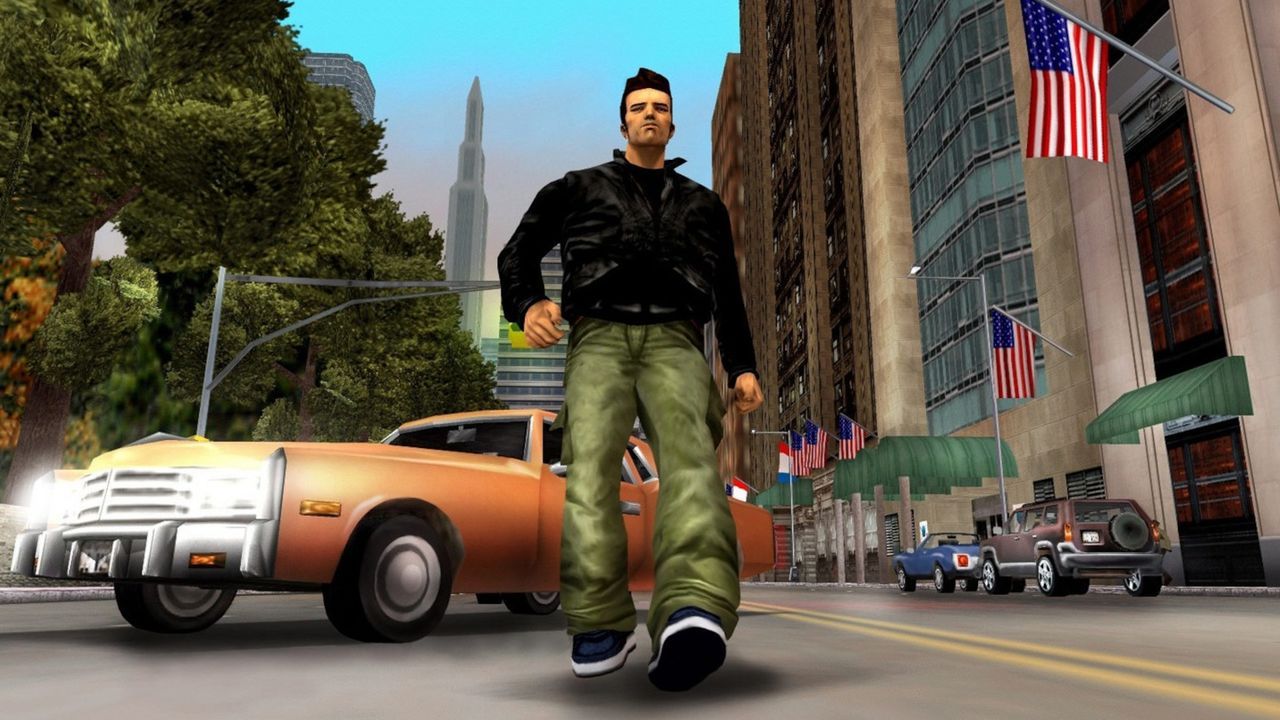
While it may seem wild in retrospect, the trajectory of the Grand Theft Auto franchise is a masterclass in unexpected success. Many speculate that when the third installment arrived, it was far from the massive phenomenon it eventually became. Yet, the legacy of Grand Theft Auto III remains one of the most seismic events in gaming history, fundamentally redefining what an open-world experience could be.
The story of the game’s rise is rooted in the atmosphere of 2001. Rockstar Games, then operating under the DMA Design banner, was deep in the trenches, fixing the technical bugs of a groundbreaking 3D series. As former developer Obbe Vermeij recalls, the success of GTA 3 was far from guaranteed. It was hard to envision that this specific title would not only redefine the crime genre but also catapult the entire franchise into superstardom.
At the time, expectations were tempered by previous releases. The preceding game, GTA 2, had already faced some disappointment in terms of sales. Furthermore, when Rockstar presented their work at industry events like E3 2001, the attention often swung toward other compelling projects, leaving GTA 3 to fight for recognition. Some attendees, faced with the game’s content, found the level of violence startling, leading some to question the direction of the series.
Despite this initial skepticism, the critical response to GTA 3 was undeniably explosive. When previews circulated, critics were simultaneously shocked and enthralled by the game’s sheer audacity. One review noted the humor embedded in the chaos, describing the violence as “absolutely hilarious,” while another deemed it a “genuine knockout in every category.” This mix of controversy and entertainment cemented the game’s place in the public consciousness.
GTA 3 proved that an ambitious, flawed vision could resonate powerfully with a massive audience. It didn’t just succeed as a game; it set a new standard for game design, establishing the blueprint for the expansive, complex, and immersive open-world games we recognize today. The trajectory from that uncertain start to becoming an industry behemoth speaks volumes about the power of bold creativity.
Buy on Amazon
Credit